The Peruvian business landscape is currently engaged in a critical dialogue regarding the structural efficiency of the national calendar. A recent proposal put forth by Minister of Economy and Finance Elmer Cuba, which advocates for the systematic relocation of midweek public holidays to the following Monday, has ignited a robust debate among policymakers, labor advocates, and private sector leaders.
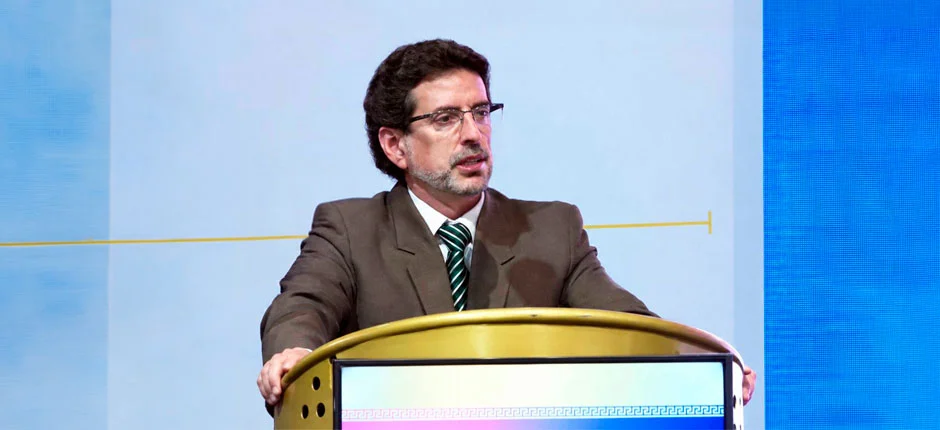
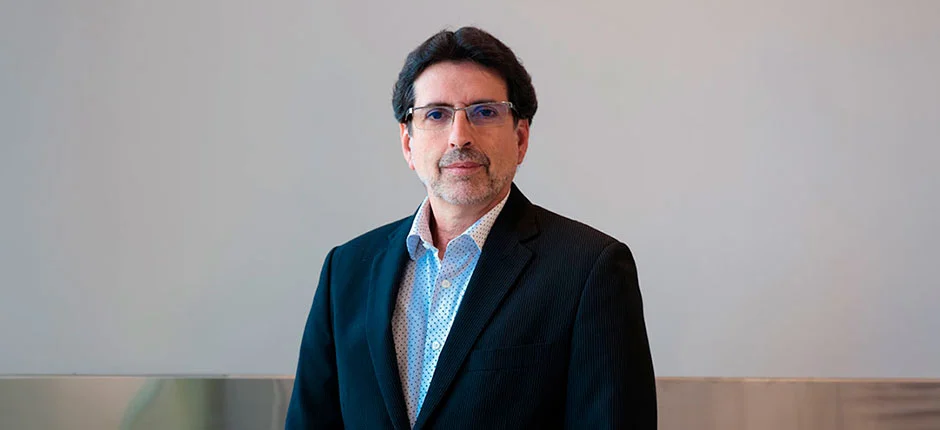
At the center of this discourse is the Confederation of Private Business Institutions (CONFIEP), the nation’s largest business umbrella organization. Its president, Jorge Zapata Ríos, has emerged as a vocal proponent of the initiative, arguing that such a move represents a pragmatic step toward reconciling the nation’s economic productivity with its burgeoning tourism and service sectors.
The Proposal: A Strategic Reconfiguration of Time
The core of Minister Cuba’s proposal lies in the concept of "long weekends." By shifting holidays that fall on Tuesdays, Wednesdays, or Thursdays to the nearest Monday, the government aims to create three-day breaks. From an economic standpoint, the objective is twofold: to stimulate domestic consumption—specifically within the hospitality, travel, and retail industries—and to mitigate the "midweek disruption" effect that frequently hampers industrial output and administrative continuity.
For many enterprises, a holiday falling on a Wednesday often results in a "bridge" effect, where productivity is lost not only on the day of the holiday but also due to absenteeism or fragmented workflows surrounding it. By anchoring these breaks to the beginning of the week, the government intends to streamline operations, allowing businesses to maintain a more consistent cadence of output during the peak workdays of Tuesday through Friday.
Chronology: The Evolution of the Debate
The discussion surrounding holiday reform is not entirely new, but it has gained significant traction in the current fiscal climate.
- Initial Discussions (Early 2024): The Ministry of Economy and Finance began reviewing productivity metrics, identifying the frequency of midweek holidays as a variable that complicates logistics and supply chain management for both large-scale manufacturing and small-to-medium enterprises (SMEs).
- The Formulation of the Proposal: Minister Elmer Cuba formally introduced the idea, positioning it as a structural reform rather than a mere calendar adjustment. The proposal was framed as part of a broader agenda to address the chronic stagnation in national productivity.
- CONFIEP’s Endorsement: Following the announcement, Jorge Zapata Ríos issued a formal statement on behalf of CONFIEP, aligning the business sector with the Ministry’s vision. This marked a pivotal moment, as the business community signaled that it was willing to accept the trade-off of long weekends in exchange for more predictable operational cycles.
- Current Status: The proposal is currently under legislative review, with various stakeholders—including labor unions and tourism associations—preparing to submit their assessments to the Congressional Committee on Economy.
Supporting Data: The Productivity Imperative
To understand the gravity of this proposal, one must analyze the current state of Peruvian productivity. Economic data consistently indicates that Peru faces a "productivity gap," where the output per worker has remained stagnant despite broader economic growth over the last decade.
The Cost of Fragmentation
When holidays break the workweek, companies—particularly in the manufacturing and service sectors—incur significant costs. Start-up and shut-down procedures for heavy machinery, the rescheduling of logistics, and the management of payroll for overtime hours on holidays add layers of complexity that smaller businesses struggle to absorb.
The Tourism Multiplier Effect
Conversely, the tourism sector acts as a significant economic engine for Peru. Domestic tourism is highly sensitive to the length of a break. A single-day holiday often keeps travelers within their home region; however, a three-day weekend encourages travel to regional hubs such as Cusco, Arequipa, or the northern beaches. Supporting data from the Ministry of Foreign Trade and Tourism (MINCETUR) suggests that extended weekends can increase domestic tourism spending by up to 25% compared to isolated public holidays.
Impact on SMEs
Small and micro-enterprises, which constitute the backbone of the Peruvian economy, are particularly vulnerable to the "productivity drag" of midweek breaks. For a small bakery or a local retail shop, the cost of being closed mid-week is often offset by the lack of customer traffic. By centralizing leisure time, these businesses can better plan their inventory and staffing needs, leading to more sustainable growth patterns.
Official Responses and Stakeholder Perspectives
The reception of the proposal has been largely positive within the corporate sector, though it remains a subject of negotiation regarding labor rights.
CONFIEP’s Stance: Pragmatism over Tradition
Jorge Zapata Ríos has been clear in his advocacy. "Moving holidays to Monday is a positive measure rooted in practical common sense," Zapata Ríos noted in his recent briefing. "It allows us to generate long weekends that favor tourism and commerce, while simultaneously minimizing the impact on the continuity of operations and the overall productivity of our enterprises."
From the perspective of CONFIEP, this is not just about the calendar; it is about signaling to international investors that Peru is committed to structural efficiency. They argue that the measure is a low-cost, high-impact intervention that does not require massive public spending, yet provides immediate relief to the supply chain.
The Government’s Strategy
Minister Elmer Cuba’s approach reflects a broader mandate: to modernize the Peruvian economy. By working alongside the private sector, the Ministry aims to create a "productivity-first" culture. Officials suggest that this reform is merely one pillar of a larger initiative to modernize labor laws and reduce bureaucratic bottlenecks that have historically hindered the nation’s competitiveness.
Labor Perspectives
Labor unions have expressed a cautious interest. While workers generally welcome the prospect of longer, more meaningful leisure time, there is a legitimate concern regarding the potential loss of "holiday premium" pay if the reform is not managed with transparency. Labor leaders have emphasized that any shift in the calendar must ensure that workers’ rights are preserved and that the benefits of the long weekend are distributed equitably across the workforce.
Implications for the Future of the Peruvian Economy
The implications of this proposal extend far beyond the calendar. If implemented successfully, the move could serve as a template for future collaborative efforts between the state and the private sector.
1. Enhancing National Competitiveness
In a globalized economy, Peru competes with other emerging markets for capital and talent. A country that demonstrates the ability to optimize its internal processes is more attractive to foreign direct investment. By modernizing the structure of public holidays, Peru signals a shift toward a more sophisticated, business-friendly environment.
2. A Catalyst for Tourism Reform
The success of this measure will likely lead to further investments in tourism infrastructure. As the government sees the economic benefits of extended weekends, it may be incentivized to increase support for regional travel hubs, improve road connectivity, and provide tax incentives for hospitality businesses that cater to domestic tourists during these newly created long weekends.
3. A Stepping Stone for Broader Reform
CONFIEP has explicitly stated that they view this initiative as part of a wider agenda. "We hope that this initiative is part of a broader agenda of reforms in that direction," stated Zapata Ríos. This suggests that the private sector is using the holiday debate as an entry point to discuss more sensitive topics, such as labor flexibility, tax reform, and the reduction of regulatory hurdles for small businesses.
4. Cultural Adaptation
Perhaps the most significant challenge will be cultural. Peru, like many Latin American nations, has a deep-seated connection to its historical and religious holidays on their original dates. The proposal will require a transition period where the government must effectively communicate the economic benefits to the public, ensuring that the "utility" of the holiday is understood not as a loss of tradition, but as an optimization of national prosperity.
Conclusion
The proposal to reschedule public holidays to Mondays represents a pragmatic alignment between economic necessity and social well-being. By fostering a environment that rewards both industrial productivity and the tourism economy, Minister Elmer Cuba and the private sector leadership are attempting to solve a chronic issue with a simple, effective solution.
As the legislative process unfolds, the success of this measure will depend on the government’s ability to build consensus among labor, business, and civil society. If managed correctly, this reform could provide the Peruvian economy with the necessary momentum to address its productivity challenges, signaling a new era of efficiency and growth. The initiative is, at its heart, a test of whether a modernizing state can work in tandem with a forward-looking private sector to create a more resilient and prosperous future for all Peruvians.