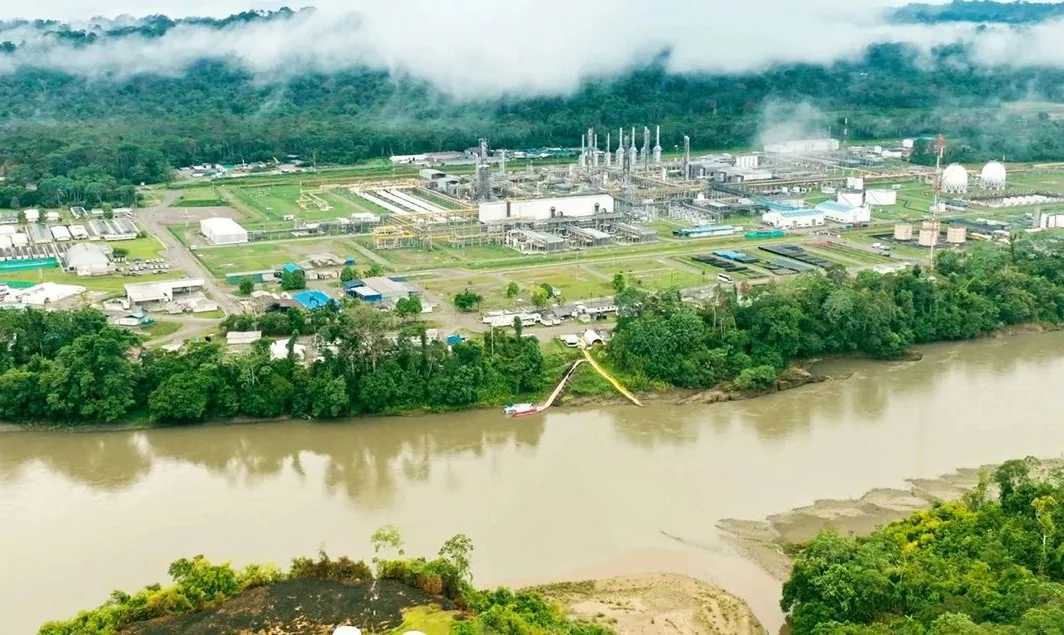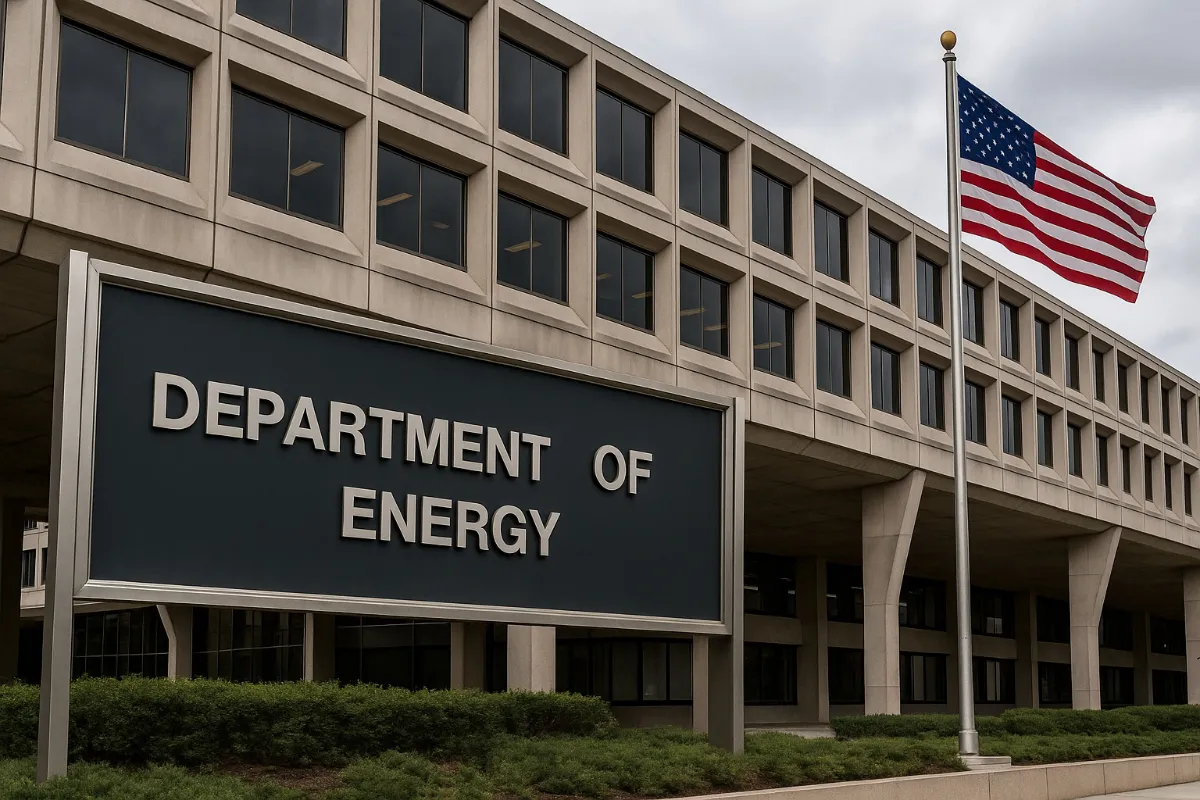
In a calculated move to fortify the domestic supply chain and reduce geopolitical reliance on foreign adversaries, the United States Department of Energy (DOE) has announced a $10 million investment into seven high-impact research and development projects. This initiative, spearheaded by the DOE’s Office of Critical Materials and Energy Innovation, represents a critical pivot toward technological self-sufficiency in an era defined by the global race for the building blocks of the green energy transition.
The initiative is not merely about mining; it is about rewriting the industrial playbook on how the U.S. sources, extracts, and refines essential materials like copper, gallium, and rare earth elements (REEs). As the global demand for electric vehicles (EVs), wind turbines, and high-performance semiconductors skyrockets, the U.S. government is betting that innovation in metallurgy and industrial chemistry will be the ultimate equalizer.
The Strategic Imperative: Why Now?
For decades, the United States has allowed its domestic processing capabilities to atrophy, ceding ground to nations—most notably China—that currently dominate the global supply chains for critical minerals. This dependence is increasingly viewed as a national security vulnerability. Disruptions in supply, whether caused by trade wars, geopolitical instability, or resource nationalism, pose an existential threat to the U.S. clean energy manufacturing sector.
The $10 million allocation is part of a broader, multi-year strategy orchestrated by the Critical Materials Innovation Hub (CMI Hub), which has operated under the DOE umbrella since 2013. The Hub’s mandate is clear: to accelerate the development of disruptive technologies that can unlock untapped domestic resources, thereby shielding American manufacturers from price volatility and supply chain bottlenecks.
The Three Strategic Fronts
The seven projects selected for this round of funding are diverse, yet they coalesce around three critical sectors:
1. Advancing Copper Extraction
Copper is the "metal of electrification." As the backbone of power grids and EV infrastructure, demand is expected to double by 2035. However, as high-grade ore deposits become depleted, the industry is increasingly forced to rely on primary sulfide ores, which are notoriously difficult and energy-intensive to process.

- Colorado School of Mines: This institution is leading the charge by exploring advanced hydro- and bio-hydrometallurgical methods. By utilizing biological agents and specialized chemical processes, the project aims to leach copper from sulfide ores with significantly lower environmental impacts and higher recovery rates.
- University of Arizona: Innovation here focuses on physics-based acceleration. By testing a combination of nanobubbles and advanced surfactants, the team aims to optimize the leaching process, effectively "tricking" the minerals into releasing their copper content faster and more efficiently than current industrial standards allow.
2. Gallium: The Hidden Semiconductor Component
Gallium is essential for high-frequency semiconductors, LEDs, and solar panels. Uniquely, it is rarely found in concentrations high enough to justify a dedicated mine. Instead, it exists as a "hidden" resource within other industrial waste streams.
- The Waste-to-Wealth Strategy: The DOE is funding three distinct projects led by the Indium Corporation, the University of Illinois Urbana-Champaign, and the Oak Ridge National Laboratory. These entities are developing modular technologies to extract gallium from bauxite residue (red mud), zinc refinery waste, and other industrial byproducts. This approach effectively turns environmental liabilities into strategic assets, bypassing the need for new, disruptive mining projects.
3. Rare Earth Elements (REEs)
Rare earth elements are the "vitamins" of the modern tech economy. From the permanent magnets in EV motors to defense technologies, they are indispensable.
- Case Western Reserve University: This team is pioneering a molten-salt electrolysis process. By replacing traditional, chemical-heavy refining methods with electricity, they aim to produce heavy rare earth metals with a smaller carbon footprint and greater purity.
- FAST Metals: Their research focuses on circularity, specifically the recovery of both gallium and mixed rare earth oxides from complex industrial residues, further closing the loop on domestic material production.
A Chronology of Innovation and Policy
- 2013: The DOE establishes the Critical Materials Innovation Hub (CMI Hub) to address vulnerabilities in the rare earth supply chain.
- 2021–2022: Global supply chain shocks, exacerbated by the post-pandemic recovery and rising tensions in the Indo-Pacific, highlight the urgency of domestic material production.
- 2024–2025: The U.S. government ramps up legislative efforts, including the Inflation Reduction Act (IRA), which provides massive incentives for domestic clean energy manufacturing.
- August 2026: The DOE announces the $10 million infusion for seven R&D projects, signaling a shift toward early-stage technology development to solve long-term bottlenecks.
Official Perspectives: The Path Forward
Audrey Robertson, the Assistant Secretary for Energy, has been vocal about the strategic necessity of these investments. "We are not just funding science projects; we are funding the sovereignty of our energy future," Robertson stated during the announcement. "By unlocking new production methods, we ensure that American manufacturers are not at the mercy of global supply shocks. We are building a competitive advantage that starts in the laboratory and ends on the factory floor."
The CMI Hub’s role is crucial here. Acting as the technical conduit, they provide the expertise and infrastructure needed to transition these technologies from bench-top experiments to pilot-scale industrial applications. This bridge—the "valley of death" in innovation—is where most critical minerals projects fail, and the DOE’s support is designed specifically to shepherd these technologies through that precarious phase.
Implications: The Road to Sovereignty
While $10 million may seem like a modest sum in the context of the multi-billion-dollar mining industry, the implications are profound. This investment signals a fundamental shift in how the U.S. approaches resource security.
Economic Implications
By refining the extraction of copper and gallium from waste, the U.S. is essentially creating new, low-cost domestic supply sources. This lowers input costs for manufacturers and increases the global competitiveness of American-made green technologies.
Environmental Implications
The reliance on bio-hydrometallurgy and circular recovery methods signifies a move toward "Green Mining." As the U.S. tightens its environmental regulations, developing processes that can extract minerals without the massive tailings and chemical pollution associated with traditional mining is a competitive advantage in itself.
Geopolitical Implications
The most significant impact, however, is geopolitical. By creating a template for domestic mineral extraction and refining, the U.S. is signaling to its allies and competitors that it intends to be a player in the global mineral market, not a bystander. While it will take years for these technologies to reach full-scale industrial adoption, the message is clear: the era of unchecked dependence on foreign supply chains is nearing an end.
Conclusion: Caution Amidst Progress
It is important to note that this funding is not a blank check. As the DOE has clarified, these awards are subject to rigorous negotiations. Each project team must meet strict technical and financial milestones before the capital is fully released. The DOE retains the right to modify or cancel projects that fail to demonstrate clear progress toward their stated goals.
This caution reflects the reality of the energy transition: it is a high-stakes, high-cost, and high-risk endeavor. However, in the contest for the materials that will define the 21st century, the DOE’s $10 million investment is a calculated, necessary, and strategic step. Whether these projects lead to the next breakthrough in metallurgy or provide the data needed to pivot to more viable alternatives, they are essential components of a robust, secure, and sustainable American energy future.