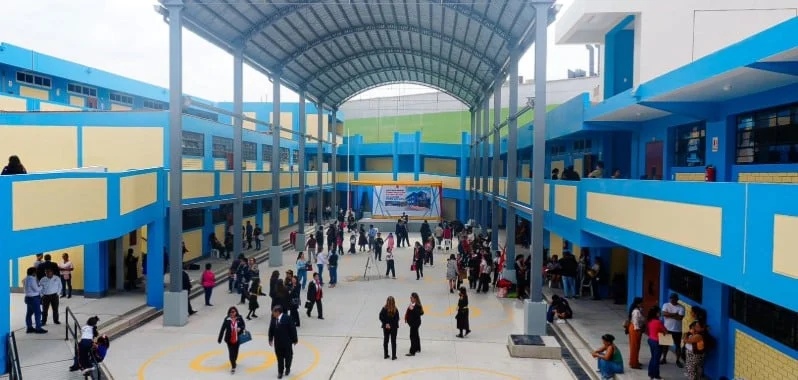
In a significant move to bolster public higher education in Peru’s most populous district, the Superintendencia Nacional de Bienes Estatales (SBN)—an agency under the Ministry of Housing, Construction, and Sanitation (MVCS)—has officially transferred a 3,000-square-meter plot of land to the Universidad Nacional Tecnológica de San Juan de Lurigancho (UNTSJL). This strategic land grant is designed to catalyze the development of a state-of-the-art campus, aimed at expanding academic, administrative, and complementary services for thousands of students.
Main Facts: A Strategic Investment in Education
The transfer, formalized under Resolution No. 1513-2026/SBN-DGPE-SDDI and governed by Legislative Decree No. 1192, marks a pivotal moment for the UNTSJL. The university, which serves a diverse demographic of students in the San Juan de Lurigancho (SJL) area, has long been constrained by limited physical infrastructure.
The acquisition of this 3,000-square-meter site provides the necessary space to implement the project titled "Implementation of an Institutional Site for Academic, Complementary, and Administrative Services." By transitioning state-owned land into educational infrastructure, the government aims to bridge the persistent gap in university access for the youth of this district, ensuring that the institution can meet the growing demand for technical and professional training.
Chronology: The Road to Institutional Expansion
The journey to securing this land involved rigorous inter-agency cooperation. The process began with the identification of underutilized state assets by the SBN, followed by an extensive evaluation conducted by the Sub-Directorate of Real Estate Development (SDDI).

- Initial Assessment (Early 2026): The university identified the need for expanded facilities as a prerequisite for institutional licensing and academic growth.
- Technical Review (Mid-2026): The SBN and the Ministry of Housing conducted a series of feasibility studies to ensure the plot complied with urban development standards and the legal framework for the transfer of public assets.
- Formalization (August 2026): With the approval of the administrative and legal requirements, Resolution No. 1513-2026 was issued, finalizing the transfer at no cost to the university.
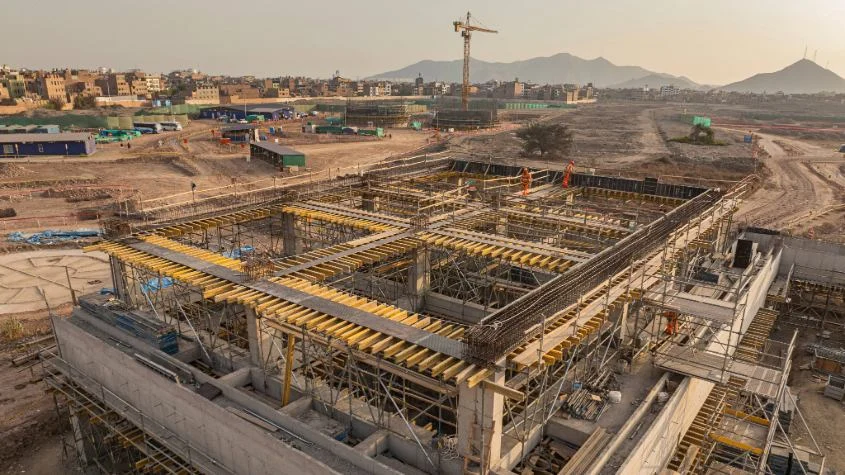
- Future Milestones: With the land now secured, the university is set to move into the design and construction phase, which will involve architectural planning, securing construction permits, and the eventual groundbreaking ceremony expected in the coming months.
Supporting Data: Addressing the Educational Infrastructure Gap
San Juan de Lurigancho is home to over a million residents, yet for decades, it has suffered from a lack of sufficient public higher education institutions. The establishment and growth of the UNTSJL are critical to the district’s socioeconomic development.
- Project Scope: The 3,000-square-meter plot is earmarked for multi-functional use. This includes modern laboratories, administrative offices to streamline student services, and multipurpose halls for academic events.
- Licensing Compliance: The expansion is not merely about physical space; it is a vital component of the university’s roadmap toward achieving and maintaining full institutional licensing. High-quality infrastructure is a core metric evaluated by oversight bodies to ensure that students study in safe, modern, and adequate environments.
- Legislative Framework: The transfer was executed under the authority of Legislative Decree No. 1192, which provides the legal mechanism for the acquisition and transfer of public real estate to facilitate projects of national interest, including education.
Official Responses: Government Commitment to Youth
Minister of Housing, Construction, and Sanitation, Mauricio Arnillas, emphasized the strategic importance of this transfer during the formal announcement. "From the ministry, we work to ensure that state-owned properties are transformed into spaces that generate opportunities. This transfer will allow the Universidad Nacional Tecnológica de San Juan de Lurigancho to provide better conditions for thousands of young people who seek to access quality higher education," stated Arnillas.
The minister’s sentiment reflects a broader governmental policy of leveraging state assets for public welfare. By prioritizing educational infrastructure, the Ministry of Housing is acting as an enabler for the Ministry of Education’s broader objectives, proving that inter-ministerial coordination can produce tangible results for the citizenry.
Implications for the Community and the Future
The implications of this expansion extend far beyond the construction of a new building.

1. Reducing the Educational Gap
For the youth of San Juan de Lurigancho, the existence of a robust local university reduces the financial and logistical burden of commuting to other parts of Lima for higher education. By bringing quality education closer to home, the university lowers the barrier to entry, particularly for low-to-middle-income families.
2. Economic and Social Revitalization
A university campus acts as an anchor institution. Its presence typically stimulates local economies—from housing and transportation to food services and retail—creating a vibrant ecosystem around the campus. Furthermore, as the university grows, it contributes to a more skilled workforce in the district, attracting potential employers and fostering innovation.
3. Strengthening Institutional Capacity
The ability to house new faculties and administrative services allows the university to diversify its academic offerings. This enables the institution to adapt to the changing needs of the labor market, incorporating modern curricula in fields such as engineering, technology, and management, which are essential for the industrial growth of the region.
4. Legal and Administrative Precedent
The seamless execution of this transfer serves as a positive precedent for other public institutions seeking to expand their infrastructure. The rigorous adherence to the SDDI’s evaluation protocols demonstrates that when administrative processes are transparent and legally sound, the state can efficiently dispose of its assets to benefit the public interest.

Conclusion
The transfer of the 3,000-square-meter plot to the Universidad Nacional Tecnológica de San Juan de Lurigancho is a milestone in the district’s academic evolution. By providing the land necessary for expansion, the Superintendencia Nacional de Bienes Estatales and the Ministry of Housing have laid the foundation for a brighter future for the youth of Lima’s most populous district.
As the project moves from the planning stage to construction, the focus will remain on ensuring that the infrastructure meets international standards of safety and sustainability. With this development, the UNTSJL is well-positioned to strengthen its role as a beacon of progress and quality education, fulfilling its mandate to prepare the next generation of Peruvian professionals for the challenges of the 21st century.
The community of San Juan de Lurigancho now looks forward to the next steps: the finalization of building designs and the commencement of construction, marking the physical manifestation of a promise to empower the youth through better, more accessible educational infrastructure.