Trujillo, the vibrant capital of the La Libertad region in northern Peru, stands on the threshold of a transformative era in urban mobility. The city’s ambitious "North-South Corridor" project—a high-capacity bus rapid transit (BRT) system designed to reshape the daily commute for hundreds of thousands of citizens—has entered a decisive phase. As the project shifts from planning to technical finalization, stakeholders are balancing ambitious timelines with the complexities of modern infrastructure development.
According to the latest roadmap coordinated by the Trujillo Provincial Municipality, the Ministry of Transport and Communications (MTC), the Promovilidad program, and the Executing Unit 015, the project is currently undergoing the finalization of its technical dossier. This document serves as the blueprint for the entire system, and its completion is now firmly scheduled for March 2027.
The Core Infrastructure: A Blueprint for Modernization
The Corredor Vial Norte-Sur is not merely a bus line; it is a comprehensive urban redesign. At its heart lies an 11.18-kilometer trunk line, a dedicated transit artery that will serve as the spine of the city’s public transportation network. This trunk route will be supported by a robust system of feeder lines—North and South—designed to integrate outlying neighborhoods with the city center, significantly reducing travel times and improving accessibility.
The scope of work is extensive. It includes the construction of two major terminal hubs (North and South), state-of-the-art stations, specialized maintenance depots, and the integration of advanced technological components, such as automated fare collection, real-time fleet tracking, and intelligent traffic management systems.
Chronology: A Roadmap to 2030
The trajectory of the Trujillo North-South Corridor has been marked by careful planning and periodic recalibrations. Following its formal declaration of viability in 2022, the project underwent a rigorous review process.

- 2022: The project is officially declared viable at the profile level, with an initial budget estimate of approximately S/ 600 million.
- August 2026: During a session of the Management Committee presided over by Promovilidad, a key adenda was signed between the Executing Unit 015 and the consulting firm responsible for the definitive study. This effectively set March 2027 as the deadline for the technical dossier.
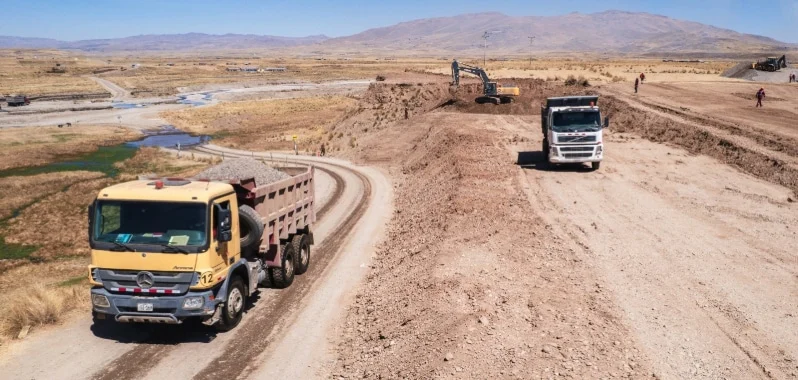
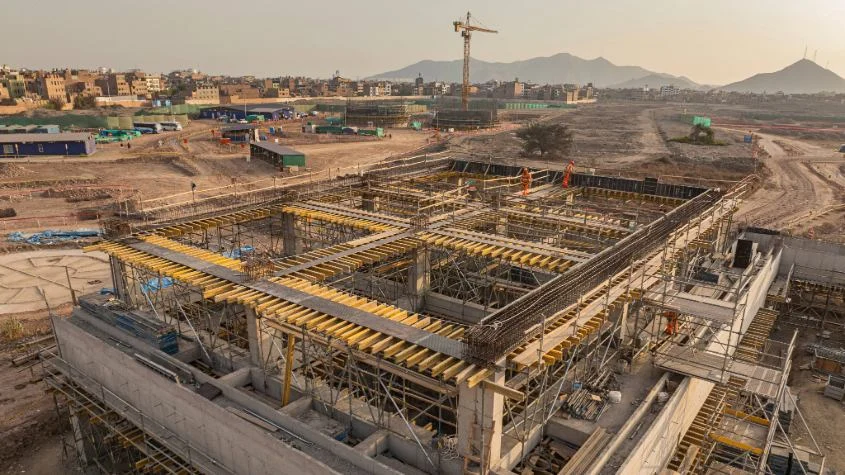
- Late 2027 – 2029: The primary construction phase is scheduled to commence. This period will witness the physical transformation of Trujillo’s urban landscape, including the laying of dedicated bus lanes, the erection of stations, and the build-out of terminal infrastructure.
- Early 2030: The target window for the commencement of full-scale operations, marking the transition from construction to a functioning, integrated transit system.
Financial Architecture and Economic Implications
One of the most complex aspects of the North-South Corridor is its funding structure. Given the project’s magnitude, it relies on a multi-layered financial strategy involving international development banks, state resources, and private sector participation.
Financing Breakdown
The current financial strategy is divided into several tranches:
- International Loans: A loan from the German development bank (KfW) for 55.5 million euros, alongside a commitment of US$ 49 million from the Development Bank of Latin America (CAF).
- State Contribution: A national government counterpart of approximately S/ 70 million.
- Public-Private Partnership (PPP): A crucial component estimated at S/ 150 million, which will likely focus on the procurement of the fleet and the long-term operation of the system.
Víctor Del Carpio, general manager of Transportes Metropolitanos de Trujillo (TMT), has emphasized that these figures remain subject to change. "The cost of the project is not static," Del Carpio noted. "It will be finalized only once the technical dossier is fully completed and approved, allowing us to account for inflation, current market prices for materials, and updated demand studies."
The existence of a "Declaration of Public Necessity and National Interest" provides a strategic safety net. This legal designation empowers the project managers to lobby for additional fiscal support should the final technical dossier reveal a funding gap, ensuring that the project does not stall due to financial volatility.
Fleet Strategy: Moving People, Not Just Buses
The effectiveness of any BRT system depends on the capacity and quality of its rolling stock. Preliminary designs suggest a dual-layer fleet strategy:

- Trunk Line: Approximately 60 articulated buses, each 18 meters in length, designed to handle high passenger volume along the main corridor.
- Feeder Routes: Around 40 buses, each 9 meters in length, tasked with navigating the smaller streets of the city’s residential zones to ferry passengers to the trunk stations.
However, these figures are not yet final. The technical team is currently conducting an updated demand study to ensure that the fleet capacity matches the actual travel patterns of Trujillo’s residents in 2027 and beyond. The shift toward modern, potentially lower-emission vehicles will also be a critical factor in the final procurement specifications, as Trujillo aims to align its urban development with global sustainability standards.
Official Responses and Strategic Coordination
The project’s governance is a testament to the collaborative effort required for large-scale infrastructure in Peru. The involvement of the Ministry of Transport and Communications (MTC) alongside local authorities signals that this is considered a priority project for the nation.
During the August 2026 Management Committee meeting, the consensus was clear: while the timeline has been extended to ensure technical accuracy, the project remains on a "go" trajectory. The integration of the Executing Unit 015 with the consulting firms and Promovilidad is designed to eliminate the bureaucratic bottlenecks that often plague public works.
Promovilidad, the specialized program of the MTC, continues to play a supervisory role, ensuring that the project adheres to international standards of urban transit design. The goal is to avoid the common pitfalls of past projects by ensuring that the "soft" infrastructure—the technology, the fare systems, and the operating model—is as well-planned as the "hard" infrastructure—the concrete and steel.
Broader Implications: Transforming the Urban Fabric
The North-South Corridor is not just about transit; it is about the socio-economic integration of Trujillo. By connecting the northern and southern districts through a high-speed, reliable corridor, the city expects to see:

- Economic Revitalization: Reduced travel times mean that workers can access job centers more efficiently, while the construction phase itself will provide a significant boost to local labor and supply chains.
- Environmental Impact: By consolidating thousands of fragmented, informal transit services into a single, high-capacity system, the city expects a substantial reduction in carbon emissions and traffic congestion in the historic and central districts.
- Urban Equity: The project is designed to provide dignified transport to populations currently underserved by the existing transit network. The station design and accessibility features are intended to make the system inclusive for all citizens, including those with reduced mobility.
Challenges Ahead
Despite the optimism, the road to 2030 is not without challenges. Infrastructure projects of this nature are highly susceptible to economic shifts, land acquisition issues, and the complexities of urban utility relocation. The "finalization of the technical dossier" is a critical gatekeeping event; any significant deviation in the project’s cost or scope discovered during this stage will require complex renegotiations with international lenders and the Peruvian government.
Furthermore, the transition from the current, largely informal transport system to a structured, formal BRT system will require significant social management. The city must communicate effectively with the current transport operators, many of whom may need to be integrated into the new system as partners or service providers to prevent social unrest and ensure a smooth operational handover.
Conclusion: A Vision for the Future
As Trujillo continues to grow as a commercial and cultural hub, its ability to move people efficiently will determine its long-term competitiveness. The North-South Corridor represents the most significant investment in the city’s history. With a clear roadmap, international financial backing, and the firm support of the MTC, the project is moving steadily toward its target.
By the time the ribbon is cut in early 2030, the corridor is expected to be more than just a transit line; it will be the backbone of a modernized, accessible, and sustainable Trujillo. The next 18 months of technical refinement will be the most crucial, as the final details of the plan are locked in, ensuring that the city is ready to step into the future of urban mobility.