The landscape of regional infrastructure in Mexico is undergoing a significant transformation with the imminent completion of the Rizo de Oro Bridge in the state of Chiapas. This colossal project, overseen by the Secretariat of Infrastructure, Communications and Transport (SICT), represents more than just a physical link; it is a strategic maneuver designed to integrate isolated regions, catalyze economic development, and enhance the quality of life for over 300,000 citizens. As the project reaches its final 96.12% completion milestone, the engineering community and local populations are looking toward a late October inauguration that promises to redefine transit across the La Angostura reservoir.
Main Facts: Engineering a 2.1-Kilometer Lifeline
The Rizo de Oro Bridge is a testament to modern structural engineering. Spanning a total length of 2.1 kilometers, the project is divided into two distinct technical sections: a 405-meter primary bridge structure and 1.7 kilometers of approach roads designed to accommodate high-volume vehicular traffic.
The structure is characterized by its sophisticated mixed-arch design, which utilizes a hybrid composition of reinforced concrete and high-strength steel. This configuration is not merely aesthetic; it is an architectural rarity in Mexico, chosen to withstand the specific geological and environmental conditions of the Chiapas region while providing maximum structural longevity. With a total investment of 1,810.8 million pesos, the bridge stands as one of the most ambitious infrastructure investments in the southern region of the country.
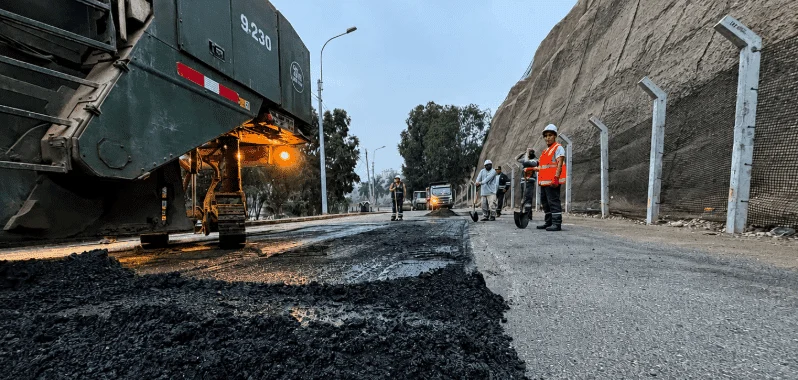
Currently, the construction site is in its final phase. According to official SICT reports, the primary tasks remaining are the final concrete slab casting and the installation of the asphalt surfacing. Recently, engineers successfully completed the removal of the heavy-duty cableway system—which had been the primary method for mounting the massive bridge segments (dovelas)—and have begun the dismantling of the temporary towers that supported the structure during its assembly.

Chronology of Development: From Concept to Completion
The journey of the Rizo de Oro Bridge began in 2023, emerging as a critical response to the logistical bottlenecks that have long plagued the Frailesca and Sierra Mariscal regions. For decades, residents of these areas faced significant delays in transportation, often hindered by the physical barrier of the La Angostura reservoir.
- Early 2023: Project initiation and mobilization of heavy machinery. The site was prepared for what would become a complex maritime and land-based operation.
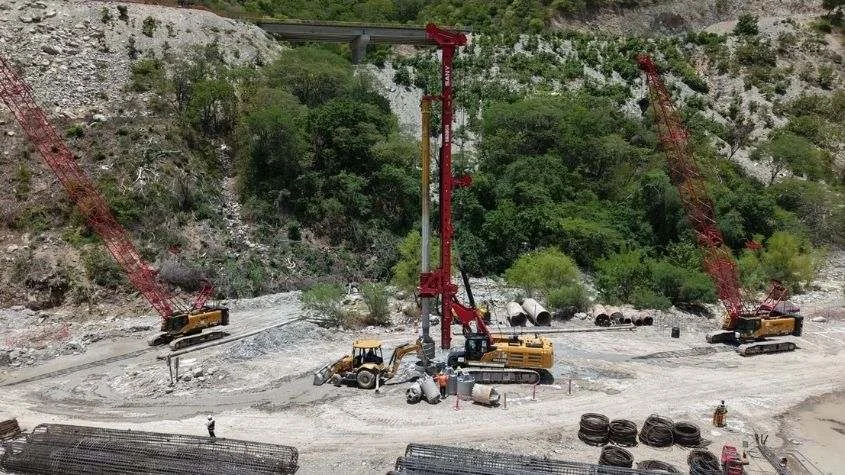
- Late 2023 – Mid 2024: Foundation and pier construction. Given the depth and soil conditions of the reservoir, specialized deep-foundation techniques were employed to ensure the stability of the central arches.
- Late 2024: Assembly of the main span. This phase involved the use of a cable-stayed assembly system to lift and secure the dovelas, a process that required meticulous precision to ensure the structural integrity of the mixed-arch design.
- Q3 2025: Final structural milestones. The bridge achieved 96.12% completion, with the removal of the cableway signaling the transition from "heavy assembly" to "finishing works."
- October 2025 (Projected): Completion of final road surfacing and the expected ribbon-cutting ceremony, marking the transition from an active construction site to a public thoroughfare.
Supporting Data: Economic and Social Impact
Infrastructure projects are frequently measured by their budget and technical complexity, but their true value lies in the socio-economic dividends they pay to the local population. The data surrounding the Rizo de Oro Bridge is compelling:
- Direct Employment: The project has been a significant driver of local employment, generating 5,715 jobs throughout its two-year construction period. These positions ranged from specialized structural engineers and heavy machinery operators to administrative and support staff, injecting capital directly into the local economy.
- Population Coverage: The bridge serves 10 municipalities and 21 communities. These areas, previously separated by inefficient transit routes, are now physically unified.
- Time Efficiency: One of the most quantifiable benefits is the drastic reduction in travel time. The crossing of the La Angostura reservoir, which previously required time-consuming detours or inefficient ferry transport, will be reduced by up to one hour. This improvement is expected to have an immediate impact on the delivery of goods, emergency medical services, and regional trade.
Official Perspectives: The Vision of the SICT
The Secretariat of Infrastructure, Communications and Transport (SICT) has positioned the Rizo de Oro project as a flagship initiative under the current national infrastructure development plan. In official statements, representatives of the Secretariat have emphasized that the bridge is designed not only to facilitate transport but to foster long-term regional cohesion.
The choice of a "mixed-arch" design was a calculated decision by the SICT to balance durability with seismic resilience. Given that Chiapas is one of the most seismically active zones in Mexico, the bridge’s design incorporates advanced seismic dampeners and structural flexibility that would not have been possible with traditional, rigid construction methods.

"This is not just a link across water; it is a bridge to opportunity," a spokesperson noted during a recent briefing. The focus of the federal government remains on completing the final 4% of the work with the same safety protocols that have governed the project since its inception, ensuring that the bridge is ready for the high traffic volume anticipated in the coming months.
Strategic Implications: Redefining Regional Connectivity
The completion of the Rizo de Oro Bridge carries profound implications for the future of Chiapas and Southern Mexico. By bridging the gap between the Frailesca and Sierra Mariscal regions, the project effectively integrates these areas into the broader national supply chain.
Economic Integration
Improved connectivity is a prerequisite for agricultural and industrial growth. Producers in the Sierra Mariscal region will now have a significantly faster route to markets and processing centers in the Frailesca region. This decrease in "logistical friction" is expected to lower transportation costs, which in turn can lead to more competitive pricing for local produce and finished goods.
Emergency Response and Social Mobility
The social implications are equally significant. In cases of medical emergencies, the one-hour time saving provided by the new bridge could prove life-saving. Furthermore, the increased accessibility will likely spur a rise in tourism and service-sector activity in the surrounding communities, as the physical barriers that once discouraged travel are removed.

A Model for Future Infrastructure
The success of the Rizo de Oro Bridge serves as a blueprint for future infrastructure projects in difficult terrains. The coordination required to manage a 2.1-kilometer structure over a reservoir, while simultaneously coordinating with 10 different municipal jurisdictions, demonstrates a high level of inter-agency cooperation. The technical lessons learned—specifically regarding the assembly of large-scale mixed-arch structures—will undoubtedly influence the engineering standards for future projects in similar geographical contexts across Latin America.
Conclusion
As the scaffolding comes down and the final layers of asphalt are laid, the Rizo de Oro Bridge stands ready to fulfill its promise. It is a bridge that connects more than just two points on a map; it connects a future of increased economic potential with the daily realities of over 300,000 citizens. By late October, the passage over the La Angostura reservoir will transform from a daily challenge into a symbol of progress, marking a historic achievement in Mexican civil engineering and a turning point for the development of Chiapas. The project serves as a reminder that robust infrastructure is the bedrock upon which equitable regional development is built.