By Economic Affairs Desk
In a strategic move to insulate the Peruvian economy from the destabilizing effects of international fuel volatility, the government has enacted an emergency fiscal package. Through the issuance of Emergency Decree No. 007-2026, the administration has authorized the transfer of S/105 million from the Ministry of Economy and Finance’s (MEF) contingency reserve. This intervention is designed to stabilize public transport fares and freight logistics, effectively creating a buffer against the “cost-push” inflation currently threatening the nation’s household purchasing power.
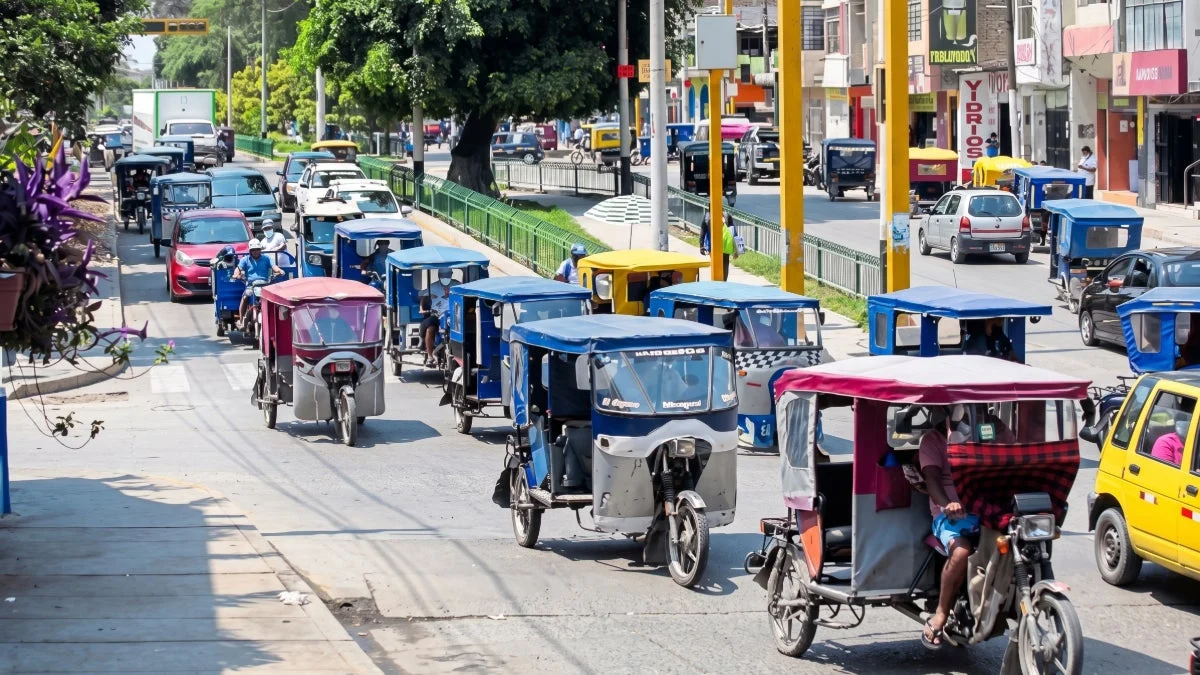
The decree, promulgated in the official gazette El Peruano, establishes two distinct financial mechanisms: the META-Nacional and the META-Lima and Callao. These programs are slated to operate for a three-month period, providing targeted relief to transport operators across the country.
The Core Mandate: Curbing Economic Instability
At the heart of this intervention is the government’s desire to prevent a supply-chain breakdown. As global geopolitical conflicts continue to drive crude oil prices to historic highs, the sustainability of Peruvian transport firms has been pushed to a breaking point. Without state intervention, the inability of these firms to absorb fuel costs would inevitably lead to a reduction in fleet operations, or in the worst-case scenario, a nationwide strike.
"The government is taking this step to uphold the constitutional right of our citizens to free transit and access to essential public services," stated the decree. The administration explicitly warned that failing to subsidize these costs would result in a direct pass-through to the consumer, further inflating the Consumer Price Index (CPI) and driving up the cost of food and basic necessities in every region of the country.
A Chronology of the Crisis
The road to this decree has been paved with escalating social tensions and economic pressure. The following timeline outlines the progression of the current crisis:
- Early 2026: Geopolitical instability in oil-producing regions triggers a sharp upward trend in global fuel benchmarks.
- May 2026: Wholesale gasoline and diesel prices in Peru surpass S/24 per gallon, doubling the pre-crisis price levels.
- June – July 2026: Transport unions across the country begin voicing concerns regarding the financial viability of their operations.
- July 2026: Spontaneous protests erupt in regions including Ucayali, Loreto, Arequipa, and Tacna. Demonstrators demand government intervention, citing that the rising cost of diesel makes it impossible to maintain existing fare structures.
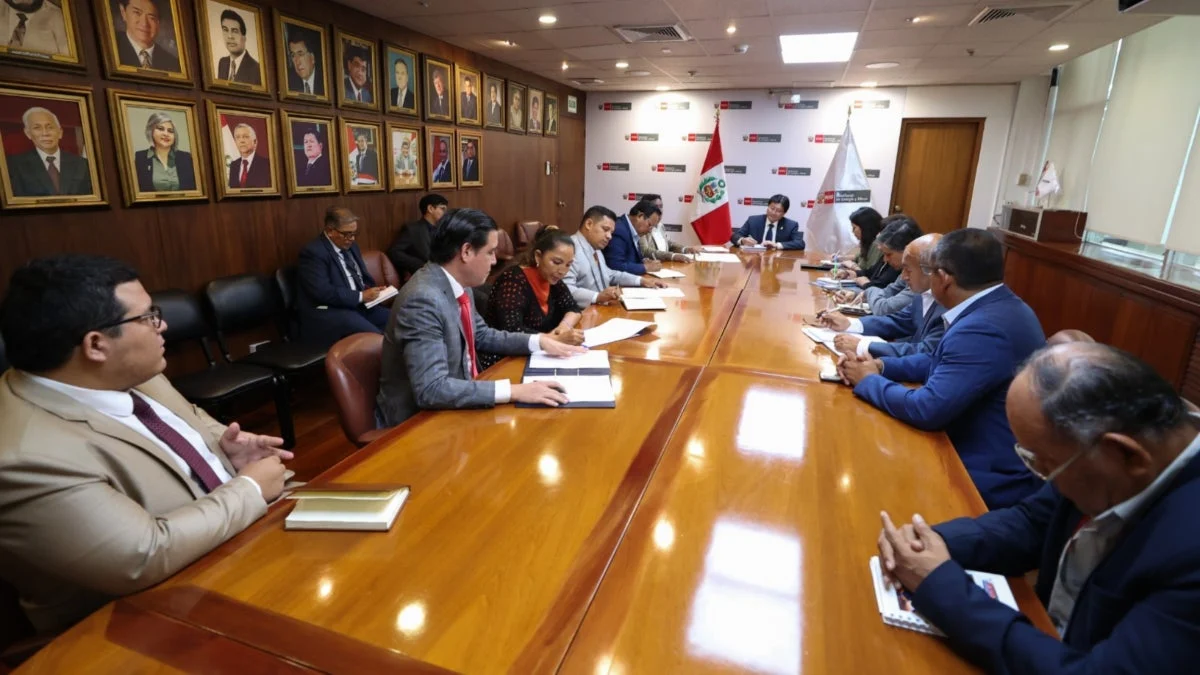
- August 10, 2026: The Council of Ministers approves the emergency funding package following a series of high-level negotiations with transport guilds.
- August 15, 2026: Emergency Decree No. 007-2026 is published, establishing the regulatory framework for the META mechanisms.
- August 16, 2026: The commencement of the first three-month subsidy cycle.
META-Nacional: Supporting Regional and Freight Logistics
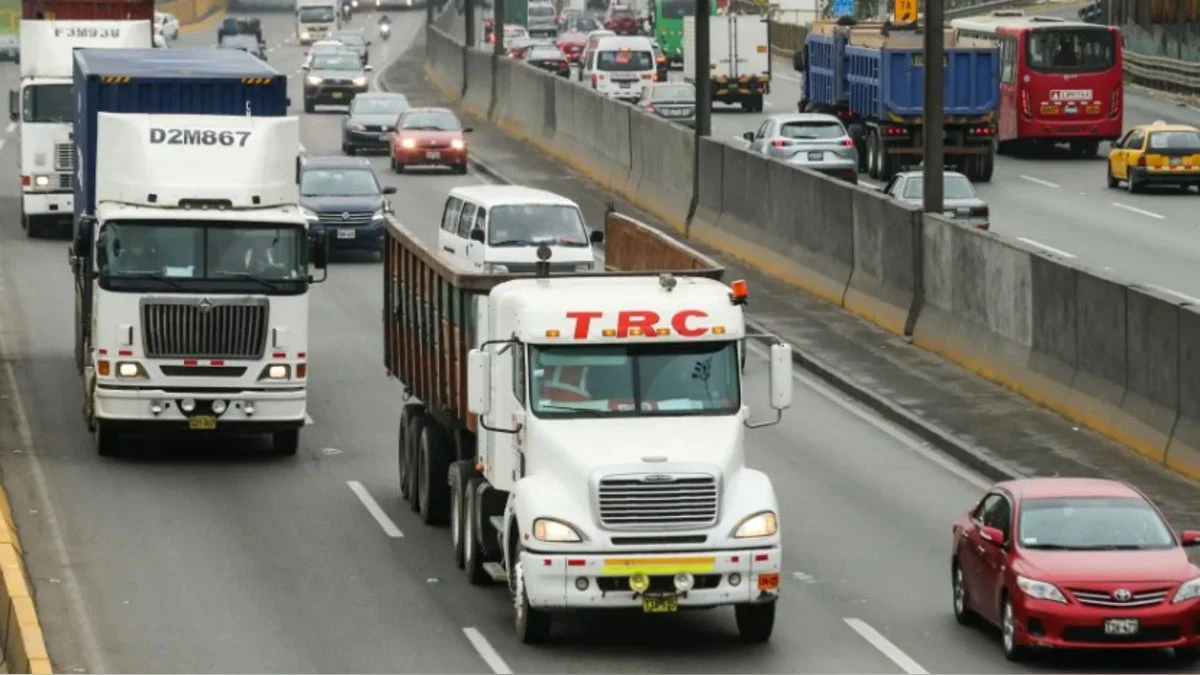
The META-Nacional program, allocated S/60 million, is a nationwide effort to support both passenger transport and freight logistics. The government recognizes that the flow of goods is as vital as the movement of people; therefore, the program encompasses both sectors to prevent the "inflation by costs" phenomenon from gripping the food supply chain.
Mechanism and Eligibility
The subsidy is calculated at S/4 per gallon of Diesel B5 or Diesel B20. To ensure fiscal transparency, the benefit is tied directly to consumption data. Operators must present electronic payment vouchers issued by suppliers registered with Osinergmin.
To qualify, transport companies must meet stringent criteria:
- Authorization: Must possess a valid authorization for public or freight transport.
- Fiscal Compliance: Must have an active and "habido" (verified) RUC status with the tax authority (SUNAT).
- Validation: Information is cross-referenced through an inter-agency portal involving the Ministry of Transport, regional governments, and Osinergmin.
The funds will be disbursed through the Banco de la Nación, ensuring that the subsidy reaches the end-user without unnecessary administrative delays.
META-Lima and Callao: A Performance-Based Model
Recognizing the unique density and logistical complexity of the capital, the government has implemented a different approach for the Lima and Callao metropolitan area, utilizing S/45 million in funding. Unlike the fuel-volume model used in the provinces, the META-Lima and Callao mechanism is tied to distance traveled, verified by the Sistema Integrado de Control y Monitoreo (SICM).
Tiered Subsidy Structure
The government has established a clear incentive structure based on vehicle type, which aims to optimize urban transit efficiency:
- Omnibus: S/ 0.50 per kilometer.
- Minibuses: S/ 0.40 per kilometer.
- Microbuses: S/ 0.30 per kilometer.
This performance-based model serves a dual purpose: it provides the necessary economic relief while simultaneously ensuring that public transport providers actually maintain their operational routes. By linking subsidies to monitored mileage, the government maintains a high level of accountability, ensuring that taxpayer money is not lost to inefficiencies or fraudulent claims.
Official Responses and Administrative Backing
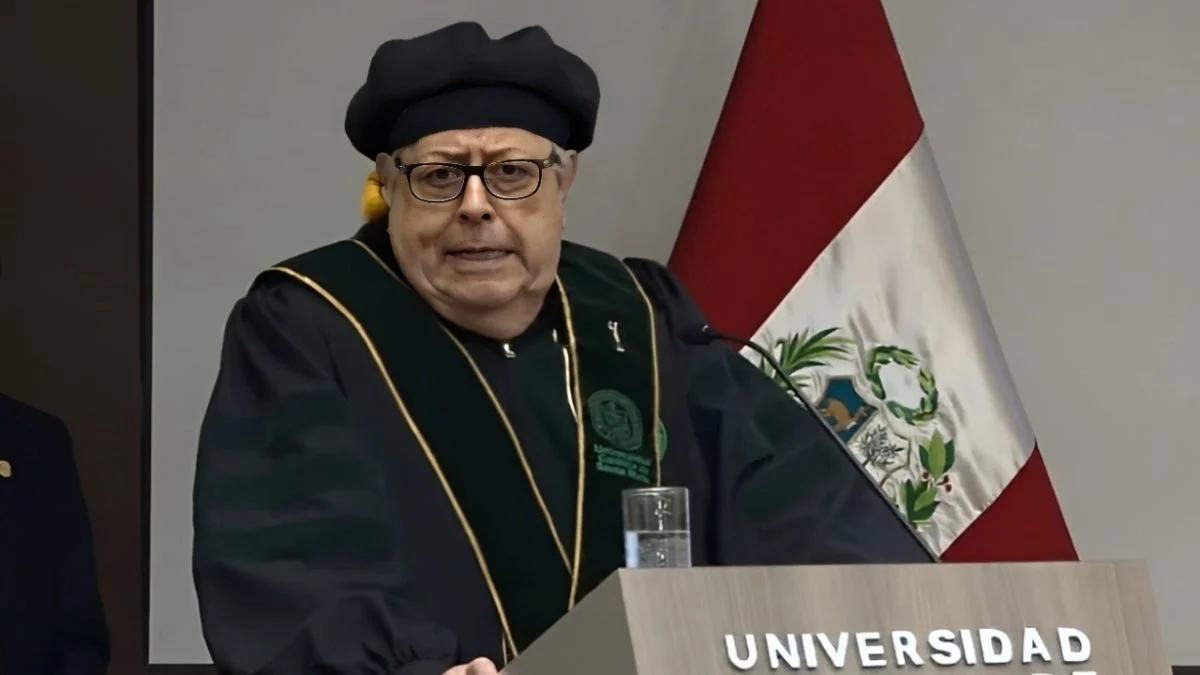
The decree carries the full weight of the executive branch, signaling the government’s commitment to avoiding social unrest. The document was formally signed by:
- President of the Republic: Keiko Fujimori
- Prime Minister: Luis Galarreta
- Minister of Economy and Finance: Elmer Cuba
- Minister of Transport and Communications: Rafael Rey
During the announcement, Minister Elmer Cuba emphasized that the funds are "earmarked with absolute specificity." He stated, "These resources are not generic budgetary injections; they are surgical interventions designed to prevent the inflationary cycle from deepening. Any misuse of these funds will be met with strict legal consequences, as the decree explicitly prohibits the diversion of these resources to non-authorized purposes."
The administration has also clarified that the two mechanisms are mutually exclusive. Operators within the jurisdiction of the Metropolitan Transport Authority (ATU) are ineligible for the META-Nacional subsidy, ensuring that there is no double-dipping and that fiscal resources are allocated equitably.
Economic Implications and Future Outlook
The immediate goal of this package is to prevent the "domino effect" of fuel prices on the average Peruvian household. In an economy where transportation costs represent a significant percentage of the final price of agricultural products, keeping freight costs stable is essential to food security.
Addressing the Inflationary Pressure
The "inflation by costs" cycle is one of the most difficult challenges for a developing economy. When the price of diesel rises, the cost of moving potatoes from the Andes to Lima increases, which in turn increases the price of a meal in the capital. By subsidizing the fuel input, the government is essentially absorbing the external shock on behalf of the consumer.
The Long-Term Challenge
While the S/105 million package provides a critical three-month lifeline, economists have noted that such measures are stop-gap solutions. As the decree is set to expire on December 31, 2026, the government faces the pressure of either extending the subsidies—should global fuel volatility persist—or finding long-term structural solutions to reduce the country’s reliance on imported fuel.
The transport sector, for its part, has expressed guarded optimism. Union leaders have indicated that while the S/4 per gallon subsidy is a significant relief, the long-term sustainability of the sector will depend on the evolution of the global energy market and potential shifts in government policy regarding hydrocarbon taxes.
Conclusion
As the META-Nacional and META-Lima and Callao programs begin their operations, the Peruvian government has positioned itself as the primary moderator between international market volatility and domestic economic stability. The success of this policy will be measured not only by the absence of strikes and the stability of transport fares but by the government’s ability to maintain the fiscal discipline required to keep these measures within the allocated S/105 million budget. For the citizens of Peru, the next three months will serve as a test of the state’s capability to protect the standard of living against the unpredictable currents of the global economy.