Date: July 31, 2026 | Source: RPP
In a move that has sparked intense debate across the Peruvian economic landscape, the administration of President Keiko Fujimori has officially proposed an increase in the Remuneración Mínima Vital (RMV)—the national minimum wage—to S/ 1,300. While the government presents this as a necessary social measure to improve the purchasing power of the working class, the private sector has responded with a call for structural reforms.
Jorge Zapata Ríos, president of the Confederación Nacional de Instituciones Empresariales Privadas (CONFIEP), the nation’s largest business association, has urged the government to pair this wage hike with comprehensive measures aimed at reducing the burden of formal employment. For the business community, the challenge lies not in the desire to pay higher wages, but in the systemic costs that make formalization prohibitive for the country’s vast micro and small enterprise (MYPE) sector.
Main Facts: The Proposed RMV Increase
The central point of contention is the jump to S/ 1,300. This adjustment is intended to help families cope with the rising cost of living; however, business leaders warn that such an increase, if implemented in a vacuum, could inadvertently exacerbate the very informality the government seeks to curb.
According to Zapata Ríos, any adjustment to the RMV must be inextricably linked to productivity metrics. The private sector argues that if wages rise without a corresponding increase in productivity, companies—particularly smaller ones—will be forced to choose between passing those costs to consumers or retreating into the informal economy to survive.
Chronology: The Road to the Decision
The path to this announcement has been marked by shifting economic priorities:
- Early 2026: Economic indicators suggested a need for a boost in household consumption, prompting discussions within the Ministry of Labor regarding a wage review.
- July 2026: President Keiko Fujimori officially announced the intent to raise the RMV to S/ 1,300.
- Post-Announcement: The Ministry of Labor, led by Juan Sheput, clarified that the move is currently a "political decision" that must now pass through the National Labor Council (CNT).
- Current Status: The proposal is under rigorous evaluation by the tripartite body consisting of government officials, employer representatives, and trade union leaders to build the necessary consensus.
Supporting Data: The Burden of Formalization
One of the most compelling arguments presented by the CONFIEP centers on the "hidden" costs of employment in Peru. Zapata Ríos highlighted a critical disparity: the base salary is only a portion of the total cost of an employee.
The 45% Threshold
Zapata Ríos emphasized that for every sol paid to a formal employee, the employer effectively pays between 40% and 45% more in additional labor obligations, taxes, and social security contributions.
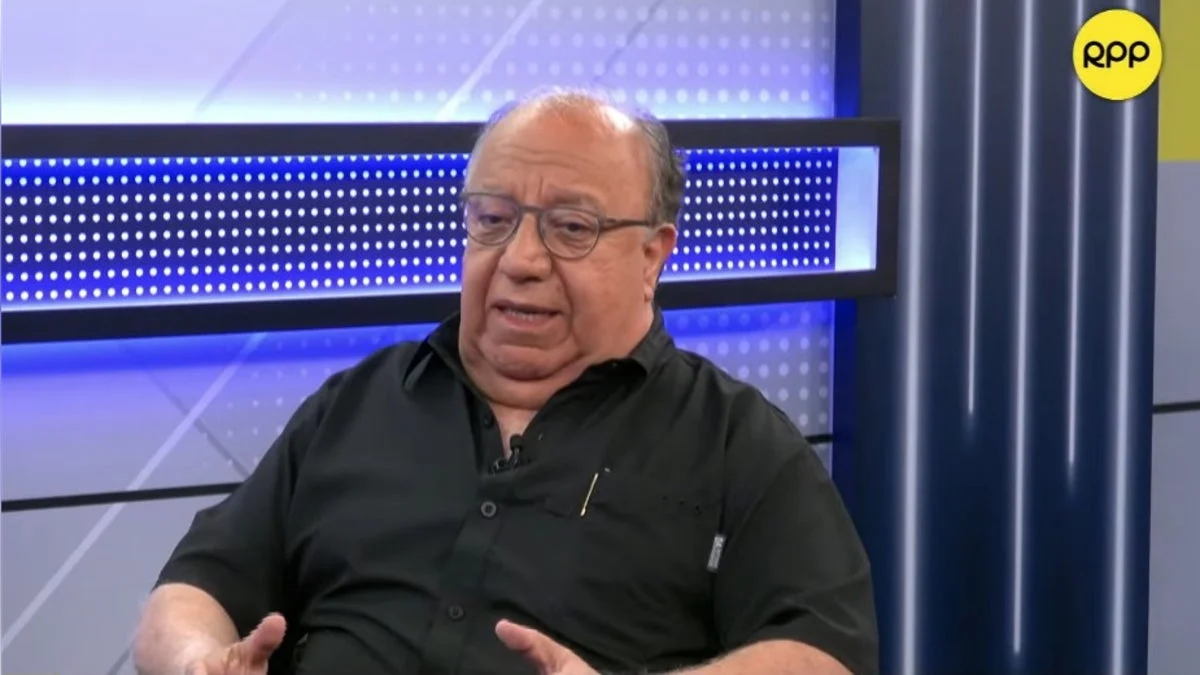
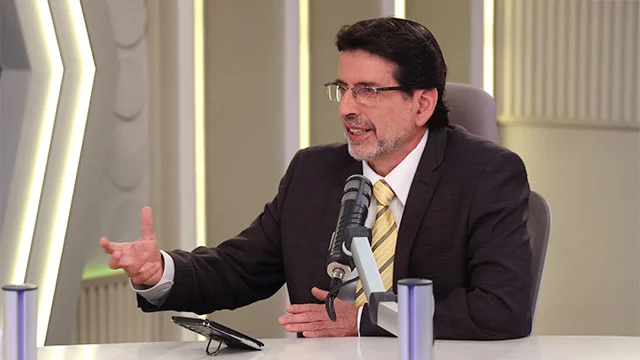
"If you pay a worker 1, it costs the employer 1.45," the CONFIEP president explained during an interview with RPP. This multiplier effect creates a significant barrier to entry for small businesses. When a business is operating on thin margins, a 45% overhead on labor costs can be the difference between sustainability and bankruptcy.
The MYPE Dilemma
Micro and small enterprises (MYPES) account for the majority of the Peruvian workforce, yet they also represent the highest concentration of informal labor. The logic is clear: when a business struggles with low productivity and high regulatory costs, the incentive to stay off the grid is immense. Zapata Ríos warned that "when a small business begins to formalize but is immediately met with these excessive burdens, they often find it inviable and return to the shadows of the informal economy."
Official Responses and Strategic Negotiations
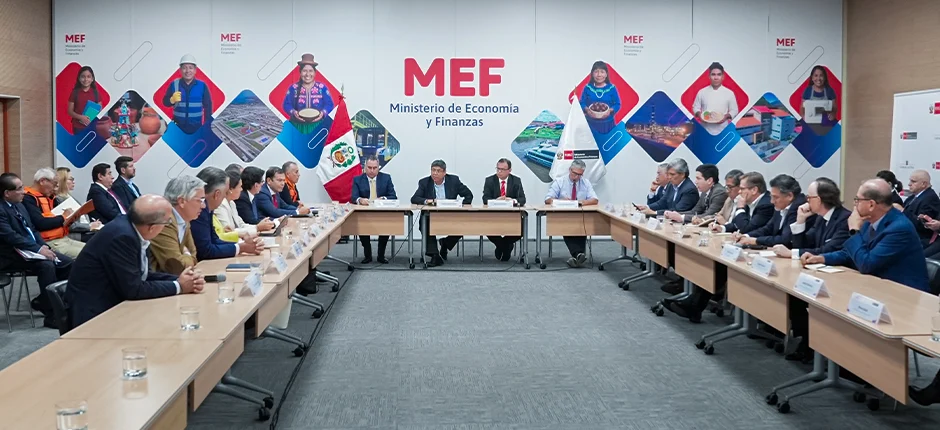
The government, represented by Minister of Labor Juan Sheput, has taken a cautious approach. Recognizing the sensitivity of the issue, Sheput has positioned the announcement as the start of a negotiation process rather than a final decree.
The Role of the National Labor Council
The CNT serves as the primary forum for this debate. The goal is to reach a "tripartite agreement" that balances social welfare with economic reality. By bringing together the government, employers, and labor unions, the administration hopes to mitigate the risk of widespread layoffs or business closures that critics fear could follow a sudden wage spike.
The "Bonus" Proposal
To offset the shock for smaller firms, the Executive branch has floated the idea of a "temporary bonus" for MYPES. This subsidy would theoretically bridge the gap between the old wage and the new S/ 1,300, providing breathing room for businesses to adjust their financial models.
However, the private sector remains skeptical. "We need to see the fine print," Zapata Ríos remarked. "How will this bonus be applied? For how long? What is the actual dollar amount? These are the questions that will determine if this policy is a bridge to stability or merely a temporary patch."
Implications for the Peruvian Economy
The debate over the RMV is a proxy for a much larger struggle: the formalization of the Peruvian economy.
Economic Competitiveness
If the government moves forward with the S/ 1,300 floor without accompanying tax or labor reforms, the cost of doing business in Peru could rise significantly. In an increasingly competitive global market, higher labor costs without corresponding gains in efficiency could lead to a decline in the competitiveness of Peruvian exports and local services.
Social Stability vs. Fiscal Responsibility
From a social perspective, the wage hike is a direct answer to the pressures of inflation and the need to protect the most vulnerable workers. However, if the result is an increase in unemployment or a migration toward informal labor—where workers are denied benefits, health insurance, and pension contributions—the net result could be a regression in the quality of life for the average Peruvian.
The Path Toward Reform
For the business community, the message to the government is clear: the RMV increase is an opportunity to fix a broken system. If the administration is willing to reduce the 45% "tax on formalization," the private sector might be more inclined to absorb the higher wage floor.
As the National Labor Council prepares for its upcoming sessions, the eyes of the nation remain fixed on the outcome. The decision will not only define the immediate income of millions of workers but will also set the tone for the Fujimori administration’s relationship with the private sector and its long-term strategy for economic development.
Conclusion: A Delicate Balance
The proposal to raise the minimum wage to S/ 1,300 is a high-stakes economic maneuver. It highlights the fundamental tension between the government’s duty to ensure a dignified living standard and the economic reality of a business sector struggling under the weight of heavy regulation.
As Jorge Zapata Ríos and the CONFIEP have made clear, the focus must shift from the wage number alone to the total cost of employment. Only by addressing the structural inefficiencies and the high cost of formalization can the government hope to achieve a sustainable, inclusive, and formal economy that benefits both the employer and the worker. The coming weeks of negotiation within the National Labor Council will be critical in determining whether this policy will act as a catalyst for growth or a burden on the very businesses that drive the nation’s prosperity.