Executive Summary: A New Era for Technical Education in Moquegua
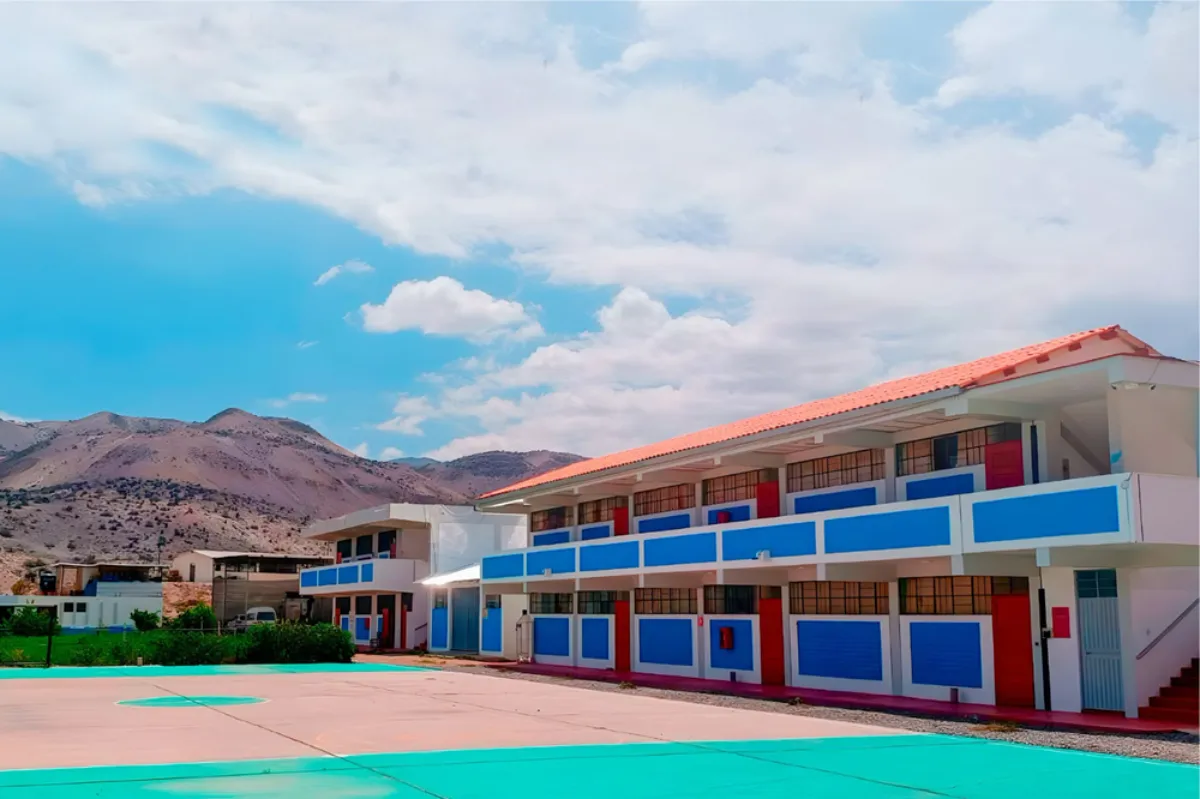
In a landmark move for regional development, the Instituto de Educación Superior Tecnológico Público de Omate, located in the province of General Sánchez Cerro, is set to undergo a comprehensive modernization process. With a total investment of approximately S/50 million, the project aims to redefine the standards of technical education in the Moquegua region.
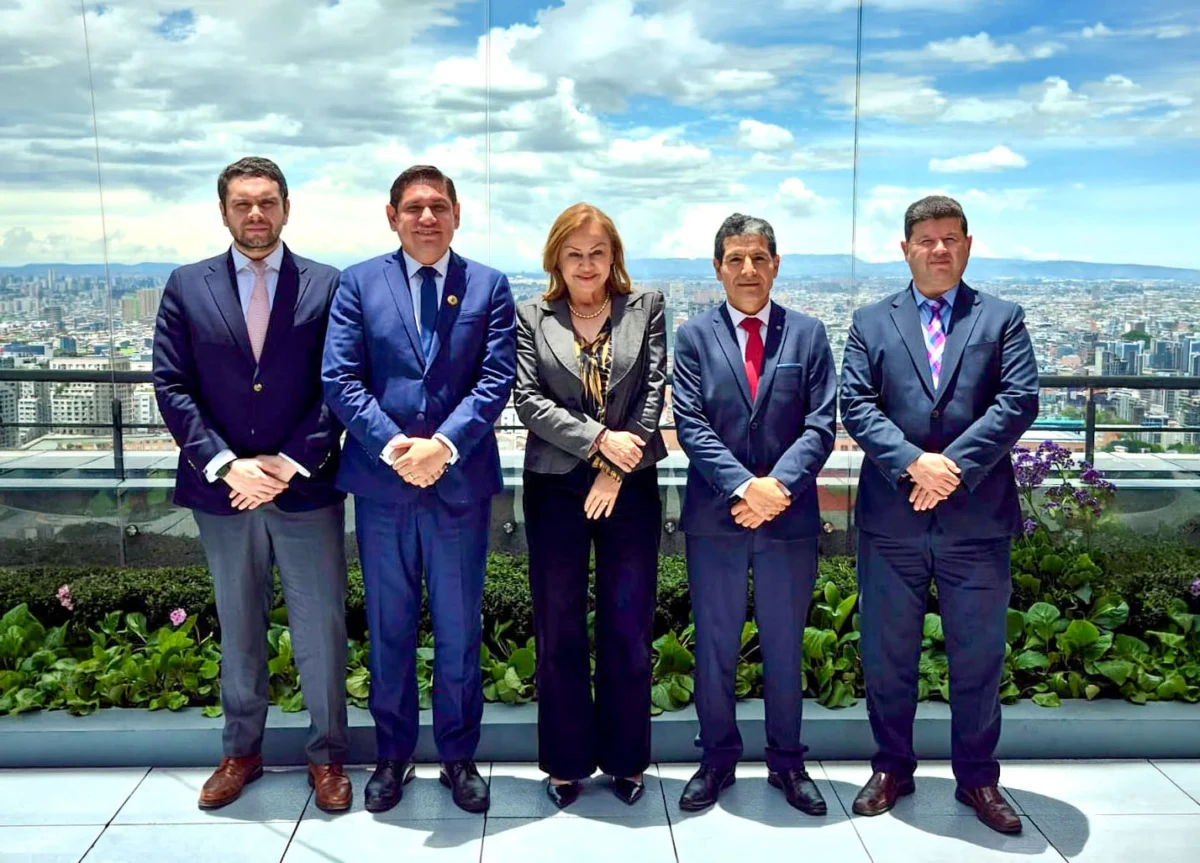
The initiative, structured under the "Obras por Impuestos" (Works for Taxes) mechanism, represents a strategic tripartite alliance between the private sector—represented by mining giant Southern Peru—the Regional Government of Moquegua, and the Ministry of Education (MINEDU). This collaboration serves as a blueprint for how private investment can effectively address structural gaps in the public education sector.
The Scope of Intervention: Beyond Infrastructure
The modernization project is not merely an aesthetic upgrade; it is a holistic overhaul of the institute’s operational capacity. The S/50 million budget is earmarked for a multi-phase implementation that ensures the long-term sustainability of the educational center.
1. Architectural and Engineering Design
The project begins with the development of the technical file. This stage is critical, as it involves seismic-resilient design, modern laboratories, and optimized space planning that aligns with contemporary pedagogical needs.
2. Physical Infrastructure and Smart Facilities
The construction phase involves the replacement of outdated facilities with modern classrooms, administrative offices, workshops, and communal spaces. The design emphasizes sustainability and energy efficiency, aiming to create a campus that serves as a hub for regional innovation.
3. State-of-the-Art Equipment
A significant portion of the budget is allocated to equipping the workshops and laboratories with advanced technology. By bridging the "digital divide" and providing students with access to the same tools utilized by modern industries, the institute aims to increase the employability of its graduates.
4. Continuity of Operations
A key concern for any educational facility renovation is the disruption of student progress. To address this, the project explicitly mandates the implementation of a contingency facility. This temporary site will ensure that academic activities proceed without interruption while the main campus undergoes reconstruction.

Chronology: From Concept to Commitment
The journey toward the modernization of the Omate Technological Institute has been a deliberate process of negotiation, planning, and inter-institutional coordination.
- Initial Feasibility Assessments (Early 2025): The Regional Government of Moquegua identified the Omate institute as a priority for infrastructure development due to the aging state of its facilities and the growing demand for skilled labor in the province.
- Engagement with Southern Peru: Leveraging the Obras por Impuestos framework, the Regional Government reached out to Southern Peru to propose the investment. Given the mining company’s deep roots in the Moquegua region, a mutual interest in strengthening human capital was quickly established.
- Formalization and Coordination (Mid-2026): Throughout 2026, technical teams from the Ministry of Education, the regional government, and the company worked to align the project requirements with national education standards.
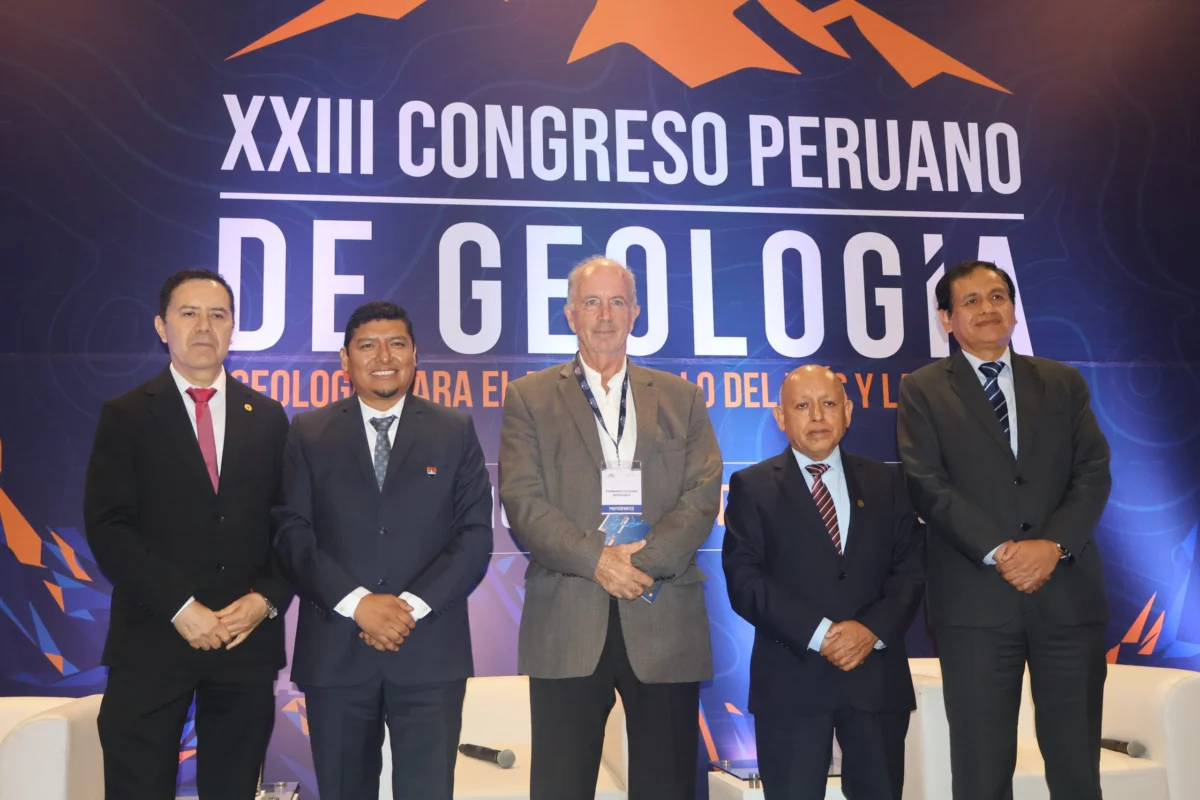
- The Signing Ceremony (August 2026): The formal handover of the investment agreement took place in Omate. The event was attended by local dignitaries, representatives from the Ministry of Education, the Regional Government of Moquegua, the institute’s board, and senior executives from Southern Peru. This milestone marked the official transition from planning to execution.
Supporting Data: Why Omate Matters
The General Sánchez Cerro province has long been a region with significant agricultural and potential industrial growth. However, a "skills gap" has historically hindered the local population from accessing high-value employment.
- Demographic Impact: The institute serves hundreds of students from across the province. Modernizing this facility will directly benefit the youth of Omate and its surrounding districts, reducing the need for students to migrate to Arequipa or Lima for quality technical education.
- Economic Multiplier Effect: By training technicians in areas such as agriculture, mechanics, and information technology, the institute acts as an engine for local economic development. Skilled workers are essential to attract further private investment to the Moquegua highlands.
- Alignment with National Policy: The project adheres to the Ministry of Education’s broader mandate to upgrade technological institutes across Peru, shifting from traditional classroom-based learning to a more practical, competency-based model.
Official Perspectives and Stakeholder Responses
The Role of Southern Peru
For Southern Peru, this investment is part of its Corporate Social Responsibility (CSR) strategy, which prioritizes "Shared Value." Company representatives noted that their commitment goes beyond the financial injection. By fostering a closer relationship with the academic community, the company hopes to tailor the institute’s curriculum to the evolving needs of the local labor market.
Regional Government’s Stance
The Governor of Moquegua emphasized that this project is a "historic win" for the province of General Sánchez Cerro. By utilizing the Obras por Impuestos mechanism, the region can expedite projects that would otherwise be delayed by lengthy bureaucratic procurement processes.
Ministry of Education (MINEDU)
Representatives from the Ministry underscored the importance of the "contingency plan." By guaranteeing that no student loses a semester during the construction period, the Ministry ensures that the project remains centered on the student’s academic success rather than just the bricks and mortar of the building.
Implications for the Future of Technical Education
The Omate project stands as a testament to the success of public-private partnerships in Peru. As the country seeks to diversify its economy and improve productivity, the role of Technological Institutes (IST) becomes paramount.
1. A Model for Decentralization
By focusing investment in provinces like General Sánchez Cerro, the government and its private partners are effectively decentralizing educational excellence. This encourages rural development and helps stem the tide of urban migration.

2. Industry-Ready Graduates
The curriculum, supported by the new infrastructure, is expected to focus on high-demand technical skills. As Southern Peru and other regional players move toward more automated and technologically integrated operations, the Omate institute will serve as the primary pipeline for the local workforce.
3. Sustainability and Long-Term Governance
The success of this project will ultimately be measured not just by the completion of the building, but by the institute’s ability to maintain its new equipment and continue to attract qualified teaching staff. The partnership structure includes provisions for capacity building, ensuring that the staff is trained to manage the new technological assets effectively.
Conclusion: A Catalyst for Regional Growth
The S/50 million investment in the Instituto de Educación Superior Tecnológico Público de Omate is more than a construction project; it is a long-term investment in the human potential of the Moquegua region. By integrating modern infrastructure with a forward-looking curriculum, the project seeks to transform the province into a hub of technical expertise.
As the project enters its execution phase, the eyes of the region are on Omate. The successful delivery of this modernized institute will provide a replicable model for other regions, proving that when the public and private sectors align their goals, the result is a measurable improvement in the quality of life and the economic future of the nation’s youth.
The synergy displayed between Southern Peru, the Moquegua Regional Government, and the Ministry of Education serves as a clear indicator that the future of Peru’s educational development lies in collaborative, high-impact investments that prioritize the needs of the next generation of professionals.