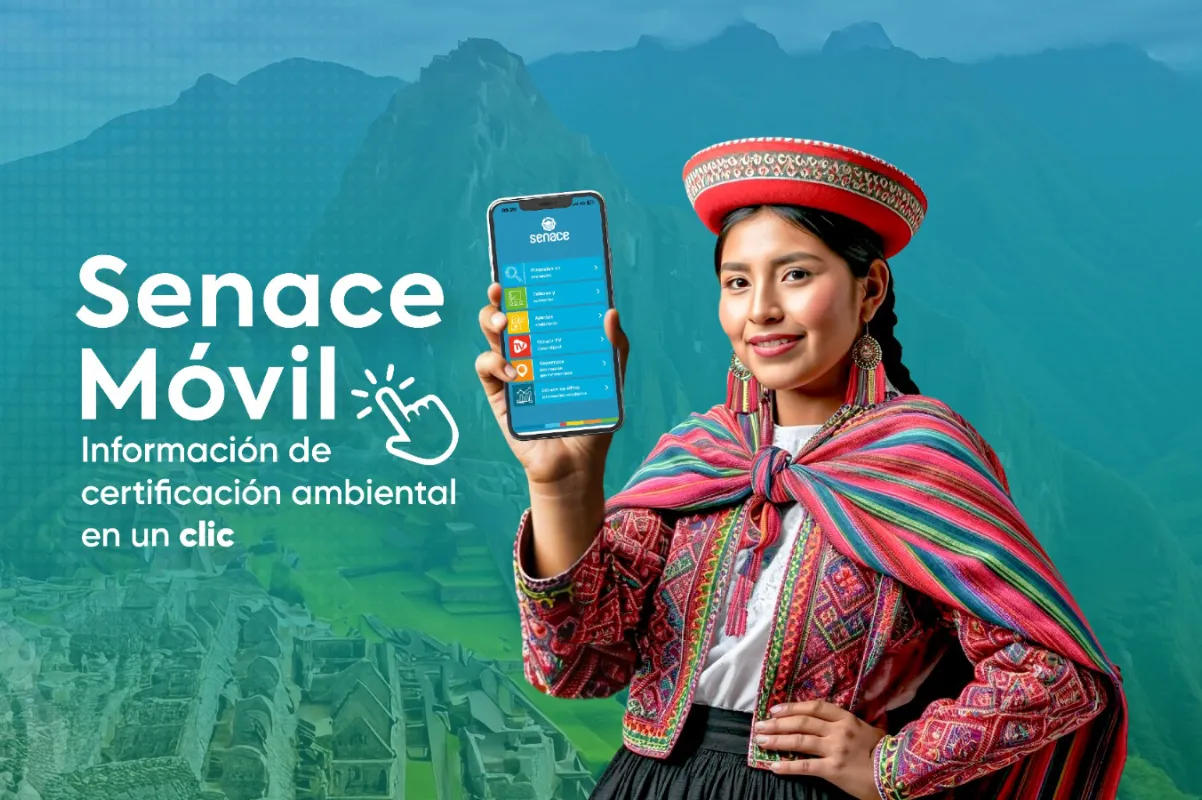
Lima, Peru – [Insert Date] – In a significant stride towards enhancing transparency and empowering citizens in environmental decision-making, the National Environmental Certification Service (Senace) has unveiled "Senace Móvil," a groundbreaking mobile application designed to democratize access to vital information regarding environmental impact assessments for investment projects across Peru. This innovative digital tool promises to foster more active citizen participation, strengthen environmental and social governance, and ensure a more informed public discourse on sustainable development.
The "Senace Móvil" application, now available on both Google Play Store for Android devices and the Apple App Store for iOS users, represents a paradigm shift in how Senace interacts with the public. It moves beyond traditional, often cumbersome, information dissemination methods to offer a user-friendly, interactive, and readily accessible platform for all Peruvians. This initiative underscores Senace’s commitment to not only streamline its own processes but also to actively involve the public in safeguarding the nation’s invaluable natural heritage.
Main Facts: A Digital Gateway to Environmental Assessments
At its core, "Senace Móvil" serves as a comprehensive digital repository and communication channel for environmental certification processes. The application is meticulously structured into six distinct modules, each designed to cater to specific user needs and promote a holistic understanding of environmental evaluations:
- "Proyectos en Evaluación" (Projects Under Evaluation): This module provides users with detailed and up-to-date information on all investment projects currently undergoing environmental impact assessment by Senace. This includes project descriptions, proponent details, the stage of evaluation, and relevant documentation.
- "Talleres y Audiencias" (Workshops and Hearings): Central to fostering citizen input, this section informs users about upcoming participatory workshops and public hearings related to environmental assessments. It allows for easy registration and access to schedules, locations, and agendas.
- "Aportes Ciudadanos" (Citizen Contributions): This module empowers citizens to directly submit their comments, observations, and contributions regarding projects under evaluation. Strict adherence to established deadlines is facilitated, ensuring that all public input is formally considered.
- "Senace TV": This module acts as a multimedia hub, offering access to informative videos, webinars, and presentations produced by Senace. It aims to demystify complex environmental concepts and highlight key news and updates related to the agency’s work and environmental certification.
- "Geosenace": Leveraging geospatial technology, this module allows users to visualize the geographical location of investment projects across Peru’s diverse regions. This feature provides a spatial understanding of development activities and their potential environmental implications.
- "Senace en Cifras" (Senace in Numbers): This module presents key statistical data and updated information regarding Senace’s operations, including the number of projects evaluated, environmental certifications granted, and trends in environmental management.
The overarching objective of "Senace Móvil" is to break down barriers to information access, thereby fostering a more informed and engaged citizenry. By centralizing critical data and facilitating direct communication channels, Senace aims to build trust and collaboration between the public, project proponents, and the environmental certification body.
Chronology of Citizen Engagement in Environmental Evaluation
The development and launch of "Senace Móvil" are not isolated events but rather the culmination of Senace’s ongoing efforts to integrate public participation into its operational framework. Historically, citizen engagement in environmental assessments has evolved significantly.
In its nascent stages, public consultation often relied on physical notices posted in public spaces and limited public hearings, which often had low attendance due to geographical or logistical constraints. As technology advanced, Senace began incorporating online platforms for document dissemination and feedback submission. However, these often required navigating complex government websites and lacked the user-friendliness of dedicated mobile applications.
The concept of a dedicated mobile application gained traction as a response to the growing ubiquity of smartphones and the public’s increasing reliance on mobile devices for information access. The COVID-19 pandemic further accelerated the need for digital solutions, highlighting the importance of remote participation and information sharing.
Senace’s strategic decision to develop "Senace Móvil" represents a proactive step to adapt to these evolving technological landscapes and citizen expectations. The application’s design reflects a phased approach to enhancing engagement:
- Phase 1: Information Dissemination: Initial efforts focused on making environmental impact assessment (EIA) documents and project information readily available through official websites.
- Phase 2: Digital Feedback Mechanisms: Introduction of online forms and email channels for submitting comments and questions.
- Phase 3: Interactive Platforms: Development of online portals for registering for workshops and accessing live streams of public hearings.
- Phase 4: Mobile Accessibility and Integration: The launch of "Senace Móvil" marks the pinnacle of this phase, integrating all previous functionalities into a single, intuitive mobile application and adding advanced features like georeferencing and multimedia content.
This progression demonstrates Senace’s commitment to progressively deepening and broadening citizen involvement, moving from passive information consumption to active participation and contribution.
Supporting Data: The Power of Accessible Information
The effectiveness of "Senace Móvil" hinges on its ability to provide timely, accurate, and comprehensive data to its users. The application’s modular design ensures that diverse data sets are presented in easily digestible formats.

Project Under Evaluation Data: Users can access details such as:
- Project name and type (e.g., mining, energy, infrastructure)
- Proponent company
- Stage of environmental certification (e.g., initial review, public participation, final decision)
- Links to relevant EIA documents (Full EIA, Summary EIA, Non-Technical Summary)
- Dates of key milestones and deadlines
Workshop and Hearing Data:
- Calendar of upcoming events with specific dates, times, and locations (physical and virtual)
- Information on the projects being discussed
- Materials for pre-reading or preparation
- Registration links and contact information for inquiries
Citizen Contribution Data:
- Clear guidelines on how to submit contributions
- Information on the types of contributions accepted (e.g., technical comments, social concerns, environmental observations)
- Confirmation of submission and tracking of the status of contributions
Senace TV Content:
- Library of educational videos on environmental impact assessment processes
- Interviews with experts and stakeholders
- News updates and policy explanations
- Recordings of past webinars and public forums
Geosenace Data:
- Interactive map displaying project locations
- Ability to filter projects by region, sector, or status
- Clickable project markers linking to detailed information within the app
Senace en Cifras Data:
- Infographics illustrating key performance indicators
- Statistics on environmental certifications issued
- Data on public participation rates
- Trends in environmental compliance and mitigation measures
The availability of this data in a mobile-friendly format is crucial. According to recent studies on digital adoption in Peru, smartphone penetration continues to rise, with a significant portion of the population relying on mobile devices for news and information. "Senace Móvil" directly addresses this trend, ensuring that environmental information is not confined to traditional desktop access but is available to a wider demographic, including those in remote areas. The transparency afforded by this data accessibility is fundamental to building public trust and fostering a sense of ownership over environmental governance.
Official Responses and Strategic Importance
The launch of "Senace Móvil" has been met with strong endorsement from government officials and environmental stakeholders. The application is viewed as a critical tool for advancing the Peruvian government’s agenda for sustainable development and responsible resource management.
Minister of Environment, [Insert Minister’s Name and Title if available, otherwise use a general title]: "This initiative by Senace is a testament to our commitment to leveraging technology for the benefit of our citizens and our environment. ‘Senace Móvil’ empowers every Peruvian to be an active participant in the decisions that shape our nation’s future. By making environmental information accessible and understandable, we are fostering a culture of environmental stewardship and ensuring that development projects are aligned with the highest environmental and social standards."
Executive President of Senace, [Insert President’s Name and Title if available, otherwise use a general title]: "Our mission at Senace is to ensure that investment projects are developed in an environmentally sustainable manner. To achieve this, robust public participation is not merely an option; it is an imperative. ‘Senace Móvil’ is designed to be a bridge, connecting Senace directly with the citizens it serves. It simplifies complex processes, provides transparent access to information, and actively solicits valuable input from all stakeholders. We believe this application will significantly enhance the quality and legitimacy of our environmental certification processes."

The strategic importance of "Senace Móvil" extends beyond mere information dissemination. It serves several key governmental objectives:
- Enhanced Governance: By promoting transparency and accountability, the app strengthens democratic governance in environmental decision-making.
- Reduced Conflict: Proactive and informed citizen engagement can help identify and address potential social and environmental conflicts early in the project lifecycle, leading to more harmonious development.
- Improved Project Outcomes: Incorporating diverse public perspectives can lead to more robust and effective environmental mitigation and management plans, ultimately contributing to better project outcomes.
- Digital Transformation: The app aligns with the government’s broader digital transformation agenda, modernizing public services and embracing technological innovation.
- International Commitments: It supports Peru’s commitments to international environmental agreements and best practices in public participation.
Implications for the Future of Environmental Management in Peru
The introduction of "Senace Móvil" carries profound implications for the future of environmental management and sustainable development in Peru. Its success will likely pave the way for similar digital initiatives across other government agencies.
Increased Citizen Empowerment: The most immediate implication is the significant empowerment of citizens. Individuals, community groups, and civil society organizations will have unprecedented access to information and direct channels for participation. This could lead to a more vigilant and informed public, capable of holding both project proponents and regulatory bodies accountable.
Shift in Public Consultation Dynamics: Traditional, often formal and procedural, public consultations may evolve to become more dynamic and inclusive. "Senace Móvil" can complement physical events by providing a continuous platform for dialogue and feedback, allowing for contributions outside of scheduled meetings.
Data-Driven Environmental Policy: The rich data generated by the app – including patterns of citizen engagement, common concerns, and project locations – can provide valuable insights for policymakers. This data can inform future environmental regulations, land-use planning, and strategic environmental assessments.
Democratization of Expertise: By demystifying environmental evaluation processes and providing access to expert content, "Senace Móvil" can help democratize environmental knowledge. This may lead to a more scientifically literate public, capable of engaging in more informed discussions about environmental issues.
Potential for Scalability and Replication: The success of "Senace Móvil" could serve as a model for other environmental agencies in Peru and even in other Latin American countries facing similar challenges in public participation and information accessibility. The modular design allows for potential future expansion to include other environmental permitting processes.
Challenges and Opportunities: While the outlook is positive, challenges remain. Ensuring widespread digital literacy and access to smartphones across all regions of Peru will be crucial for maximizing the app’s reach. Senace will also need to maintain the app’s functionality, regularly update its content, and effectively process and respond to the influx of citizen contributions. However, these challenges also present opportunities for further innovation, such as offline access features or integration with community outreach programs.
In conclusion, "Senace Móvil" is more than just a mobile application; it is a strategic investment in transparency, participation, and the sustainable future of Peru. By bringing environmental certification processes directly into the hands of the people, Senace is not only fulfilling its mandate but also actively building a more engaged and environmentally conscious society.