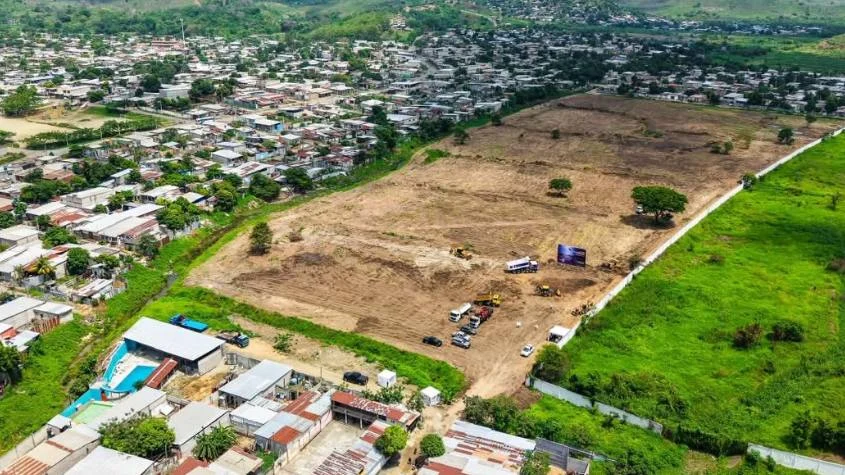
Guayaquil, Ecuador – In a significant move to bolster urban infrastructure and social cohesion, the Ecuadorian government has officially commenced the construction of the Monte Sinaí Recreational Park. This ambitious development, located in one of Guayaquil’s most populous sectors, represents a strategic investment of US$ 8.1 million aimed at transforming the local landscape and providing much-needed public amenities to a community that has long faced challenges regarding access to high-quality recreational facilities.
The project is designed to span 6.5 hectares, serving as a multifaceted hub for sports, recreation, and community integration. As construction begins, the development is already being hailed as a catalyst for social change, with direct benefits projected for approximately 50,000 local residents, while reaching an indirect beneficiary base of 150,000 citizens in the surrounding areas.
Main Facts: A Blueprint for Community Development
The Monte Sinaí Recreational Park is not merely a construction project; it is a comprehensive social intervention. The project’s scope encompasses a wide array of facilities designed to promote physical activity, family engagement, and community safety.
Key Project Specifications:
- Total Investment: US$ 8.1 million.
- Project Footprint: 6.5 hectares of repurposed urban land.
- Direct Beneficiaries: 50,000 residents.
- Indirect Beneficiaries: 150,000 residents.
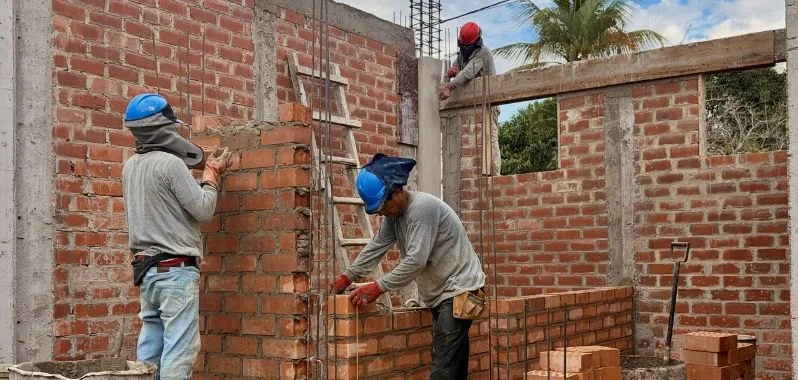
- Employment Generation: 100 direct jobs created during the construction phase.
- Core Amenities: Multiple sports courts, a dedicated cycling path, a specialized jogging track, children’s play areas, and outdoor biosaludable (fitness) stations.
Beyond the physical infrastructure, the park is intended to be a secure environment. The master plan includes high-end security measures, such as modern LED lighting systems, robust water and drainage infrastructure, and a comprehensive network of videovigilancia (CCTV) to ensure the safety of visitors at all hours.
Chronology: From Concept to Groundbreaking
The path to the Monte Sinaí project has been marked by a series of planning phases aimed at addressing the systemic infrastructure deficits in northwestern Guayaquil.
Phase 1: Needs Assessment (Late 2025 – Early 2026):
The planning authorities conducted a series of demographic studies and neighborhood assessments. Recognizing the high population density in Monte Sinaí, the government identified a critical shortage of public green spaces. The decision was made to prioritize this sector for a large-scale urban park to mitigate the "concrete jungle" effect prevalent in the area.
Phase 2: Budgeting and Resource Allocation (Mid-2026):
With a total budget allocation of US$ 8.1 million, the government finalized the tender process. The financing, sourced from national infrastructure funds, reflects a commitment to equitable urban development.

Phase 3: The Official Commencement (October 2026):
Construction officially broke ground this month. Heavy machinery and engineering teams have begun site clearing and the laying of the foundational groundwork, marking the start of what is estimated to be a multi-month construction cycle.
Supporting Data: Why Monte Sinaí?
The importance of the Monte Sinaí project is underscored by the socioeconomic data of the region. Historically, rapid and often informal urban expansion in the periphery of Guayaquil has left thousands without access to parks, libraries, or sports facilities.
Public health experts have long argued that the lack of public space contributes to sedentary lifestyles and limited social interaction among youth. By providing 6.5 hectares of green space, the government aims to:
- Reduce Crime Rates: Environmental design theory suggests that well-lit, active, and monitored public spaces deter criminal activity.
- Public Health Outcomes: The inclusion of biosaludable stations and jogging tracks is a proactive measure to encourage daily exercise, helping to combat rising rates of non-communicable diseases such as obesity and cardiovascular issues in the urban population.
- Economic Stimulation: By hosting zones for ferias (fairs) and local entrepreneurship, the park will create a marketplace for small vendors, effectively stimulating the local micro-economy.
Official Responses: The Government’s Vision
During a site visit to the project location, the Minister of Infrastructure and Technology, Roberto Luque, emphasized that the park is intended to be a collaborative effort between the government and the community.
"This is not a top-down mandate," Minister Luque stated during his inspection. "We are committed to gathering the needs and suggestions of the local residents to incorporate them into the final phases of the project wherever it is technically feasible. The success of this park depends on its relevance to the people who live here every day."
The Minister’s approach signals a shift toward "participatory urbanism," where the government serves as a facilitator of public needs rather than a mere builder of static structures. This commitment to transparency and feedback is expected to increase community ownership of the park, ensuring it remains well-maintained and protected long after the ribbon-cutting ceremony.
Implications: The Long-Term Impact on Guayaquil
The Monte Sinaí Recreational Park is poised to have profound implications for the future of urban development in Ecuador.

Social Integration
The inclusion of spaces specifically designed for senior citizens and children ensures that the park functions as an intergenerational hub. By fostering interaction between different age groups, the project aims to strengthen the social fabric of the neighborhood, reducing the sense of isolation often felt in sprawling urban areas.
Economic and Cultural Growth
The project’s focus on hosting cultural activities and local entrepreneurship will transform the park into a commercial anchor. Small business owners will have a dedicated space to sell goods, fostering a cycle of economic activity that stays within the community. This "park-as-an-engine" model is a sustainable approach to urban economic development that could be replicated in other underserved areas of the country.
Urban Resilience
The installation of advanced drainage and water systems is a crucial element of the project. Given the tropical climate of Guayaquil, effective water management is vital to preventing flooding. The design of the park serves a dual purpose: providing recreation while acting as a green buffer that helps manage rainwater runoff, contributing to the city’s overall climate resilience.
Looking Ahead: Challenges and Opportunities
While the project is currently moving forward with significant momentum, the success of the Monte Sinaí Recreational Park will ultimately depend on three key factors:
- Maintenance and Sustainability: The long-term success of the park will require a robust maintenance plan. The Ministry of Infrastructure will likely need to coordinate with municipal authorities to ensure that the lighting, security, and cleaning services are adequately funded and managed in perpetuity.
- Community Engagement: Minister Luque’s call for neighbor input is essential. Ensuring that the park evolves in tandem with the community’s changing needs will be the defining factor in its longevity.
- Security Integration: The reliance on high-tech surveillance and lighting must be balanced with a community-based approach to safety. Building trust between local law enforcement and residents will ensure that the park remains a safe sanctuary.
In conclusion, the construction of the Monte Sinaí Recreational Park stands as a landmark investment in the future of Guayaquil. It represents a bold move toward reversing historical neglect and provides a blueprint for how infrastructure can be used to foster health, safety, and prosperity. As the 100 workers on-site continue to lay the foundation for these 6.5 hectares, the residents of Monte Sinaí look forward to a future where their neighborhood is defined not by its challenges, but by its vibrant, green, and inclusive public spaces.