The construction of the new Hospital of Ferreñafe, a landmark infrastructure project spearheaded by the Regional Government of Lambayeque, has officially entered a transformative phase. As the region prioritizes the strengthening of its public health infrastructure, the arrival of 51 high-precision anti-seismic devices marks a pivotal achievement in the project’s timeline. This critical development not only underscores a commitment to modern engineering standards but also ensures that the facility will serve as a resilient bastion of care for the community in the event of natural disasters.
The project, which encompasses a vast area of over 12,000 square meters, is designed to be a comprehensive medical hub, featuring four distinct levels and a basement. Upon completion, the facility will operate under the II-1 category, providing essential healthcare services and housing over 50 hospital beds to accommodate the growing needs of the Lambayeque population.
Core Technical Developments and Structural Integrity
The recent delivery of the anti-seismic equipment is the result of rigorous international procurement and quality control processes. The shipment consists of 36 sophisticated seismic isolators and 15 seismic sliders. Currently, project engineers are conducting a comprehensive technical evaluation of these components before they are permanently integrated into the facility’s foundation.
These devices are set to be installed atop concrete pedestals strategically located within the sub-structure. The isolators themselves are masterpieces of civil engineering: they are constructed from alternating layers of high-grade rubber and reinforced steel plates, featuring a central lead core. This specific configuration is designed to dissipate kinetic energy during seismic events, effectively decoupling the building from ground motion. According to structural reports, this system is projected to reduce seismic vibrations reaching the upper floors by an impressive 70% to 80%, ensuring the safety of patients, staff, and sensitive medical equipment.
The procurement process reflects a global standard of excellence. The components were manufactured in China, then transported to Italy—a nation globally recognized for its expertise in seismic protection technology—where they underwent exhaustive stress tests and independent inspections to ensure their performance meets the highest international safety benchmarks.

Chronology of Progress
The development of the Ferreñafe Hospital is a multi-year effort that reflects the Regional Government’s commitment to long-term health infrastructure.
- Initial Planning and Site Selection: The project began with the identification of a 12,000-square-meter site capable of supporting a high-density, multi-level medical facility.
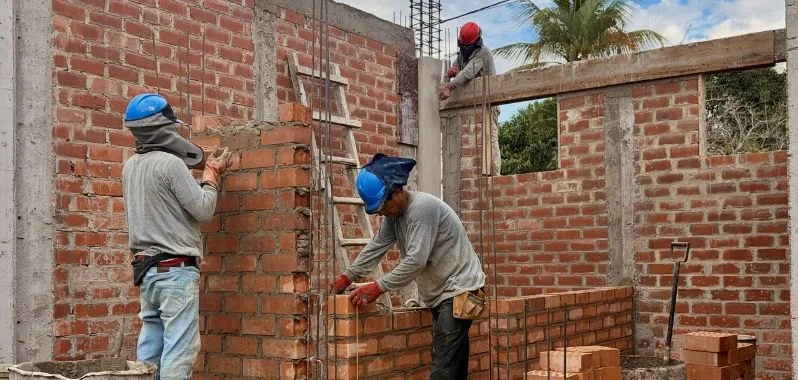
- Foundation and Sub-structure Phase: Excavation and the construction of the basement levels were prioritized, incorporating advanced moisture and flood management systems.
- Procurement of Specialized Technology: During the mid-construction phase, the government initiated the international tender for seismic protection technology, ensuring that the hospital would meet modern safety codes.
- Arrival of Seismic Devices (August 2026): The delivery of 51 units to the site serves as the current major milestone, signaling the shift from basic civil works to the installation of critical protective infrastructure.
- Upcoming Milestones: The immediate next steps involve the mobilization of a heavy-duty tower crane, which will facilitate the construction of the basement roof and the subsequent vertical growth of the main hospital structure.
Supporting Data: Engineering for Resilience
Beyond the seismic isolators, the project engineers have integrated comprehensive climate-resilient features. Recognizing the potential for extreme weather events in the Lambayeque region, the construction team has implemented a sophisticated drainage system. This includes a network of specialized canaletas (gutters) integrated into the site’s foundation. These are connected to three deep-well sumps, which are designed to mitigate the risk of water accumulation and protect the structural integrity of the building’s base during periods of heavy rainfall.
This holistic approach—combining earthquake protection with flood mitigation—positions the new Ferreñafe Hospital as one of the most robust facilities in northern Peru. By investing in these "invisible" protective measures, the regional government is effectively future-proofing the hospital against the dual threats of seismic activity and climate-related disasters.
Official Responses and Strategic Vision
The Regional Government of Lambayeque has maintained a transparent stance throughout the development, frequently updating stakeholders on the project’s adherence to international standards. Regional officials emphasize that the cost of these high-end seismic devices is a necessary investment in the longevity and reliability of the health system.
"The goal is not merely to build a hospital, but to build a facility that remains functional when it is needed most," stated a project spokesperson. By adhering to strict technical oversight and importing state-of-the-art technology, the administration aims to set a new precedent for public works projects across the country. The collaborative effort between local engineers and international manufacturers is viewed as a blueprint for future infrastructure projects in regions prone to seismic instability.

Broader Implications for Healthcare in Peru
The construction of the Ferreñafe Hospital occurs within a broader national context of upgrading aging healthcare infrastructure. As Peru continues to decentralize its medical services, the demand for modern, high-category hospitals has reached a fever pitch.
1. Enhanced Disaster Preparedness
The reliance on seismic isolation technology transforms the hospital into a potential emergency command center. In the event of a catastrophic earthquake, while surrounding infrastructure might be damaged, this hospital is engineered to remain operational, allowing medical teams to provide continuous trauma care to the community.
2. Technological Transfer and Local Capacity
The involvement of international manufacturers, followed by local assembly and integration, facilitates a significant transfer of knowledge. Local engineers and technicians are gaining hands-on experience in the installation and maintenance of complex seismic systems, which will benefit the regional construction industry in the long term.
3. Economic and Social Impact
The project serves as a vital economic engine for the province of Ferreñafe, creating jobs and stimulating local supply chains. Furthermore, the provision of a II-1 category facility significantly reduces the "patient travel burden," allowing residents of rural areas to receive specialized care closer to home rather than having to travel to major urban centers like Chiclayo.
Moving Toward Completion
With the arrival of the tower crane, the site is poised for a visible shift in pace. The construction of the basement roof will represent the completion of the foundation phase, allowing the main structure to rise. As the skeleton of the building takes shape, the community of Ferreñafe moves one step closer to accessing a facility that combines advanced global technology with local necessity.

The project remains a testament to what can be achieved through rigorous planning, international collaboration, and a refusal to compromise on safety standards. While the completion date is still subject to the intricacies of the remaining construction phases, the milestones achieved to date provide strong evidence that the new Hospital of Ferreñafe will be a cornerstone of regional stability for decades to come.
In conclusion, the integration of 51 seismic devices, the implementation of advanced flood mitigation, and the meticulous attention to structural integrity demonstrate a sophisticated model for public infrastructure. The project is not just a building; it is a vital piece of the region’s defensive infrastructure, ready to protect and serve the people of Lambayeque through the challenges of the future.