The province of Córdoba, Argentina, is currently witnessing a transformative infrastructure project that promises to reshape the regional tourism and logistics landscape. The construction of the "Camino Turístico del Perilago de Cruz del Eje" (Cruz del Eje Perilago Tourist Road) has officially reached a 44% physical completion rate. This ambitious undertaking, which involves the paving of more than 10 kilometers of secondary roads, is not merely a paving project; it is a vital artery designed to unify the surrounding communities, bolster economic output, and unlock the dormant potential of one of the region’s most picturesque natural landmarks.
Main Facts: A Blueprint for Regional Connectivity
The core objective of the project is the asphalt paving of two critical secondary routes: T367-20 and T367-15, in addition to significant structural improvements to the Ingeniero Reolín Avenue. By creating a continuous, high-quality circuit around the Cruz del Eje dam, the government aims to replace outdated, fragmented pathways with a modern, integrated corridor.
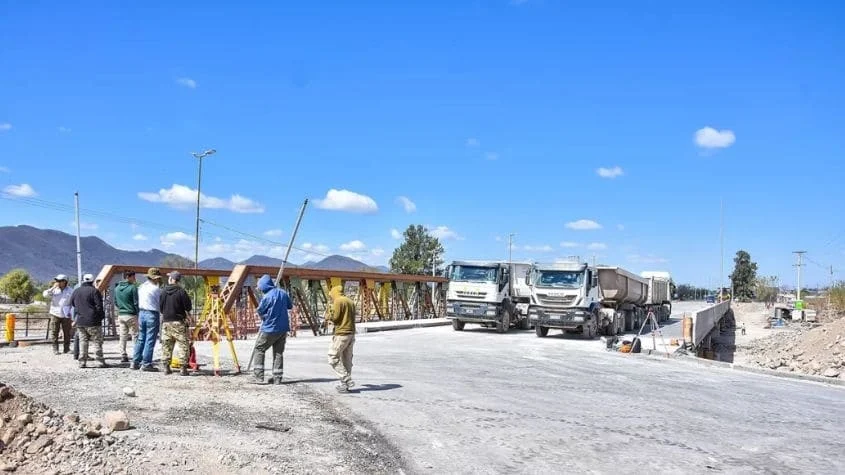
The project is characterized by its technical complexity and the scale of its earthworks. To date, the construction team has successfully utilized over 33,000 cubic meters of soil and more than 2,000 cubic meters of high-resistance concrete. This substantial investment of raw materials underscores the government’s commitment to durability and safety in a region prone to varying seasonal climatic conditions.
Strategic Highlights of the Infrastructure:
- Rotunda Integration: A centerpiece of the project is the new concrete roundabout at the main access point. This structure is currently undergoing final installations, including advanced LED lighting systems and both horizontal and vertical signage, ensuring modern safety standards for tourists and local commuters alike.
- Interchange Success: The concrete interchange located between kilometers 1.9 and 2.5 is now structurally complete. Currently, the project is in the final phase of equipping this junction with the necessary safety features to handle increased vehicular flow.
- Hydraulic and Perimeter Works: To ensure the longevity of the road, the project includes the installation of over 150 linear meters of drainage culverts. Furthermore, the installation of perimeter fencing is currently at 90% completion, clearly delineating the public space and ensuring road safety by preventing the entry of livestock onto the new pavement.
Chronology and Progress: Navigating the Phases of Development
The development of the Cruz del Eje Perilago road follows a strictly staged timeline, designed to minimize disruption to the local community while maximizing operational efficiency.
Early Phases: The initial phase focused on site clearance, the establishment of a dedicated quarry to provide high-quality fill material, and the mass movement of earth to prepare the sub-base. The activation of a local soil quarry has proven to be a strategic decision, allowing for a steady supply chain and reducing the environmental footprint of material transportation.

Current Status: As of the latest report, the project is moving steadily at a 44% overall completion rate. The most significant recent milestone was the completion of the concrete interchange, a key junction that will serve as the primary gateway to the perimeter road.
Ongoing Efforts: Current activity is heavily concentrated at the intersection leading toward San Marcos Sierras. This segment currently reports a 29% completion rate. The work here involves the intensive construction of a new, reinforced roadbed capable of withstanding the projected increase in heavy vehicle transit and tourist buses.
Supporting Data: Technical Specifications and Resource Management
To appreciate the magnitude of this development, one must look at the technical requirements of the project. The provincial engineering team has been tasked with managing a complex logistical operation that balances construction speed with structural integrity.
The choice of concrete over asphalt for key junctions like the roundabout and the interchange is a deliberate design choice intended to handle the high shear stress caused by turning vehicles. With over 2,000 cubic meters of concrete poured, the project is effectively building for the next several decades.
The management of the soil quarry—a crucial component of the project—has allowed the engineering team to optimize the "cut and fill" balance of the terrain. By utilizing 33,000 cubic meters of earth, the project has successfully leveled the natural topography to meet the strict safety gradients required for modern tourist roads. The logistical coordination of these materials, while maintaining the flow of traffic on existing paths, remains a testament to the project’s management capabilities.

Official Perspectives: The Vision Behind the Concrete
The Cruz del Eje Perilago project is not an isolated event; it is a cornerstone of the "Plan Integral de Promoción y Desarrollo Regional del Perilago de Cruz del Eje" (Comprehensive Plan for the Promotion and Regional Development of the Cruz del Eje Perilago).
Government officials have repeatedly emphasized that this road is designed to act as an economic catalyst. By facilitating easier access to San Marcos Sierras, the project effectively links two major tourist hubs. This connection is expected to increase the average stay duration of visitors, as the ease of travel encourages "circuit tourism," where visitors can move seamlessly between the dam’s recreational areas and the cultural offerings of the nearby town.
From an official standpoint, the project serves three primary pillars:
- Safety: Replacing dirt roads with paved, signed, and illuminated circuits reduces accident risks, particularly during the rainy season when unpaved surfaces become hazardous.
- Logistics: The road allows local producers to transport goods from the periphery of the dam to the main commercial routes more efficiently, lowering overhead costs for small-scale agribusinesses in the area.
- Tourism: Improving the "curb appeal" and accessibility of the Perilago is essential to compete with other tourist destinations in the province of Córdoba, which is one of Argentina’s most visited regions.
Implications: A New Era for Cruz del Eje
The ripple effects of this infrastructure project are expected to be felt for years to come. By formalizing the road network, the local government is creating a foundation upon which private investment can flourish. Developers, hospitality providers, and eco-tourism operators are already looking at the area with renewed interest, anticipating the influx of visitors once the project reaches its 100% completion milestone.
Economic and Social Impact
The most immediate impact will be felt by the residents of San Marcos Sierras and Cruz del Eje. For these communities, the road is a link to better services, faster emergency medical response times, and increased employment opportunities. The "perilago" (the area surrounding the dam) has historically been a beautiful but somewhat inaccessible region. By effectively "unlocking" this geography, the provincial government is democratizing access to natural assets.

Furthermore, the environmental considerations are being balanced with the construction. The use of drainage systems and perimeter fencing ensures that the road does not disrupt local ecosystems or cause erosion—a common problem with poorly planned roads in hilly, dam-adjacent terrain.
Future Outlook
As the project moves into its second half, the focus will shift from heavy earthworks to surfacing, final landscaping, and the integration of tourist-friendly features. The completion of the road will not just signal the end of a construction cycle, but the beginning of a new chapter for regional development. By investing in this infrastructure, the province of Córdoba is demonstrating a clear strategy: that long-term prosperity is best achieved through the deliberate, professional, and consistent improvement of the public thoroughfares that connect its people and its potential.
In conclusion, the Cruz del Eje Perilago road represents the intersection of civil engineering and strategic regional planning. As the project pushes toward its final stages, it stands as a clear example of how targeted public works can transform the economic and social fabric of a community, turning a once-isolated reservoir into a vibrant hub for tourism and local commerce.