Introduction: The Daily Pulse of the Sol
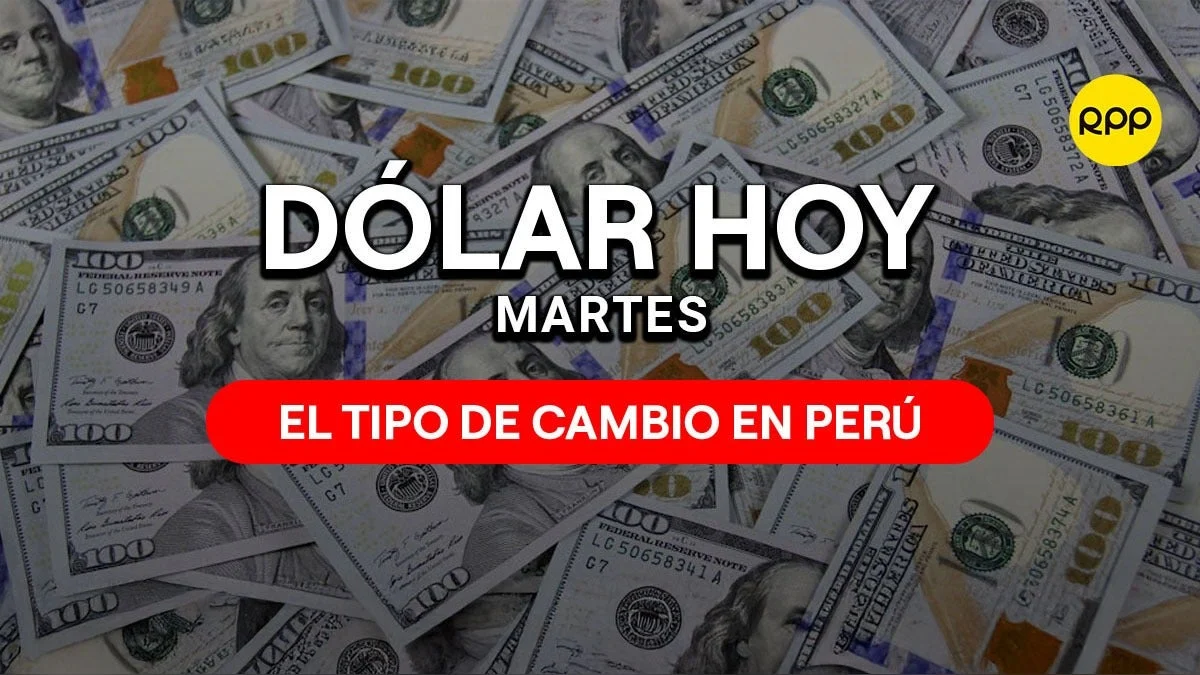
In the complex ecosystem of global finance, the daily valuation of the U.S. dollar against the Peruvian sol serves as a critical barometer for the health of the national economy. As of Tuesday, September 8, the Central Reserve Bank of Peru (BCRP) has set the official exchange rate at S/3.36. While this figure provides a snapshot of the current market standing, it represents far more than a simple numerical conversion; it is the culmination of intricate domestic policies, global geopolitical shifts, and the relentless pressure of supply and demand. For businesses, investors, and everyday citizens, understanding the mechanics behind this fluctuation is no longer a luxury—it is a financial necessity.
The Mechanics of Fluctuation: Why the Dollar Moves
The value of the dollar in Peru is far from static; it is a living, breathing entity governed by the foundational principles of market economics. The exchange rate is primarily determined by the interaction between supply and demand within the foreign exchange market.
The Law of Supply and Demand
When a large volume of market participants seeks to acquire U.S. dollars—whether to hedge against local economic uncertainty, fund international business ventures, or settle foreign debt—the scarcity of the currency drives its price upward. Conversely, when the market is saturated with dollars or when domestic interest in foreign currency wanes, the price tends to retreat.
The Role of External Factors
The Peruvian sol does not exist in a vacuum. It is deeply sensitive to global macroeconomic variables, most notably the monetary policies enacted by the U.S. Federal Reserve. When the Federal Reserve adjusts its interest rates, it sends ripples through emerging markets like Peru. A higher interest rate in the United States often attracts global capital back to the U.S. dollar, strengthening it against local currencies. Furthermore, global inflation rates, commodity prices (particularly copper, Peru’s primary export), and foreign direct investment (FDI) play pivotal roles in determining whether the sol gains or loses ground.
A Chronological Perspective: The Evolution of the Exchange Rate
To appreciate the significance of the S/3.36 rate, one must look at the broader timeline of Peru’s monetary history.
The Era of Stability
Following the hyperinflationary crises of the late 1980s, Peru implemented a series of structural reforms in the 1990s that established the independence of the Central Reserve Bank. This move was instrumental in anchoring inflation expectations and stabilizing the exchange rate. Over the last two decades, Peru has transitioned from a highly volatile currency environment to one characterized by relative predictability.
The Impact of Recent Global Shocks
In recent years, the exchange rate has faced unprecedented pressure from global events. The pandemic-induced economic contraction, followed by global supply chain disruptions and inflationary spikes, forced the BCRP to intervene more frequently in the currency markets. By observing the trajectory of the dollar over the last five years, economists can identify patterns of resilience; despite political turbulence and global health crises, the BCRP’s policy of "managed floating" has prevented extreme spikes, ensuring that the sol remains one of the most stable currencies in Latin America.
Supporting Data and Economic Indicators
A comprehensive analysis of the exchange rate requires an examination of the macroeconomic indicators that sustain it.
The Trade Balance and Export Performance
Peru’s trade balance is a primary driver of dollar liquidity. As a major exporter of minerals, the influx of dollars from mining operations significantly bolsters the supply side of the exchange market. When copper prices soar on the London Metal Exchange, the Peruvian sol typically appreciates, as mining companies exchange their dollar earnings for soles to cover domestic operational costs.
Inflationary Pressures
The BCRP utilizes its inflation-targeting framework to maintain price stability. Because many imported goods in Peru—from fuel to technology—are denominated in dollars, a sharp depreciation of the sol can lead to imported inflation. Therefore, the BCRP monitors the exchange rate closely to ensure that currency volatility does not undermine the purchasing power of the average Peruvian household.
Official Responses and Monetary Strategy
The Central Reserve Bank of Peru is not a passive observer of these market fluctuations. It employs several tools to ensure the orderly functioning of the foreign exchange market.
The Managed Floating System
Unlike a fixed exchange rate, where the government pegs the currency to a specific value, Peru utilizes a "managed float." This means that while the market determines the rate, the BCRP intervenes by buying or selling dollars to mitigate excessive volatility. These interventions are strategic; they are not intended to "fix" the price, but rather to prevent "jumpy" or speculative movements that could damage economic confidence.
Monetary Policy and Interest Rates
The BCRP’s benchmark interest rate is another critical tool. By raising interest rates, the central bank can make the sol more attractive to investors, thereby increasing demand for the local currency. Conversely, lowering rates can stimulate economic activity during periods of stagnation. The synergy between interest rate policy and exchange rate management is the backbone of Peru’s fiscal credibility.
Implications: Who is Affected and How?
The fluctuations in the exchange rate have direct, tangible consequences for various sectors of the economy.
For Importers and Businesses
For companies that rely on importing raw materials or finished goods, the exchange rate is the single most important variable in their profit-and-loss statements. A rise in the dollar from S/3.30 to S/3.40 can erode profit margins significantly if those costs cannot be passed on to the consumer. Consequently, many businesses utilize financial derivatives and forward contracts to hedge against currency risk.
For the Individual and Consumer
For the average citizen, the impact is felt at the supermarket and the gas pump. Since fuel prices are tied to international dollar-denominated prices, a weaker sol translates to higher transportation costs, which in turn fuels inflation across the board. For those looking to travel abroad, the exchange rate dictates the affordability of their international plans.
Protecting Savings
Financial literacy regarding currency risk has grown in Peru. Many citizens opt to hold a portion of their savings in dollars as a "safe haven" strategy during periods of political or economic uncertainty. Understanding the historical trends of the exchange rate allows individuals to make informed decisions about when to diversify their asset portfolios.
Future Outlook: Navigating Uncertainty
Looking ahead, the stability of the sol will depend on a delicate balance of internal and external factors. As the global economy continues to grapple with the aftermath of geopolitical tensions and evolving monetary policies in the West, Peru must maintain its fiscal discipline to keep the sol attractive to international investors.
Political Stability as a Cornerstone
Economic indicators are rarely separated from political reality. Foreign investment, which provides the dollar liquidity necessary to keep the exchange rate stable, relies on the perception of legal security and political predictability. Continued efforts to bolster institutional strength will be paramount in maintaining the confidence of the markets.
The Digital Shift and Future Trends
As the world moves toward digital finance, the BCRP is also exploring new frontiers in monetary policy, including the potential for digital currencies. While these technologies are still in their infancy, they represent the future of how nations will manage currency, liquidity, and trade in the decades to come.
Conclusion: A Call for Informed Participation
The exchange rate of S/3.36 is more than a data point on a screen; it is the result of the complex, ongoing negotiation between global markets and the Peruvian economy. Whether you are a business leader, an investor, or a consumer, the ability to interpret these fluctuations is an essential skill in the modern world. By staying informed, understanding the underlying factors, and respecting the role of central bank policy, stakeholders can better navigate the currents of the global economy, ensuring that their financial decisions are as resilient as the currency they use.
In the final analysis, the Peruvian sol remains a resilient currency, backed by sound monetary policy and a strategic approach to market management. As we look toward the future, the lessons learned from past volatility will continue to serve as a guide, ensuring that Peru remains a competitive and stable player in the international arena.