Executive Summary: A Period of Transition
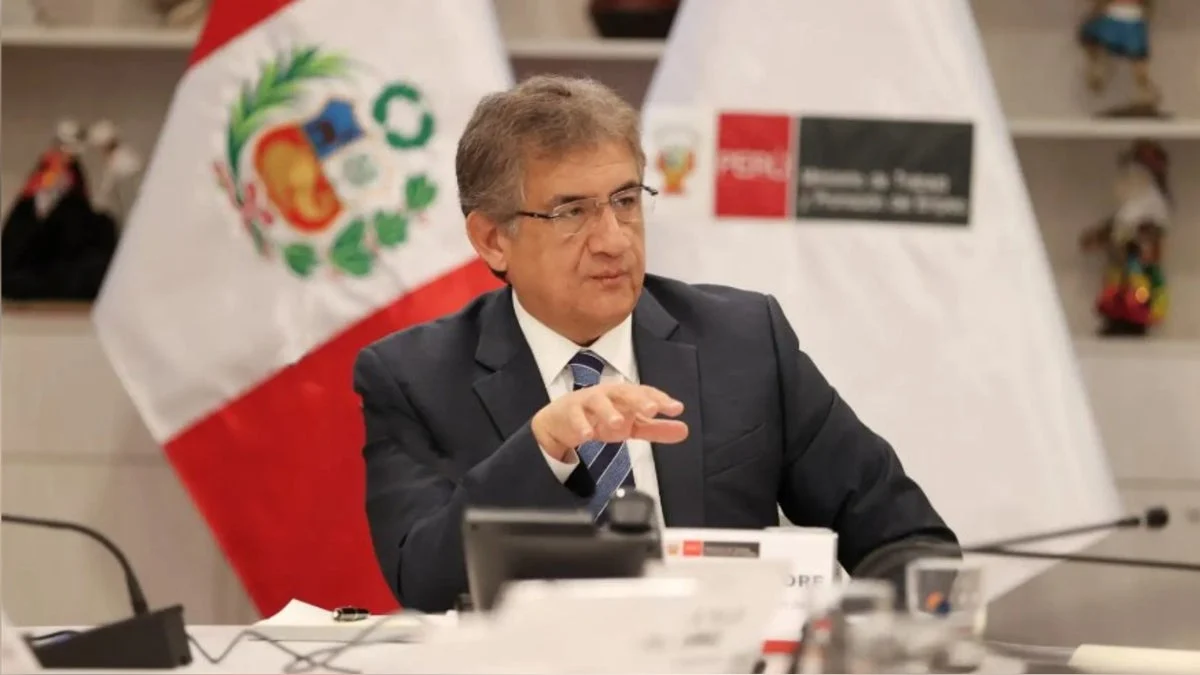
The Peruvian security landscape is undergoing a significant administrative and operational transformation. Minister of the Interior César Astudillo recently confirmed critical adjustments within the upper echelons of the National Police of Peru (PNP) and outlined a new, multi-layered strategy for managing the country’s volatile penitentiary system. Following a high-profile mega-operation in the district of Santa Anita, the Minister addressed the media to clarify the transition timeline for the PNP’s Commandancy General and the specific division of labor between the police, the Armed Forces, and the National Penitentiary Institute (INPE).
As the government grapples with rising crime rates and internal security challenges, these measures reflect a broader push to integrate military support into civilian security frameworks, signaling a robust—and perhaps controversial—shift in how the state manages crisis zones.
Chronology of the Leadership Transition
The leadership transition within the PNP is set to occur in a highly orchestrated sequence over the next 48 hours. The departure of General Óscar Arriola from the Comandancia General marks the end of a pivotal chapter for the institution, with the government moving swiftly to ensure continuity in command.
The Formal Handover
Minister Astudillo provided a definitive timeline for the transition:
- October 15: General Óscar Arriola will officially enter the "situation of retirement" (situación de retiro), concluding his active service.
- October 16: A formal change-of-command ceremony is scheduled to take place at the Escuela de Oficiales y Suboficiales in Puente Piedra.
- The Incoming Leadership: General Freddy López is confirmed as the successor. His appointment is viewed as a strategic move to stabilize the force, as the government seeks to bolster the operational capacity of the police in the face of mounting public pressure regarding safety.
Observers note that this transition is occurring against a backdrop of internal friction. There have been persistent questions regarding the morale within the ranks, particularly following the removal of previous high-ranking commanders, a situation that Arriola himself recently characterized as a "great loss" for the institution.
The New Security Architecture: Penile Emergencies
A cornerstone of the government’s recent legislative agenda is the declaration of a state of emergency in five of the country’s most dangerous penitentiaries. This policy is designed to curtail the influence of criminal gangs operating from within prison walls, which often orchestrate extortion rings and contract killings in the streets.
Delineating Responsibilities
Minister Astudillo emphasized that the emergency decree does not imply a total takeover of the prisons by the military, but rather a coordinated "layered" approach to security:
- Internal Control (INPE): The primary responsibility for the day-to-day management and internal security of the penal facilities remains strictly with the National Penitentiary Institute (INPE).
- The Military’s Role (External Perimeter): As per the current mandate, the Armed Forces have been deployed to oversee the external perimeters of these facilities. This move is designed to prevent contraband infiltration and ensure that illicit communications or coordination between inmates and outside associates are severed.
- The Police Contingency (Crisis Intervention): The PNP acts as the secondary, tactical layer. According to the Minister, if the INPE is overwhelmed—specifically in scenarios involving mass riots or organized insurrections—the police are authorized to intervene. This protocol draws lessons from the COVID-19 pandemic era, where police intervention in prison environments became a necessary, albeit complex, operational reality.
The Minister’s remarks clarify that the military presence is intended to be "temporal," aimed at neutralizing the current high-risk environment while the state reasserts authority over the correctional infrastructure.
Supporting Data: Security and Resource Gaps
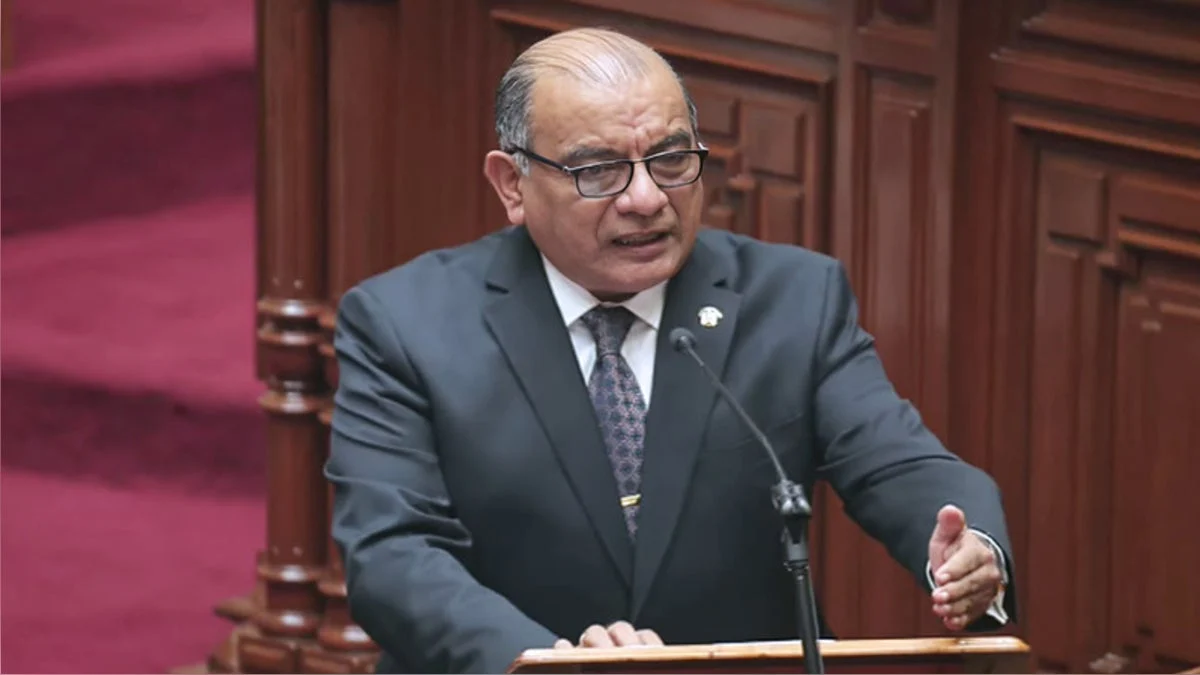
During his presentation before the Senate, Minister Astudillo provided a candid assessment of the current state of the National Police. His testimony was centered on the urgent need for legislative faculties that would allow the Executive branch to bypass standard bureaucratic hurdles to secure funding and logistics for the force.
The "Reality" of the PNP
The Minister outlined several critical areas where the PNP is currently deficient:
- Personnel Shortages: Despite high recruitment efforts, the ratio of officers to the population remains below international standards, leading to overworked units and reduced patrol visibility.
- Logistical Fragility: The Minister highlighted the obsolescence of current equipment, ranging from vehicle fleets to tactical communication gear.
- Technological Gaps: In an era of digitalized crime, the PNP is struggling to keep pace with the sophisticated cyber-tools used by organized criminal syndicates.
By illustrating these gaps to the Senate, the Minister is framing the request for legislative faculties not merely as a power grab, but as a "life-support" measure for a security institution currently stretched to its breaking point.
Official Responses and Political Implications
The government’s decision to involve the military in peripheral prison security has triggered a wider debate regarding the "militarization" of internal security. Critics argue that relying on the Armed Forces to assist in civilian security roles, even in a peripheral capacity, indicates a failure of the national police and the intelligence services to manage the prison system.
Defending the Strategy
Minister Astudillo, however, remains steadfast in his defense of the policy. He argues that the scale of the threat—specifically the nexus between prison-based gangs and urban violence—requires a "whole-of-government" response. He maintains that the justice system, in its current state, is ill-equipped to handle the volume and complexity of the current crime wave, necessitating emergency powers.
Furthermore, the Minister’s dialogue with the Senate suggests a concerted effort by the current administration to build a legislative consensus. By sharing detailed, if concerning, data on the state of the police, the Executive is attempting to shift the burden of responsibility onto the legislature, asserting that failure to approve these measures will directly impact public safety in the coming months.
Analysis: The Road Ahead
As the transition to General Freddy López’s leadership approaches, the focus will undoubtedly shift to the effectiveness of these emergency measures. The success of the "penitentiary emergency" will likely be measured by a tangible decrease in extortion cases in major urban centers. If the military presence at the perimeter fails to stop the flow of illicit information, or if the police remain hampered by their current logistical deficits, the government will face renewed calls for a total overhaul of the Ministry of the Interior.
Conclusion
The coming days will be a litmus test for the administration. With the leadership change in the PNP, the deployment of the military to prison perimeters, and the ongoing push for legislative powers, the Peruvian government is essentially "betting the house" on a more aggressive and integrated security strategy.
The public remains skeptical, as trust in the justice system and law enforcement has hit historic lows. However, the government’s message is clear: the current status quo is unsustainable, and the combination of structural leadership changes and emergency, inter-agency cooperation is the only viable path to restoring order. Whether these tactical maneuvers translate into a safer reality for the citizens of Peru remains the most pressing question in the nation’s current political climate.