In a concerted effort to address the national housing deficit and foster social equity, the Government of Ecuador has accelerated the rollout of its flagship social housing program, "Casa 100." The initiative, which is currently making significant strides in the Engabao sector of General Villamil (Playas), represents a cornerstone of the administration’s strategy to provide dignified, safe, and fully subsidized living spaces for the country’s most vulnerable populations. By focusing on families who already possess legal title to their own land, the government is effectively removing the greatest barrier to homeownership: the prohibitive cost of construction.
Main Facts: A Commitment to Dignified Living
The project in Engabao is not merely a collection of houses; it is a meticulously planned community development project designed to uplift the standard of living for dozens of families. Currently, the initiative involves the construction of 87 state-funded, free-of-charge residential units. These homes are designed to meet modern structural requirements while ensuring accessibility for all, including those with disabilities.
The technical specifications of these units are a testament to the government’s focus on long-term durability and safety. Each home is constructed using a high-efficiency industrialized, seismic-resistant muro-portante (load-bearing wall) system. This ensures that the structures can withstand the tectonic activity prevalent in the region while maintaining a rapid construction timeline. Inside, every unit provides a comprehensive living space that includes three bedrooms, a living room, a dining area, a kitchen, and a dedicated laundry area. Furthermore, each home is equipped with integrated water and sanitation kits, ensuring that residents have immediate access to essential utilities—a critical factor in public health and sanitation.
Chronology of Development: From Groundbreaking to Completion
The implementation of the Casa 100 project in the Guayas province is structured into two distinct phases, carefully phased to ensure consistent employment and progress.
Phase One: The Foundation
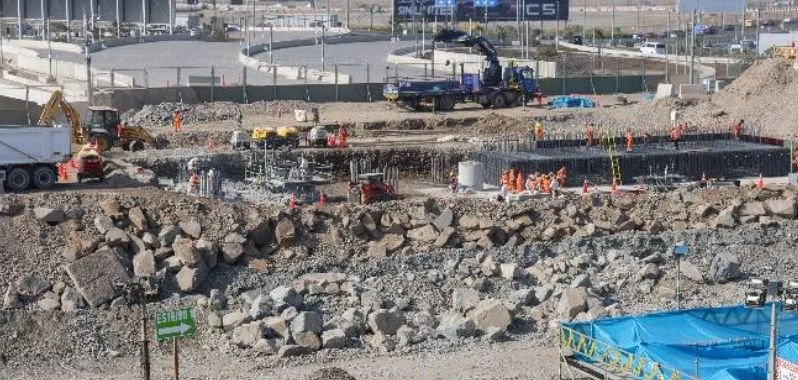
The first group of this initiative consists of 28 residential units. With a total investment exceeding US$ 663,000, this initial phase has already begun to transform the local landscape of Engabao. As of the latest project reports, the construction status is as follows:

- 15 units: Currently in the vertical construction phase, where the structure and walls are being finalized.
- 13 units: Progressing through the platform casting (fundición de plataformas) phase, laying the literal foundation for future families.
Phase Two: Expansion and Scaling
Building on the momentum of the first group, the second phase is significantly more ambitious, encompassing 59 housing units. This secondary rollout represents an investment of US$ 1.39 million. This phase is designed to amplify the social impact of the project, with a completion deadline set for December 2026. The synchronization of these two phases ensures that the construction industry in the region remains robust, providing a steady stream of work for local contractors and laborers.
Supporting Data: Economic and Social Impact
The "Casa 100" program serves a dual purpose: it acts as a poverty alleviation tool and an economic stimulus package. In an economy where the construction sector is a vital engine for growth, the impact of these 87 homes in Engabao is significant.
Employment Generation
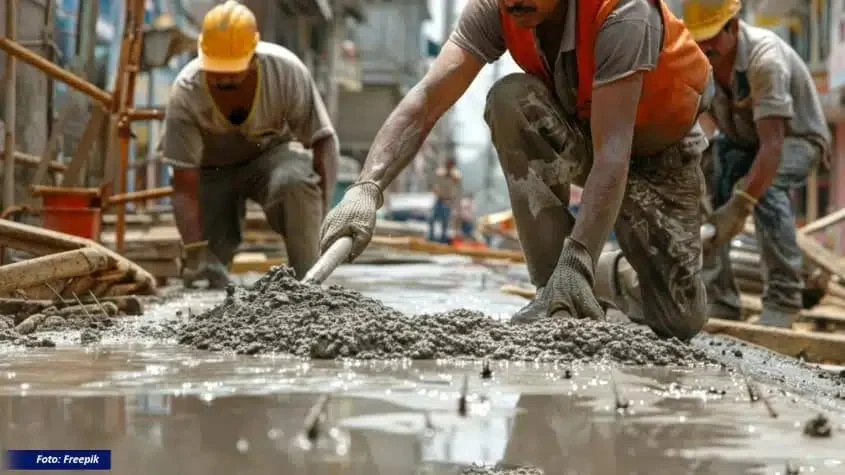
The project is a significant source of local job creation. The first group of 28 homes has successfully generated 84 direct jobs, ranging from masonry and carpentry to site management. The second, larger group of 59 homes has created 177 jobs, bringing the total employment generated by this specific project to 261 local positions. By prioritizing local labor, the government is ensuring that the investment dollars circulate back into the Engabao community, strengthening the local economy.
National Reach
While the Engabao project is a vital microcosm of the program, the scale of the Casa 100 initiative is far broader. Within the province of Guayas alone, the program aims to provide housing solutions for approximately 2,430 individuals. Looking at the country as a whole, the administration has committed to the construction of 14,157 fully subsidized, free-of-charge homes. This nationwide effort represents one of the most aggressive social housing policies in contemporary Ecuadorian history.
Official Perspectives and Government Strategy
The strategy behind the Casa 100 program is rooted in the "subsidy-first" philosophy. Government officials have emphasized that by targeting families who already own land, the state avoids the lengthy and often litigious process of land acquisition, thereby allowing capital to be directed entirely toward the quality of the building materials and the speed of construction.

The Ministry of Housing and Urban Development (MIDUVI) has indicated that the "industrialized construction" approach is not a shortcut, but a technological upgrade. By utilizing standardized, high-quality components that are factory-prepared and assembled on-site, the government reduces waste, minimizes human error, and ensures that every house meets the exact same high standards of safety and sustainability.
Furthermore, the integration of "accessibility universal" criteria means that these homes are future-proofed. As the population ages, the design ensures that individuals with limited mobility can continue to live independently, reducing the long-term social burden on families and the state.
Implications: The Long-Term Future of Ecuadorian Housing
The ongoing construction in Engabao provides a clear glimpse into the future of social housing in Ecuador. The implications of this project are multi-faceted:
1. Closing the Housing Gap
Ecuador, like many nations in Latin America, faces a significant deficit in quality housing. The "Casa 100" model addresses this by providing a finished, ready-to-live-in product. This moves beyond the outdated "site-and-service" models of the past, where families were given land but left to build their own homes over many years. Providing a finished home allows families to focus their resources on education, health, and economic stability rather than the perpetual stress of incomplete construction.
2. Resilience and Climate Adaptation
The use of seismic-resistant technology is not a luxury; it is a necessity in the Ecuadorian landscape. By mandating these standards, the government is reducing the future liability of the state. Homes that are built to withstand natural disasters are less likely to require emergency reconstruction, creating a more stable social fabric in the long term.

3. Sustainable Urbanization
By providing kits for water and sanitation, the project also tackles the infrastructure gap in rural and peri-urban areas. When families are equipped with proper sanitation, the incidence of water-borne illnesses drops, and the environmental footprint of these new settlements is managed more effectively.
4. Economic Multiplier Effect
The investment of over US$ 2 million in the Engabao sector alone demonstrates the government’s willingness to commit significant fiscal resources to infrastructure. This creates a "multiplier effect"—as construction workers earn wages and purchase goods, and as families move into their new homes and begin to participate more fully in the local economy, the entire region benefits.
Conclusion: A Vision for 2026 and Beyond
As the deadline of December 2026 approaches for the completion of the Engabao housing groups, the project stands as a benchmark for public policy efficiency. The transparency in the investment figures, the clarity of the construction phases, and the commitment to labor-intensive, local-impact strategies provide a roadmap for other provinces to follow.
For the 87 families in Engabao, these houses represent more than just walls and a roof; they represent the end of housing insecurity and the beginning of a stable future. As the government continues to work toward its goal of over 14,000 homes nationwide, the "Casa 100" program is clearly positioned to remain a vital pillar of the Ecuadorian national development agenda, proving that with the right application of technology, investment, and social policy, the dream of homeownership is attainable even for the most vulnerable citizens.
The progress in General Villamil serves as a tangible promise—one that is being built, brick by brick, to ensure that no family is left behind in the pursuit of a dignified life.