The landscape of mobile computing is undergoing a tectonic shift. For years, the smartphone has acted primarily as a gateway—a window through which users accessed the power of cloud-based servers to perform complex tasks. However, as generative artificial intelligence (AI) becomes an integral part of our digital lives, the industry is moving toward a new paradigm: "On-device AI."
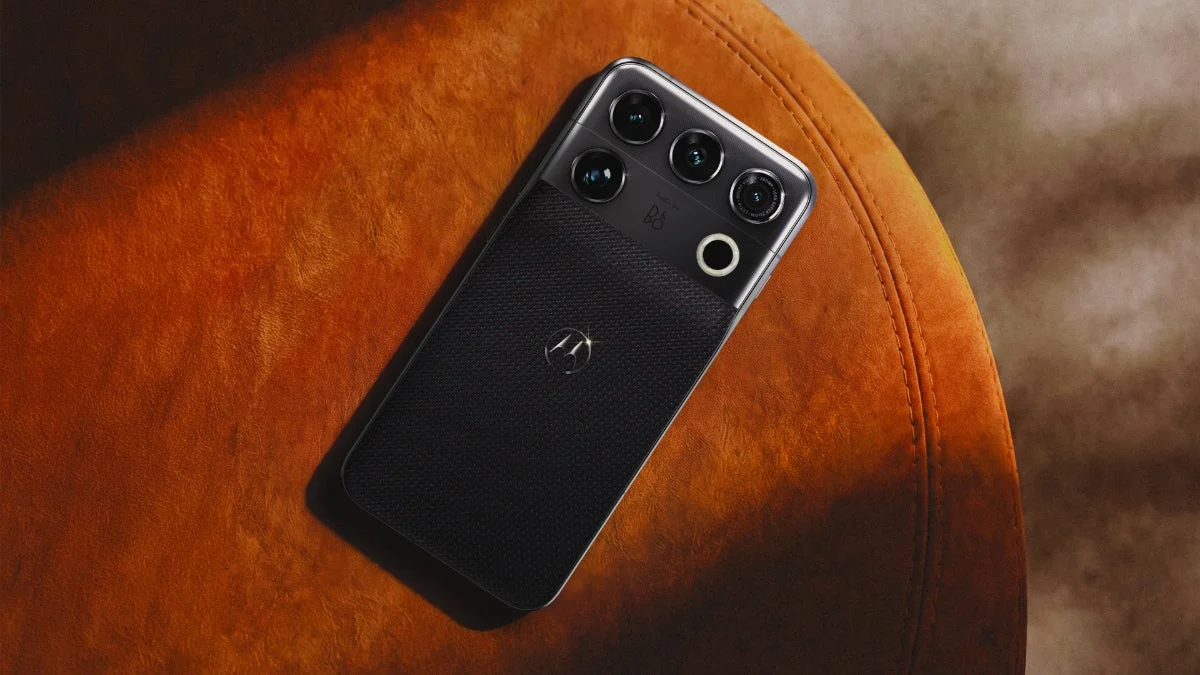
At this year’s highly anticipated Snapdragon Summit, Qualcomm officially unveiled its next-generation mobile platforms, the Snapdragon 8 Elite Gen 6 and the Snapdragon 8 Elite Extreme Gen 6. These chips represent more than just a speed boost; they are sophisticated neural architectures designed to bring the brainpower of the data center directly into the palm of your hand. To showcase the potential of this technology, Motorola took the stage to announce the Signature 27, one of the first flagship devices to harness the raw power of the Extreme variant.
The Core Transformation: AI Moves to the Edge
The fundamental promise of the new Snapdragon 8 Elite series is the relocation of heavy computational tasks from remote servers to the device itself. Traditionally, when a user asks a smartphone to summarize a long document or generate a creative image, the device sends that data to the cloud, waits for a response, and displays the result. This creates latency, raises privacy concerns, and requires a constant internet connection.
Qualcomm’s new architecture changes this dynamic. By leveraging the updated Hexagon Neural Processing Unit (NPU) and the Qualcomm Sensing Hub, these processors can handle complex "AI Agents." These are not merely chatbots; they are sophisticated systems capable of maintaining long-term context, interpreting multi-modal information (voice, audio, and visual sensors), and executing multi-step tasks autonomously.
The Power of Localized Processing
By keeping data local, the Snapdragon 8 Elite series offers three distinct advantages:
- Privacy: Sensitive personal information never leaves the device.
- Latency: AI responses are nearly instantaneous, as there is no round-trip delay to a server.
- Reliability: Essential AI features remain fully functional in environments with poor or no connectivity.
Chronology: A Roadmap to the 2-Nanometer Future
The journey to the Snapdragon 8 Elite series began years ago with the refinement of the Qualcomm Oryon CPU and Adreno GPU architectures. However, the 2026 summit marked a specific milestone in semiconductor engineering.
- Q3 2024–2025: Qualcomm finalized the design of its 2-nanometer manufacturing process, focusing on power efficiency and thermal management.
- September 2026 (Snapdragon Summit): Qualcomm officially pulls the curtain back on the 8 Elite Gen 6 and 8 Elite Extreme Gen 6, signaling a departure from previous naming conventions and a pivot toward AI-native design.
- Late 2026: Initial rollout of commercial devices begins, with manufacturers like Motorola, Xiaomi, and OPPO leading the charge.
- 2027 and Beyond: Industry analysts expect the "AI-first" architecture to become the standard for all premium-tier mobile devices, moving from niche flagship features to baseline utility.
Technical Specifications and Supporting Data
Both the 8 Elite Gen 6 and its Extreme counterpart are built on a cutting-edge 2-nanometer manufacturing process, allowing for a higher density of transistors, which translates to better performance-per-watt.

Snapdragon 8 Elite Extreme Gen 6: The Heavyweight
The Extreme variant is designed for users who demand maximum performance, particularly in high-end gaming and creative production. Key technical features include:
- Adreno Neural Fusion: A proprietary system that uses AI to perform real-time super-resolution and frame generation in video games, effectively boosting visual fidelity without compromising frame rates.
- Advanced Professional Video (APV): Allows for 8K capture at 60fps and 4K at a staggering 240fps. The Extreme chip is capable of handling professional-grade color grading and video rendering directly on the device.
- Mixture of Experts (MoE) Architecture: A clever method where the AI model only activates the necessary "parameters" or "experts" for a specific task, saving battery life while maintaining high performance.
Connectivity Milestones
Both chips integrate the Qualcomm X105 5G Modem-RF system, which boasts a theoretical maximum download speed of 14.8 Gbps. While real-world network speeds will vary based on carrier infrastructure, this sets a new benchmark for future-proofing mobile devices against the next wave of 5G Advanced deployments.
Motorola Signature 27: A Flagship Built for the Future
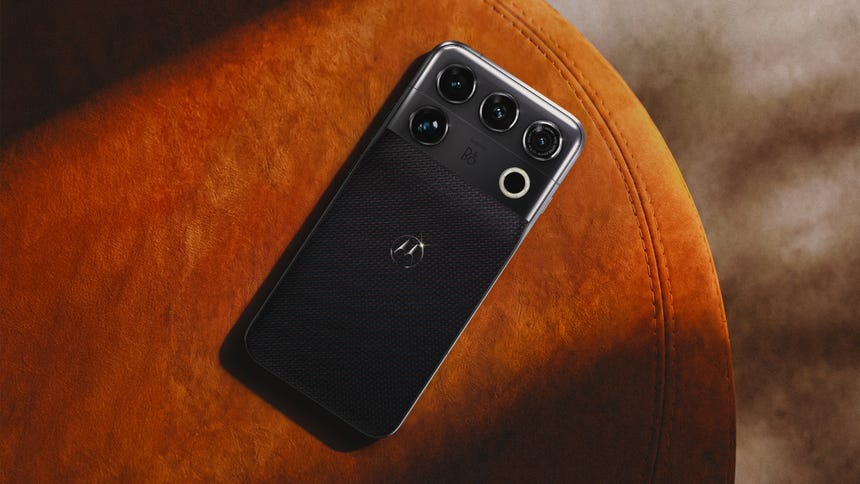
Motorola’s announcement of the Signature 27 provided a tangible look at how these processors will function in a consumer product. Designed as a direct successor to the premium Signature line, the device is a testament to the cooling and thermal challenges of high-performance AI.
Engineering the "ArcticMesh"
Because the Snapdragon 8 Elite Extreme generates significant heat during heavy NPU workloads, Motorola has introduced the ArcticMesh cooling system. This consists of:
- Liquid Metal and Copper Mesh: To rapidly dissipate heat from the chipset.
- Diamond Particles: Infused into the thermal gel to increase heat conductivity.
- 40% Larger Vapor Chamber: A significant physical upgrade over the previous generation to ensure sustained peak performance during long AI-rendering or gaming sessions.
Camera and Software Integration
The Signature 27 features a 50MP Sony LYTIA 910 main sensor paired with a 200MP periscope telephoto lens. However, the hardware is only half the story. The device will ship with deep integration of Google’s Gemini AI. Users will be able to perform advanced creative tasks, such as generating video sequences from simple text prompts or creating custom musical scores for their home videos, all powered by the local NPU.
Official Perspectives and Industry Implications
Qualcomm’s leadership at the Summit emphasized that this is not just about making phones "faster." It is about changing the fundamental utility of the mobile device.
"We are moving from a world where the phone is a tool, to a world where the phone is an intelligent companion," noted a Qualcomm spokesperson during the keynote. By enabling the Mixture of Experts model on a mobile device, Qualcomm has effectively brought desktop-class AI capabilities to a form factor that fits in a pocket.
The Competitive Landscape
The race to integrate AI has effectively created a new "arms race" among mobile manufacturers. With companies like Motorola, HONOR, iQOO, OnePlus, OPPO, REDMI, RedMagic, vivo, and Xiaomi already committed to the new Snapdragon platforms, the market is set to see a surge in "AI-native" smartphones.
The Implications for Consumers
For the average consumer, this transition will be gradual but profound. Initially, the difference will be felt in smoother gaming, sharper photography, and a more responsive digital assistant. As software developers begin to build applications that specifically leverage the Snapdragon 8 Elite’s NPU, we will likely see a new category of "local-first" apps that function without the need for cloud subscription fees or data-sharing agreements.
However, challenges remain. Battery longevity, the potential for increased hardware costs, and the need for standardized AI privacy protocols will be the defining issues of the next two years.
Conclusion: The Smartphone as an AI Platform
The introduction of the Snapdragon 8 Elite Gen 6 and the Extreme variant marks the end of the "cloud-only" era of AI. As Motorola’s Signature 27 prepares to hit global markets in 2026, it serves as a herald for a new era.
The smartphone is no longer just a communication device or a media player; it has become a powerful, localized artificial intelligence platform. Whether this shift will lead to a more personalized, private, and efficient user experience remains to be seen, but one thing is certain: the hardware beneath our screens has never been more capable of understanding and anticipating the needs of the user. As we look toward 2026 and beyond, the competition will no longer be fought on clock speed alone, but on how intelligently and securely a device can process the world around it.