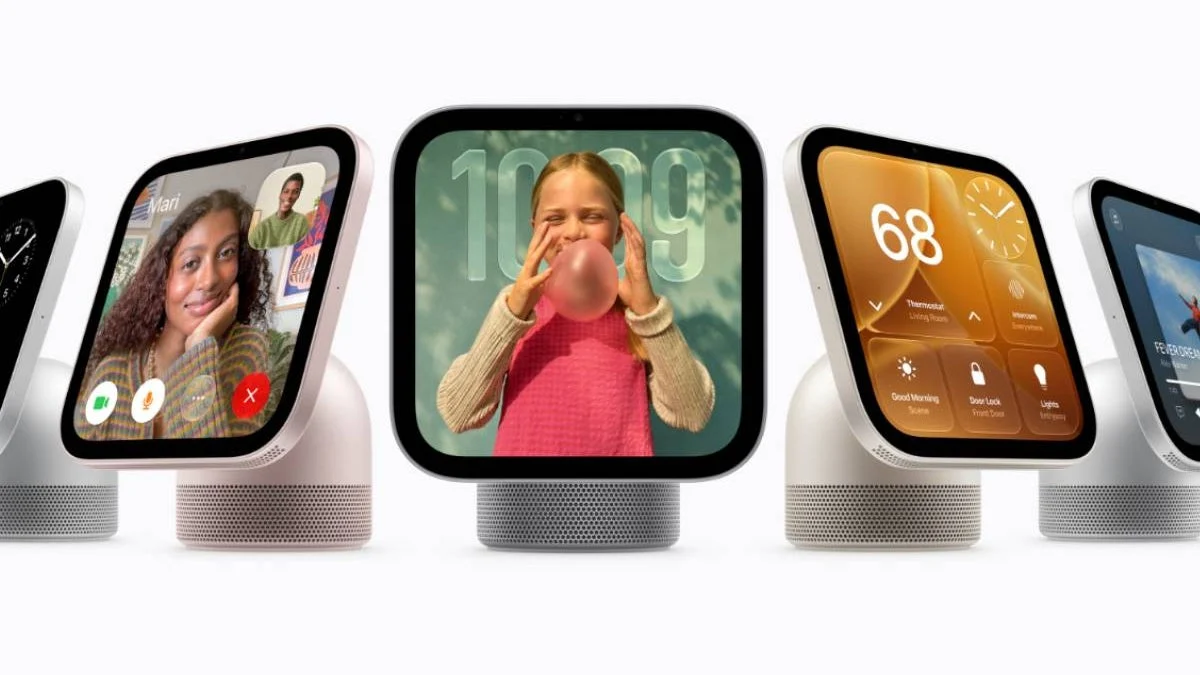
Apple has officially entered the competitive smart display market with the announcement of HomeView, a sophisticated hub designed to act as the central nervous system of the modern household. Unveiled on October 13, this device marks a significant departure for the Cupertino giant, signaling a strategic pivot toward ambient computing and deep integration within the domestic sphere. By leveraging its proprietary silicon and the burgeoning capabilities of Apple Intelligence, the company aims to redefine how users interact with their living spaces.
Main Facts: The Evolution of the Apple Ecosystem
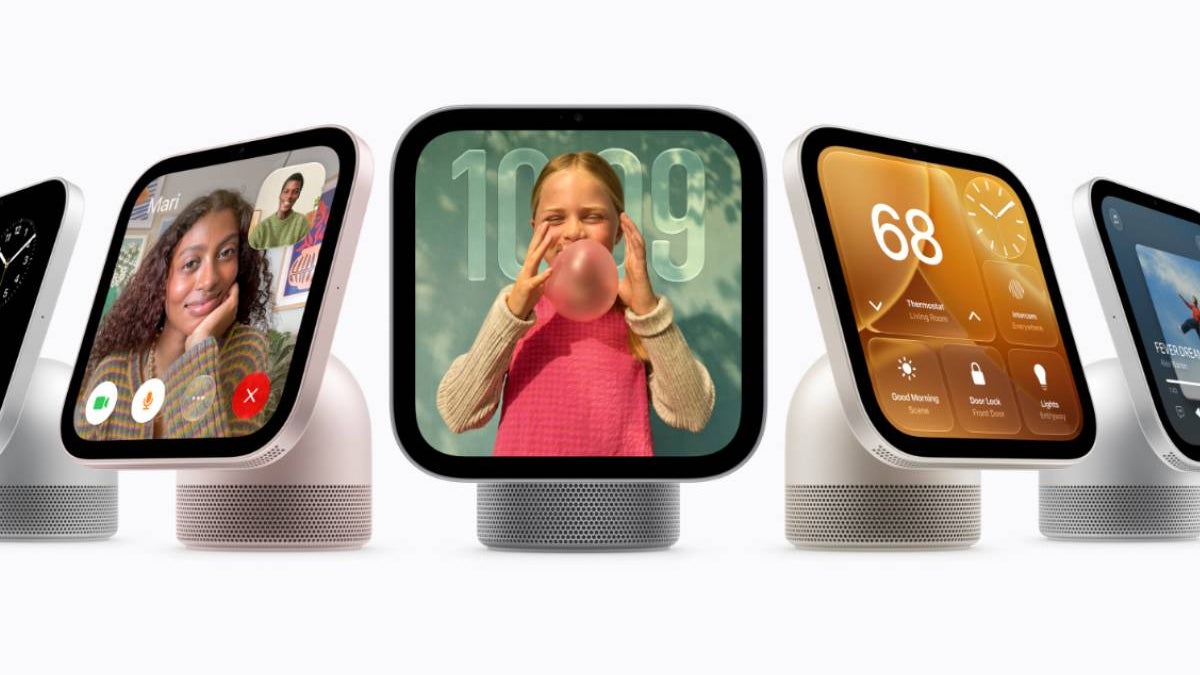
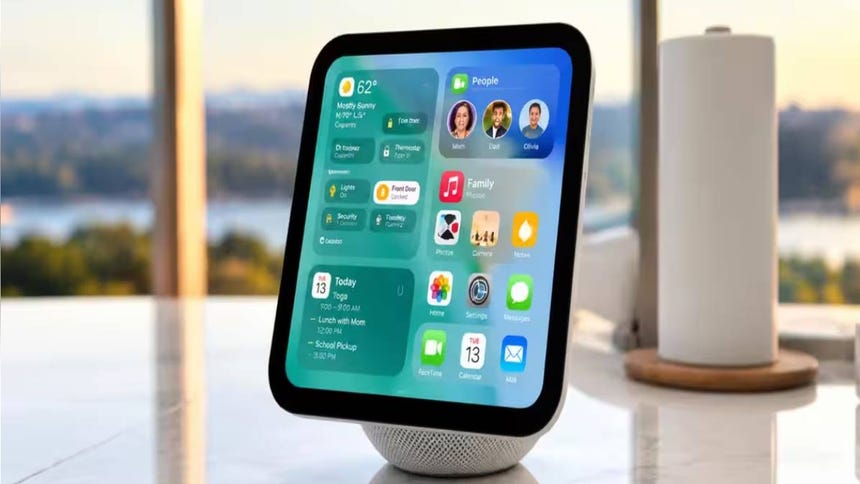
The HomeView is not merely a screen; it is an intelligent interface. Equipped with a 7-inch Liquid Retina display, the device utilizes advanced IPS panel technology to provide a vivid, high-fidelity visual experience. A standout feature is its adaptive brightness system, which scales dynamically from a crisp 500 nits—perfect for well-lit kitchens or living rooms—down to a subtle 0.3 nits, ensuring it serves as a non-intrusive companion on a bedside table.
At its core, the device is powered by the A18 chip, the same powerhouse architecture found in Apple’s flagship mobile devices. This provides the processing overhead required to run complex machine learning tasks locally, ensuring privacy and speed. By keeping Apple Intelligence processing on-device, HomeView minimizes latency, allowing Siri to respond to commands with unprecedented contextual awareness.
Beyond its computing power, the hardware design reflects Apple’s commitment to premium aesthetics. The device features a distinct, domed aluminum base coupled with a precision-engineered stainless steel hinge, allowing users to tilt the screen to their preferred viewing angle. It will launch in four sophisticated colorways: Silver, Starlight, Pink, and Space Gray.
Chronology: The Road to HomeView
The development of HomeView follows years of speculation regarding Apple’s intentions in the smart home sector.
- Early 2024: Industry analysts begin reporting on a "tablet-like" device optimized for mounting on walls or sitting on surfaces, intended to compete with existing smart displays.
- Summer 2026: Apple confirms the integration of generative AI across its hardware ecosystem, setting the stage for a new class of "intelligent" home appliances.
- September 2026: Apple expands its financial services and connectivity tools, such as Tap to Pay, signaling a focus on simplifying user-facing technology.
- October 13, 2026: Official global announcement of the HomeView.
- November 13, 2026: Scheduled date for initial consumer deliveries.
This trajectory suggests that Apple has been methodically building the software and silicon infrastructure required to support a device as complex as the HomeView.
Supporting Data and Technical Specifications
The HomeView is designed to be a multi-user device. Its ability to recognize up to six distinct family members via biometric and behavioral profiles allows for a highly personalized experience. When a specific user approaches, the device automatically shifts to their preferred widgets, calendar events, music library, and communication history.
The Power of Center Stage
A significant component of the device is its 12-megapixel ultra-wide camera featuring Apple’s Center Stage technology. This software-driven hardware feature uses the A18 chip to track subjects in real-time, panning and zooming to keep the user perfectly framed during FaceTime calls, even as they move across a room.
Two Form Factors
Apple is launching two distinct configurations to accommodate different home layouts:
- Desktop Version: Features the iconic domed base and adjustable hinge, ideal for desks, countertops, and bedside tables.
- Wall-Mount Version: A streamlined, flat-profile iteration designed to be integrated into home wall structures using proprietary mounting kits, turning the device into a permanent control panel.
Official Responses and Strategic Implications
Industry experts view the launch of HomeView as a direct challenge to the current market leaders. While competitors have focused on voice-first interactions, Apple is betting on visual-first utility combined with AI-driven privacy.
"Apple’s entry into this category is a signal that the ‘Smart Home’ is finally transitioning from a novelty to a necessity," says tech analyst Marcus Thorne. "By placing the A18 chip inside a display, they aren’t just selling a screen; they are selling a secure, local AI agent that lives in your home."
The implications for the smart home market are profound. With the integration of the Apple Home Collection, the HomeView acts as a master controller for lighting, climate, and security systems. Its ability to monitor camera feeds and detect security events in real-time—coupled with the privacy guarantees afforded by on-device processing—addresses the primary consumer concern regarding smart home surveillance.
The Role of Siri AI
The integration of Siri AI is perhaps the most compelling reason for the HomeView’s existence. Unlike previous iterations of voice assistants, the new Siri is contextually aware of the user’s habits. If you arrive home at 6:00 PM every day, the HomeView can proactively offer to turn on the lights or start your favorite playlist.
Furthermore, the "intercom" functionality has been overhauled, allowing users to broadcast messages to specific rooms or devices, or to coordinate family schedules with ease. By centralizing data from iPhones and other linked Apple devices, the HomeView becomes a true domestic orchestrator.
Market Availability and Pricing
The HomeView is positioned as a premium but accessible device, starting at $299.

Apple has opted for a phased rollout strategy. Reservations opened immediately following the event on October 13, with the first units slated to ship on November 13. The initial launch wave is restricted to:
- United States
- Canada
- United Kingdom
- Australia
- Singapore
- India
- New Zealand
- South Africa
This selection of countries indicates that Apple is prioritizing markets with high smart-home penetration and strong Apple ecosystem loyalty.
The Future of Ambient Computing
As we look toward the end of 2026, the launch of the HomeView suggests that the future of technology is not just about what we carry in our pockets, but how we interact with our environment. By blending high-performance hardware with the intuitive nature of Apple Intelligence, the company is effectively lowering the barrier to entry for complex home automation.
Whether you are managing a complex security system, conducting a business call via FaceTime, or simply setting a morning alarm, the HomeView is designed to feel less like a computer and more like a helpful member of the household. As software updates continue to roll out, the capabilities of this device are expected to expand, potentially allowing it to interact with emerging technologies in robotics and home health monitoring.
The HomeView represents a bold step forward. It is the culmination of years of R&D in chip design, privacy-centric AI, and ergonomic hardware. For the average consumer, it offers a glimpse into a seamless, automated future where the home is no longer just a place to live, but an intelligent partner in our daily lives. As the November delivery date approaches, all eyes will be on how this device performs in the real-world conditions of the modern, busy household.
Summary of Specifications
| Feature | Specification |
|---|---|
| Display | 7-inch Liquid Retina, IPS Panel |
| Brightness | 0.3 to 500 nits (Adaptive) |
| Processor | Apple A18 Chip |
| Camera | 12MP Ultra-wide with Center Stage |
| Multi-user | Up to 6 profiles (Personalized) |
| Connectivity | Apple Home Collection / Siri AI |
| Price | Starts at $299 |
| Availability | Nov 13, 2026 (Initial Wave) |
With the HomeView, Apple has effectively signaled that the era of the "dumb" smart home is over. The focus is now on intelligence, privacy, and seamless human-machine interaction, setting a new benchmark for the tech industry to follow.