Executive Summary: The Push for Legislative Delegation
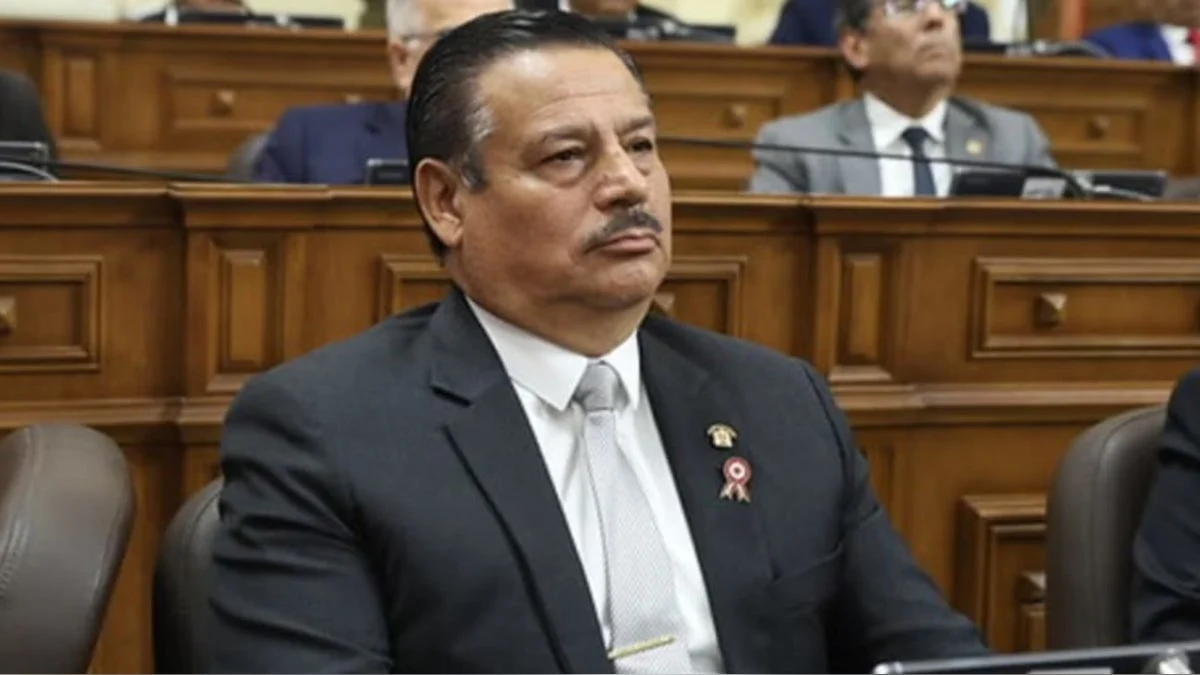
In a landscape defined by sharp political polarization, Senator Daniel Barragán of the "Obras" party has emerged as a pivotal broker in the Peruvian Senate. As the country faces the dual threat of escalating insecurity and the looming environmental impact of the "El Niño" phenomenon, the government’s request for extraordinary legislative powers has become the epicenter of a legislative tug-of-war.
Barragán, speaking to Las Cosas Como Son on RPP, underscored the urgency of the situation, advocating for a pragmatic approach that transcends partisan boundaries. His objective is to shepherd the necessary decrees through the Constitution Committee, a task that requires navigating the rigid demands of both the opposition, led by Fuerza Popular, and the unyielding stances of his coalition partners.
Chronology of the Legislative Standoff
The current debate over the delegation of legislative powers is not a sudden development but the culmination of weeks of parliamentary maneuvering.
- Initial Proposal: The Executive branch formally requested the delegation of powers to address immediate gaps in public safety and disaster preparedness.
- The Committee Phase: The Senate’s Constitution Committee, responsible for reviewing the legality and scope of the request, began deliberations earlier this month. The process has been marked by repeated delays and committee-level disagreements.
- The Fuerza Popular Intervention: Mid-October saw an attempt by Fuerza Popular to expand the scope of the delegated measures, a move that triggered a broader debate on the extent of Executive overreach versus the necessity of swift action.
- Ongoing Negotiations: Throughout the past week, Senator Barragán has engaged in a series of high-stakes meetings with disparate political factions—ranging from the Ahora Nación coalition to Juntos por el Perú—to forge a consensus document capable of securing a majority vote.
Supporting Data: Why the Stakes are High
The legislative urgency is grounded in two primary pillars:
1. The Security Crisis
Data indicates a significant uptick in criminal activity, leading to public pressure on the Ministry of the Interior. The government argues that without the authority to pass specific security-focused decrees, the state remains hampered by bureaucratic hurdles that delay the deployment of resources and the implementation of tougher penal frameworks.
2. Climate Vulnerability
With the El Niño phenomenon expected to bring extreme weather patterns, the government’s request includes provisions for expedited infrastructure repair and emergency procurement. Experts note that delaying these powers could translate into millions of dollars in damages and increased human suffering if critical drainage and housing reinforcements are not completed before the peak of the season.
Official Responses and Political Maneuvering
The path to consensus is riddled with ideological obstacles. Senator Barragán has been vocal about the varying levels of cooperation he has encountered during his recent round of "shuttle diplomacy."
The Call for Pragmatism
Barragán’s message to the opposition, particularly the Fujimorista bloc, is one of national necessity. "We must not implement measures by force," he stated. "We need to ensure that the legislative output reflects the genuine requirements of the population rather than the political ambitions of a specific party."
The "Coalition" Friction
Barragán’s internal coalition—comprising Ahora Nación, Obras, Juntos por el Perú, and Buen Gobierno—is far from monolithic. He noted that while there is a general willingness to cooperate, friction remains:
- The Officialist Stance: Barragán observed a "perceived relaxation" within the government’s own coalition, suggesting that the administration could be more proactive in pushing its own agenda.
- The Hardliners: Conversely, he highlighted that factions within Juntos por el Perú remain entrenched, exhibiting a "no-concession" policy that complicates the drafting of a compromise text.
Internal Conflict: The Interpellation of the Interior Minister
Beyond the legislative powers debate, the Senate is currently embroiled in a separate controversy involving a potential motion to interpellate the Minister of the Interior, César Astudillo. This move, spearheaded by Alfonso López Chau, follows a reported altercation involving Senator Iber Maraví.
Barragán has publicly distanced himself from the call for interpellation. He argued that the political climate is currently too volatile and that the focus should remain on structural governance rather than individual accountability theater.
The "Learning Curve" Argument
In a candid assessment of the current administration’s performance, Barragán offered a nuanced perspective on the difficulties of governance. He compared the current cabinet’s struggles to the historical challenges faced by leaders like Keiko Fujimori, suggesting that theoretical plans often crumble when confronted with the "negative forces" inherent in the corridors of power. "For every position, there is a learning curve," Barragán remarked. "Even with a perfectly written plan, once you sit in the chair, you realize that moving forward requires navigating a complex web of opposing interests."
Implications for the Future of the Senate
The resolution of these issues will have long-term consequences for the legislative branch:
- Institutional Stability: If the Senate fails to approve the delegated powers, the government will likely face a legitimacy crisis, potentially leading to a series of executive-legislative confrontations that could paralyze the country’s administration.
- The Role of Independent Brokers: Barragán’s role signifies a shift toward a more transactional form of politics, where success depends on the ability of individual senators to act as bridges rather than partisans.
- Public Perception: The constant bickering over procedure rather than policy has contributed to a decline in public trust in the Senate. A swift, negotiated resolution is now viewed as the only way for the legislative branch to regain a semblance of credibility.
Conclusion: The Path Ahead
As the week progresses, all eyes remain on the Constitution Committee. Senator Barragán remains cautiously optimistic, maintaining that the "good work" performed by the committee will eventually yield a compromise. However, the window for action is closing. The combination of environmental threats and the persistent security crisis provides a stark deadline for the legislature.
The question remains: will the political class prioritize the exigencies of the nation over the tactical victories of the ballot box? For Senator Barragán, the answer must be yes, or the Senate risks being remembered for its inertia during a period of national emergency. As the legislative session moves into its final hours of negotiation, the ability to build consensus will not just be a political skill, but a prerequisite for effective governance in an increasingly unstable political environment.