Executive Summary: A Structural Shift in the Peruvian Economy
In a development that has sent shockwaves through the Peruvian financial and regulatory landscape, illegal gold production has officially surpassed the formal mining sector’s output for the first time in history. Data released by the Peruvian Institute of Economics (IPE) for the first half of 2026 reveals a stark divergence in the country’s gold mining trajectory: while formal extraction contracted by 5.9%, illegal mining operations surged by 19.4%.
This inversion is not merely a statistical anomaly but a structural shift that threatens to undermine the rule of law, environmental integrity, and the nation’s long-term economic stability. With the illegal gold market projected to reach a staggering valuation of over US$18 billion by the end of 2026, experts warn that the “laundering” of illicit mineral wealth into the global market has become a systemic crisis that necessitates an immediate and comprehensive state response.
Chronology: The Erosion of Legality
The trajectory leading to this historic, albeit alarming, milestone began years ago, but the acceleration observed in 2026 marks a turning point.
- 2016: The government introduces the Reinfo (Integral Registry of Mining Formalization) as a mechanism to bring small-scale and artisanal miners into the formal economy.
- 2021–2024: Despite the existence of the registry, illegal mining operations expand rapidly across the Amazon, Puno, and La Libertad, often using the Reinfo as a legal shield rather than a path to compliance.
- 2025: The gap between legal and illegal output narrows significantly. Global gold prices begin their historic climb, incentivizing shadow operations.
- January–June 2026: The IPE confirms that illegal production has outpaced legal extraction by 8.7 metric tons in just six months.
- Current Outlook: With international prices averaging US$4,500 per ounce—a 44% increase from the previous year—the profitability of illegal extraction has created an unstoppable momentum for criminal actors.
The Economics of Illegality: How the Gap Widens
Carlos Gallardo, General Manager of the IPE, explains that the calculation of this illicit output is derived from a discrepancy analysis. By comparing the volume of gold recorded as exported at Peruvian ports against the official production figures reported to the Ministry of Energy and Mines (MINEM), a massive "unexplained" surplus emerges.
The "Blanching" Process
The core of the problem lies in the conversion of illicitly sourced gold into the formal chain. Operators, often sheltered by the Reinfo, provide documentation that masks the origin of the mineral. Once this gold is processed and certified as "legal" via fraudulent or poorly vetted paperwork, it is exported through formal banking and logistics circuits.
Price Volatility and Profitability
The current global market conditions have acted as an accelerant. With JP Morgan projecting an annual average price of US$4,545 per ounce—nearly double the five-year average—the economic incentive for illegal mining has never been higher. The IPE estimates that the value of illegal gold exports could exceed US$18 billion this year. To put this in perspective, this amount represents approximately 3% to 4% of Peru’s total GDP, placing it on par with some of the country’s most significant industrial sectors.
Supporting Data: By the Numbers
The following figures underscore the scale of the challenge:
- Growth Disparity: -5.9% (Formal) vs. +19.4% (Illegal) for the first half of 2026.
- Output Volume: Illegal production is projected to reach at least 116 to 120 tons by the end of the year.
- Market Share: Between 52% and 55% of all gold exported from Peru is now estimated to be of illegal origin.
- Formalization Failure: According to the IPE, only 2% of those registered in the Reinfo system have actually completed the formalization process, rendering the registry largely ineffective as a regulatory tool.
The Role of Reinfo: A Failed Shield?
The Reinfo registry, intended to be a bridge to legality, has increasingly been criticized as a "safe conduct" pass for criminal activity. Despite being extended five times since its inception, the registry remains a loophole.
Critics, including the IPE, argue that merely extending the registry—as the government has hinted it might do beyond December 2026—will not solve the problem. If the current structural flaws persist, any replacement or extension will only continue to facilitate the entry of illicit gold into the global supply chain. The lack of oversight allows illegal mining to expand into protected natural areas, indigenous reserves, and sensitive archaeological sites, causing irreversible ecological damage.
Regional Impacts and Institutional Vulnerability
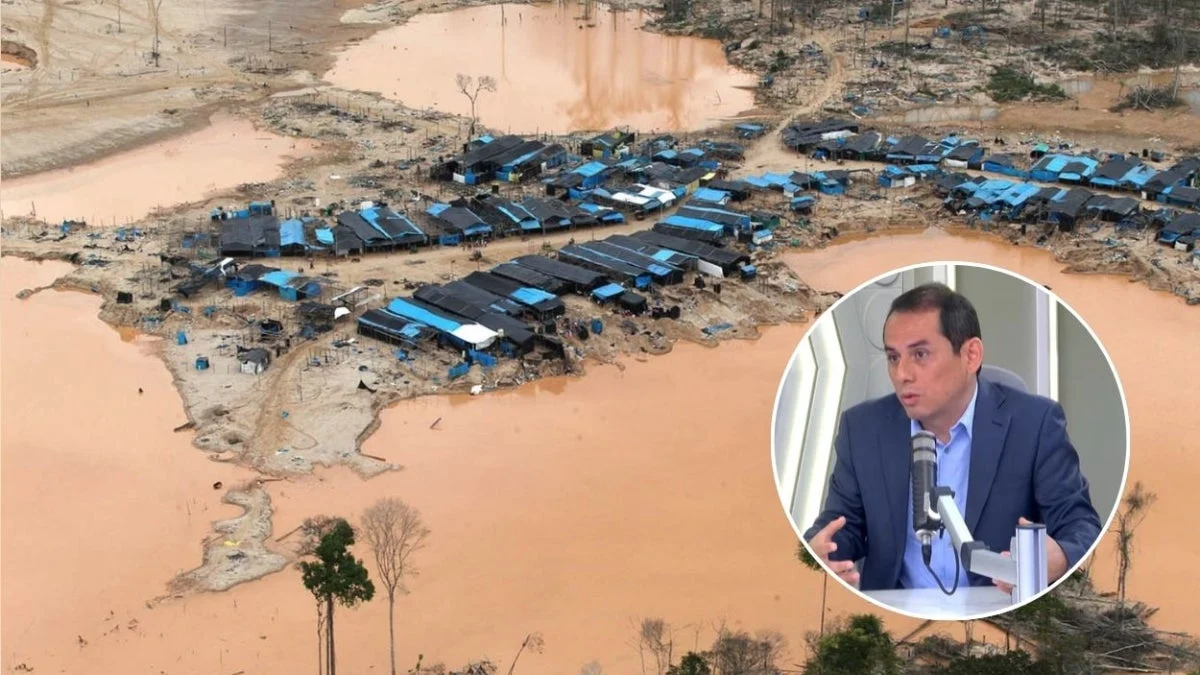
While the phenomenon is national in scope, the environmental and social devastation is concentrated in specific regions:
- Puno: Known for extensive river-based extraction that has decimated local watersheds.
- La Libertad: Where illegal mining has begun to encroach upon the operations of major formal companies like Poderosa.
- Madre de Dios: The epicenter of deforestation and mercury poisoning.
Beyond gold, the IPE notes emerging evidence of illegal extraction of other minerals, including copper, though a precise estimate of this shadow market has yet to be finalized. The institutional response is currently hampered by a lack of coordination between the National Police, the Public Prosecutor’s Office, the Financial Intelligence Unit (UIF), and the tax authority (SUNAT). While these entities possess data regarding the movement of inputs, machinery, and financial flows, the challenge remains the lack of an integrated "chain of custody" strategy.
Implications: The $12 Billion Risk
The expansion of illegal mining is not a victimless economic trend; it poses a direct existential threat to legitimate foreign and domestic investment. Projects currently in the pipeline—such as Conga, Michiquillay, Los Chancas, and Haquira—face significant risks due to the instability caused by illegal actors.
The IPE estimates that upwards of US$12 billion in potential mining investment is now in jeopardy. When the rule of law is compromised by illegal actors who operate with impunity, formal companies face physical threats, supply chain disruptions, and a lack of legal certainty. This "chilling effect" on investment threatens the future of the Peruvian mining sector, which has historically been the primary engine of the national economy.
The Path Forward: Intelligence and Traceability
Combating this crisis requires a fundamental pivot in strategy. The IPE and industry experts suggest three key pillars for reform:
1. Intelligence-Led Enforcement
The state must move beyond simple raids and focus on "following the money." By utilizing the information held by the UIF and SUNAT, authorities can dismantle the logistical and financial networks that enable the processing and export of illegal gold.
2. A Robust Traceability System
A comprehensive, blockchain-based or digital tracking system is necessary to monitor gold from the point of extraction to the point of export. Without a verifiable "digital passport" for minerals, illegal gold will continue to hide in plain sight within the formal supply chain.
3. Reclaiming the Territory
There is an urgent need to re-establish the presence of the state in regions currently governed by illegal mining syndicates. This involves not only law enforcement but also providing viable economic alternatives for the local populations currently reliant on illegal mining.
Government Response
The current administration has included provisions for formalization and mineral traceability in its recent requests for legislative powers. However, the efficacy of these measures remains to be seen. As the sector faces a total loss of control to illicit interests, the window for intervention is closing.
The transformation of Peru’s gold sector from a pillar of development into a vehicle for illegal wealth is a cautionary tale of regulatory inertia. Unless the state moves to reclaim its authority and enforces strict traceability, the nation risks not only the loss of billions in potential investment but the long-term degradation of its sovereignty and environment. The numbers for 2026 are more than just statistics; they are a call for an immediate, systemic, and uncompromising reform of the Peruvian mining industry.