Executive Summary: A Milestone in Capital Infrastructure
In a significant stride toward disaster risk reduction, the Municipal Mayor’s Office of the Central District (AMDC) in Honduras has announced that critical mitigation works in the Miramesí neighborhood—situated along the banks of the Choluteca River—have reached a 95% completion rate. This ambitious infrastructure project, representing an investment of over 100 million lempiras (approximately $4 million USD), stands as a cornerstone of the city’s broader strategy to fortify its urban landscape against the increasing threat of geological instability and flooding.
The project is designed to safeguard the lives and assets of approximately 50,000 residents across 20 distinct neighborhoods in the capital. By focusing on slope stabilization, advanced water management systems, and the rehabilitation of public spaces, the AMDC is transitioning from reactive emergency management to proactive structural resilience.
The Core Infrastructure: Engineering Against Nature
The technical scope of the project in Miramesí is expansive, reflecting a sophisticated engineering approach to the city’s unique topographical challenges. The capital city of Tegucigalpa, characterized by steep hillsides and high-density settlements, faces perennial risks from soil erosion and flash flooding.
Structural Stabilization and Slope Management
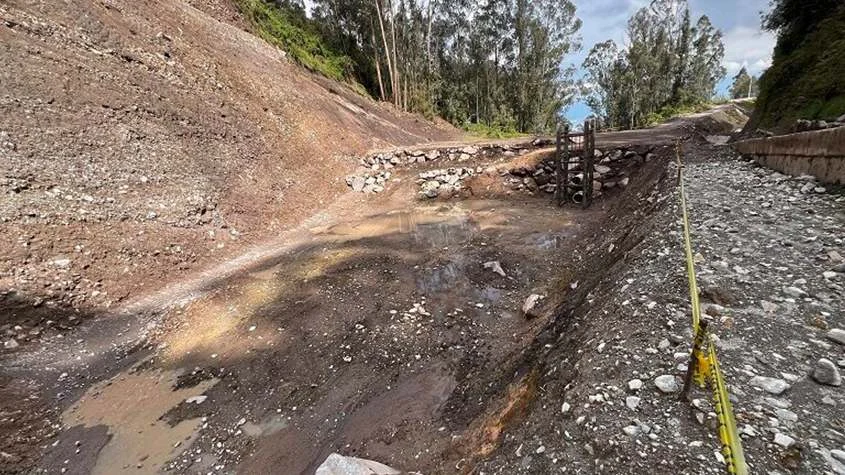
The primary component of the investment involves the construction of massive containment structures designed to bolster slope stability. These walls act as a vital barrier against the destructive force of landslides, which have historically plagued the area during the rainy season. Engineers have utilized reinforced concrete and geotechnical anchoring systems to ensure these barriers can withstand high-pressure saturation levels.
Comprehensive Water Management
Beyond static containment, the project integrates advanced drainage and hydraulic engineering. Managing water runoff is critical in an urban environment where impermeable surfaces—such as concrete streets and rooftops—accelerate the velocity of stormwater. By implementing a modern drainage network, the project prevents the accumulation of water that typically saturates the soil and triggers slope failures.

Public Space and Urban Renewal
A unique feature of this mitigation effort is its dual-purpose design. The project does not merely exist to prevent disaster; it aims to revitalize the community. The completion of hydraulic concrete paving throughout the area has already improved mobility for residents. Furthermore, the ongoing construction of a new public plaza and the installation of safety railings demonstrate the AMDC’s commitment to "resilient urbanism"—the philosophy that infrastructure should serve the community in daily life while providing a safety net during extreme weather events.
Chronology: From Planning to Near-Completion
The journey to this 95% milestone has been a multi-phased endeavor that highlights the necessity of long-term international cooperation and municipal foresight.
- Initial Assessment (Pre-2023): Following consistent damage reports and geological surveys indicating high-risk zones along the Choluteca River, municipal planners identified Miramesí as a priority area for intervention.
- Securing the Funding: Through negotiations with the German Development Bank (KfW), the AMDC secured the necessary capital to finance this large-scale project. This partnership was essential, as the scale of the investment—100,422,563 lempiras—would have been prohibitive for the municipal budget alone.
- Breaking Ground: Construction crews began the structural phase, prioritizing the riverbank reinforcement. This phase was the most labor-intensive, requiring extensive excavation and the pouring of concrete foundations deep into the bedrock.
- Execution and Challenges: Throughout the construction period, engineers had to navigate the logistical challenges of building in a densely populated area. Work was carefully scheduled to minimize disruption to residents while maintaining a strict timeline to ensure the main structural barriers were ready ahead of the peak hurricane and rainy season.
- Current Status: As of late 2026, the primary structural works are finalized. The project has shifted to its final phase: landscaping, the completion of the public plaza, and the final safety inspections.
Supporting Data: The Socio-Economic Impact
The decision to invest $4 million USD in this specific sector of the capital is backed by robust socio-economic data. The 20 neighborhoods slated for protection represent a significant portion of the capital’s population that lives in "high-vulnerability zones."
Economic Justification
Economists often cite the "mitigation vs. response" ratio in disaster management. Every dollar spent on pre-emptive infrastructure can save up to seven dollars in disaster recovery, emergency relief, and the reconstruction of damaged homes. By investing 100 million lempiras now, the AMDC is effectively protecting property values, preventing the loss of housing, and reducing the fiscal burden that would arise from a major, unmitigated disaster.
Demographic Reach
The project benefits 50,000 residents, a figure that includes vulnerable families, school children, and local businesses. By securing the ground upon which these homes are built, the municipality is also providing a psychological benefit: the security of tenure. Families who previously feared the loss of their homes during heavy rains can now invest in their own properties with greater confidence, leading to improved housing standards and neighborhood development.

Official Responses and Strategic Partnerships
The success of the Miramesí project is a testament to the synergy between municipal governance and international development institutions.
The Role of KfW
The German Development Bank (KfW) has been an instrumental partner. Their involvement brings not only capital but also rigorous technical standards to the table. According to project observers, the standards applied in this project meet international benchmarks for environmental and structural safety. The bank’s commitment to "climate-resilient infrastructure" aligns perfectly with the AMDC’s goal to protect the capital from the intensifying effects of climate change.
Municipal Leadership
The AMDC has characterized this project as a flagship initiative. In various press briefings, municipal spokespersons have emphasized that this is part of a "Master Plan for the Mitigation of the Central District." This strategy acknowledges that Tegucigalpa, due to its valley and mountain topography, will always face natural risks, but that those risks can be managed through persistent, evidence-based engineering.
Implications: A Model for Future Urban Development
The Miramesí intervention serves as a blueprint for future infrastructure projects in Central America. As regional cities expand, the pressure on land availability forces communities to settle in increasingly marginal and hazardous terrains.
Adapting to Climate Change
The intensity and unpredictability of rainfall in Honduras have increased significantly over the past decade. Traditional drainage systems are no longer sufficient. The integration of "green-grey" infrastructure—combining concrete structures with natural slope management techniques—is the future of urban resilience. This project demonstrates that infrastructure must be "climate-proof," accounting for extreme weather events that were once considered "once-in-a-century" occurrences but are now becoming common.

The Social Contract of Infrastructure
Beyond the engineering, there is a profound social implication. By providing safe, modern, and aesthetic public spaces in historically neglected areas, the government is reinforcing the social contract. When the state provides high-quality infrastructure in vulnerable communities, it fosters a sense of belonging and civic pride, which in turn leads to better maintenance and community stewardship of these assets.
Looking Ahead: The Final 5%
As the project enters its final stage, the focus remains on quality control and community integration. The upcoming inauguration of the public plaza will mark more than just the end of a construction site; it will represent a transformation of a neighborhood once defined by risk into a community defined by safety and potential.
The AMDC is expected to announce the final handover of the works in the coming weeks, serving as a successful case study for how international funding and municipal determination can combine to save lives and build a more resilient future for the capital. The lessons learned in Miramesí—regarding material durability, community involvement, and proactive maintenance—will undoubtedly inform the next series of mitigation projects slated for the wider Central District.