Introduction: A New Dawn for Pampas de Clemesí
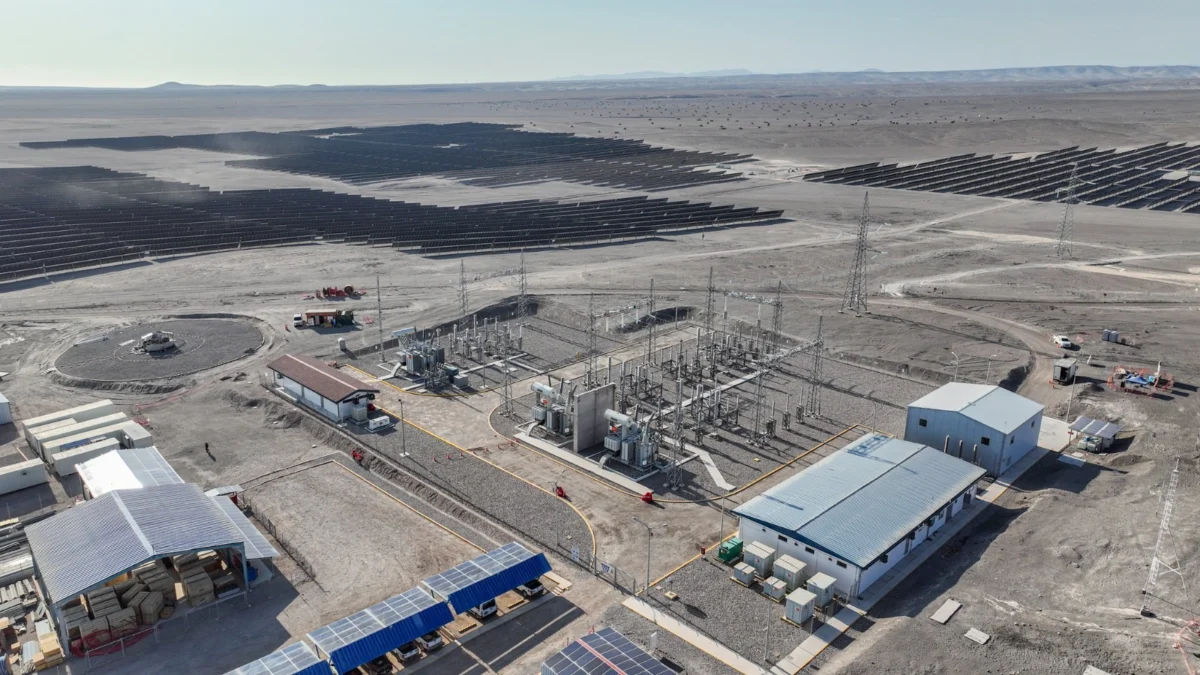
In a significant stride toward bridging the energy divide in southern Peru, the Ministry of Energy and Mines (MINEM), through its General Directorate of Rural Electrification (DGER), has successfully finalized a pivotal electrification project in the Pampas de Clemesí, located in the Moquegua district of the Mariscal Nieto province. This milestone project represents a transformative investment in the region’s infrastructure, promising to provide reliable electrical service to more than 1,400 citizens who have long awaited integration into the national power grid.
The completion of this work is not merely a technical achievement; it is a socio-economic catalyst. By bringing modern, reliable electricity to three previously underserved rural localities, the state is actively dismantling the barriers that have historically hindered local development. For the residents of Pampas de Clemesí, this project signifies the transition from limited, traditional methods of illumination and power to a modern framework that supports education, business, and improved public health.
Technical Specifications: Building the Infrastructure
The project’s scope was extensive, requiring precise engineering to ensure the resilience of the network in the rugged geography of the Moquegua region. The technical architecture of the project is designed to provide stable power delivery that meets modern safety and capacity standards.
The Engineering Backbone
The infrastructure development focused on two primary tiers of power distribution:
- Primary Distribution (33 kV): The installation of a high-voltage primary network allows for the efficient transport of electricity across the challenging terrain, minimizing losses and ensuring that the voltage remains stable even as demand fluctuates.
- Secondary Distribution (380/220 V): This secondary network acts as the final delivery mechanism, stepping down the high voltage to usable levels for residential and small commercial use. This dual-voltage capacity ensures that residents can power everything from basic home lighting and communication devices to the machinery required for agricultural and small-scale manufacturing enterprises.
The meticulous installation of these power lines marks a shift in the region’s operational capacity, replacing off-grid or unreliable alternatives with a secure, government-backed infrastructure that is integrated into the broader regional grid.
Chronology of Development: From Concept to Connection
The journey to electrify Pampas de Clemesí is a testament to the persistence of state planning and regional coordination. While the final delivery was celebrated recently, the project followed a rigorous lifecycle:

- Identification and Needs Assessment: The DGER conducted comprehensive surveys of the Mariscal Nieto province, identifying the specific localities in Pampas de Clemesí that lacked adequate electrical access.
- Feasibility Studies: Before breaking ground, engineers assessed the environmental impact and the technical requirements for spanning the 33 kV lines across the specific geography of the Moquegua district.
- Procurement and Mobilization: The project required the procurement of high-grade materials, including pylons, transformers, and conducting wires capable of withstanding the local climate.
- Construction Phase: Over several months, specialized crews worked to erect the network. This stage involved significant coordination with local authorities to ensure minimal disruption to the existing agricultural activities in the area.
- Final Inspection and Testing: Before the official inauguration, the system underwent rigorous safety testing to meet the standards of the Ministry of Energy and Mines, ensuring that the integration into the national grid would be seamless and safe for all residents.
The Strategic Vision: Reducing National Energy Gaps
The Ministry of Energy and Mines, under the current administration, has identified rural electrification as a top-tier priority. The overarching goal is to achieve universal energy access, a target that is intrinsically linked to the national poverty reduction strategy.
The Perspective of the Ministry
Minister of Energy and Mines, Guillermo Shinno, has emphasized that this project is part of a larger, systemic effort to decentralize development. "Our commitment is not just to build lines, but to build opportunities," Shinno stated. The Ministry maintains that electricity is a foundational right—an "enabling utility"—that serves as the platform upon which other essential services, such as healthcare, education, and digital connectivity, are built.
The project in Pampas de Clemesí is a model for how the DGER intends to handle future projects. By targeting regions that have been traditionally overlooked due to their isolation, the government is attempting to mitigate the urban-rural divide that continues to characterize much of the Andean landscape.
Socio-Economic Implications: Beyond the Light Switch
The arrival of electricity in Pampas de Clemesí will have a profound "multiplier effect" on the local economy. In rural Peru, the lack of electricity often confines agricultural activity to daylight hours and limits the value-add potential of local produce.
Revitalizing Local Commerce
With reliable 380/220 V power, local farmers and entrepreneurs can now utilize:
- Cold Storage: Preventing the spoilage of perishable goods, allowing farmers to hold inventory for better market pricing.
- Processing Equipment: Small-scale machinery for cleaning, packaging, or milling products, which allows producers to move up the value chain.
- Extended Operating Hours: Small businesses and workshops can now operate in the evenings, increasing productivity and local employment.
Social and Educational Impact
For families, the benefits are equally significant. Students now have the ability to study after sunset, and households can utilize digital tools for research and communication. Furthermore, the presence of public lighting in streets and community spaces is expected to improve public safety and community cohesion, allowing for social gatherings and meetings that were previously restricted by the setting sun.

Supporting Data: The Quantitative Impact
While the 1,400 beneficiaries are the primary focus, the long-term impact on the Moquegua region is quantified by several metrics:
- Infrastructure Sustainability: The use of 33 kV networks ensures that the system is scalable. As the community grows or as new businesses emerge, the current infrastructure will not require a complete overhaul to meet increased power demand.
- Energy Equity: By prioritizing this area, the Ministry is reducing the per-capita energy gap, which is a key metric in the national development index.
- Integration: The project serves as a bridge, physically connecting these communities to the national energy grid, effectively ending their isolation from the national technological ecosystem.
Future Outlook: The Path Ahead
The success in Pampas de Clemesí serves as a blueprint for the DGER’s future operations. As the Ministry looks toward the next phase of its national strategy, the focus will remain on:
- Maintenance and Reliability: Ensuring that the newly installed infrastructure is maintained to prevent service outages, requiring collaboration with regional utility providers.
- Scalability: Identifying neighboring communities that can benefit from the expanded 33 kV network.
- Renewable Integration: Exploring how these new grid connections can eventually incorporate decentralized renewable energy sources, such as solar or small-scale wind, to further improve energy security.
The Ministry of Energy and Mines continues to reiterate that the "closing of gaps" is a permanent objective. In a rapidly evolving economic landscape, access to energy is the primary driver of competitiveness. For the people of Pampas de Clemesí, the lights turning on is more than a technical victory; it is a signal that they are no longer on the periphery of the country’s development, but are instead active participants in the economic and social life of the nation.
In conclusion, the initiative in Moquegua serves as a reminder that rural electrification is a long-term investment. By empowering these 1,400 citizens with the tools for modern development, the state is planting the seeds for a more prosperous, connected, and equitable future for all Peruvians. The project stands as a benchmark for future state-led infrastructure endeavors, proving that with careful planning and a clear commitment to the underserved, the government can transform the lives of thousands and lay the groundwork for generations of prosperity.