LIMA, PERU – [Date of publication] – Two groundbreaking initiatives spearheaded by Las Bambas, a prominent mining operation in the Apurímac region of Peru, have been recognized for their significant contributions to bridging social divides in rural communities. These projects, focusing on community health and educational reinforcement, were prominently featured in the prestigious "Listado de Buenas Prácticas en Gestión Pública 2026" (2026 Public Management Best Practices List) under the Public-Private Cooperation category. This accolade highlights the successful implementation of collaborative strategies that are demonstrably improving the lives of residents in the Cotabambas and Grau provinces.
The recognized initiatives are: "Strengthening Community Health in Rural Communities of Cotabambas and Grau" and "Closing Gaps, Creating Opportunities: The Las Bambas School Reinforcement Program." Both projects are testaments to the power of synergistic alliances, bringing together public institutions, specialized organizations, local communities, and the private sector to address pressing social needs. The inclusion of these projects among 226 certified national experiences underscores their innovative approach and tangible impact.
Addressing Critical Gaps: Health and Education at the Forefront
The recognition by the 2026 Public Management Best Practices List serves as a powerful endorsement of Las Bambas’ commitment to social responsibility and its proactive engagement in fostering sustainable development within its operational sphere. The inclusion of these two specific programs signifies a strategic focus on two fundamental pillars of community well-being: health and education.
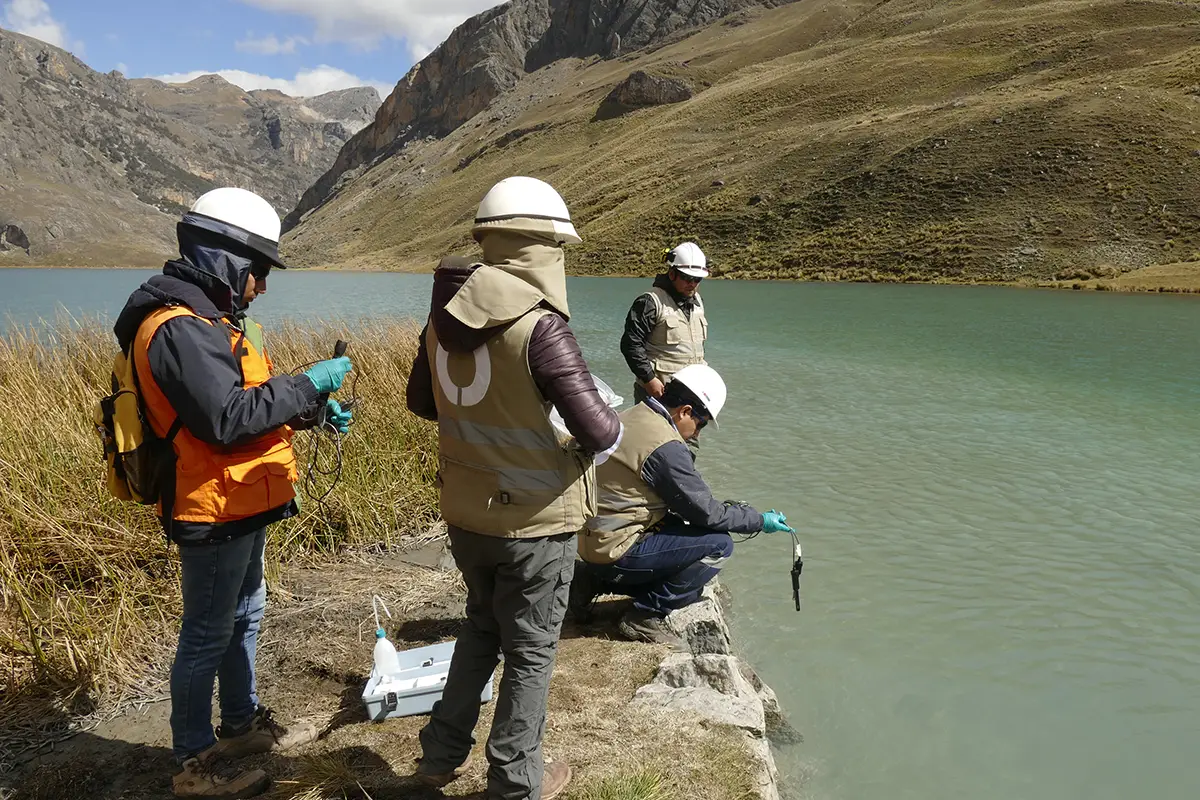
The "Strengthening Community Health" initiative directly tackles the formidable challenges of geographical isolation and distance that often impede timely access to medical services for rural populations. By fostering collaboration and pooling resources, this program aims to bring essential healthcare closer to those who need it most, prioritizing preventive measures and bolstering overall community health.
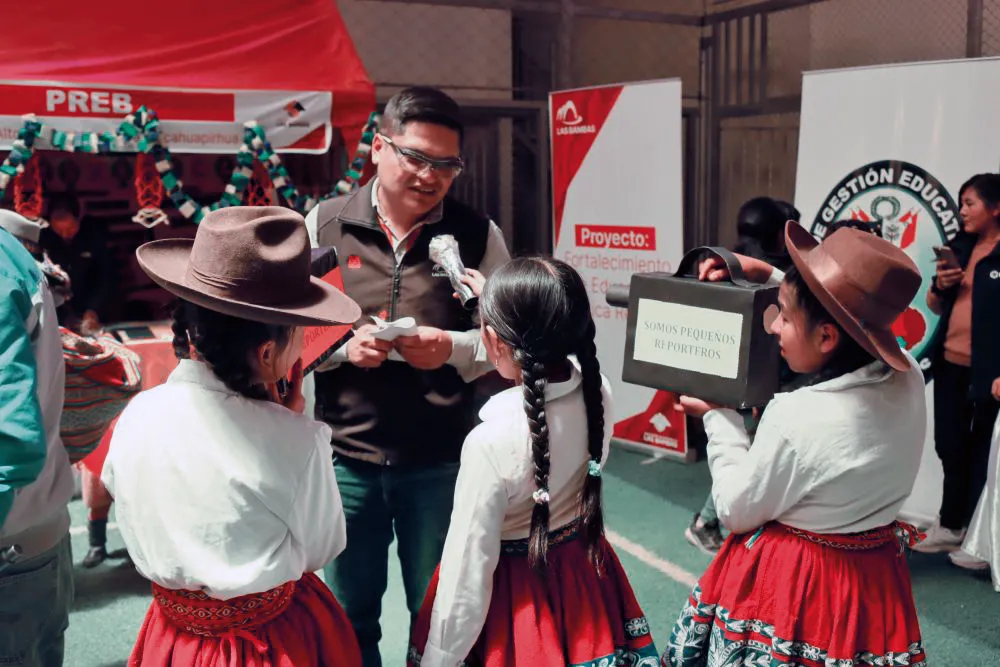
Complementing these health efforts, the "Las Bambas School Reinforcement Program" (PREB) is designed to enhance the academic performance of children and adolescents. It specifically targets areas where students require additional support, equipping them with supplementary tools and guidance to ensure their educational journey is robust and successful. This program’s objective is to reduce educational disparities and cultivate a more conducive environment for academic growth.
A Chronicle of Collaboration: From Conception to Recognition
The journey of these successful initiatives is rooted in a deep understanding of the socio-economic realities of the Apurímac region. The challenges faced by rural communities in accessing basic services are well-documented, and Las Bambas, through its proactive engagement, has sought to be a catalyst for positive change.

Early Stages and Needs Assessment: The conceptualization of these programs likely stemmed from extensive dialogue and needs assessments conducted within the communities. Understanding the specific hurdles – be it the lack of accessible health posts, the prevalence of certain preventable diseases, or the educational attainment gaps – was the crucial first step. This groundwork would have involved close consultation with community leaders, local authorities, and residents themselves.
Formation of Strategic Alliances: The success of both initiatives hinges on the robust partnerships established. For the community health program, key players include the Health Networks of Cotabambas and Grau, the PAIS Program of the Ministry of Development and Social Inclusion (MIDIS), Juntos, CARE Peru, the UGEL Cotabambas (Educational Management Unit), and the Las Bambas Association. This multi-stakeholder approach ensures a comprehensive and coordinated response, leveraging the unique strengths and mandates of each entity.
Similarly, the School Reinforcement Program benefits from a collaborative framework, though specific partners might vary, the underlying principle of shared responsibility remains consistent. The involvement of educational authorities, community educators, and Las Bambas’ own dedicated team is vital for its effective implementation.
Program Implementation and Adaptation: Once established, these programs have likely undergone iterative implementation, with continuous monitoring and adaptation based on feedback and observed outcomes. The challenges of rural logistics, cultural nuances, and diverse community needs require flexibility and a willingness to adjust strategies. For instance, the community health program might involve mobile health units, training local health promoters, and educational campaigns on hygiene and nutrition. The school reinforcement program could encompass after-school tutoring, provision of learning materials, and teacher training workshops.
Recognition and Validation: The inclusion in the "Listado de Buenas Prácticas en Gestión Pública 2026" is the culmination of this dedicated effort. This national recognition validates the effectiveness of the chosen methodologies and the strength of the collaborative model. It signifies that these initiatives are not merely local efforts but represent exemplary practices that can serve as a blueprint for other regions and organizations facing similar challenges. The rigorous selection process for this list ensures that only truly impactful and sustainable projects are acknowledged.
Supporting Data and Tangible Outcomes
While the article does not provide specific quantitative data, the very inclusion in the "Listado de Buenas Prácticas" implies that the programs have demonstrated measurable positive impacts. To further enrich this narrative, one can infer the types of data that would have been crucial for their nomination:

For the Community Health Initiative:
- Increased Access to Healthcare: Data on the number of individuals reached by mobile health units, the number of consultations conducted in remote areas, and the reduction in travel time for accessing basic medical services.
- Improved Health Indicators: Potential metrics could include a decrease in the incidence of specific preventable diseases (e.g., respiratory infections, diarrheal diseases), an increase in vaccination rates among children, and improved maternal and child health outcomes.
- Community Health Worker Training: The number of community members trained as health promoters, their increased capacity to identify and manage common health issues, and their role in facilitating access to formal healthcare.
- Availability of Essential Medicines and Supplies: Data on the consistent provision of necessary medications and medical supplies to rural health posts and community outreach points.
For the School Reinforcement Program (PREB):
- Improved Academic Performance: Data on student progress in key subjects, measured through standardized tests, teacher assessments, and improved pass rates.
- Reduced Dropout Rates: Evidence of a decline in school dropout rates, particularly among vulnerable student populations.
- Enhanced Student Engagement: Qualitative data and observations indicating increased student participation, motivation, and interest in learning.
- Development of Essential Skills: Metrics demonstrating the acquisition of critical thinking, problem-solving, and other essential cognitive skills by participating students.
- Teacher Capacity Building: Data on the number of teachers trained in new pedagogical approaches and their reported effectiveness in implementing them.
The fact that these programs are categorized under "Public-Private Cooperation" suggests that the data presented likely highlighted the efficiency and effectiveness achieved through the joint efforts of various stakeholders, demonstrating how shared resources and expertise can yield superior results compared to individual efforts.
Official Responses and Endorsements
The recognition from the "Listado de Buenas Prácticas en Gestión Pública 2026" is a significant endorsement from a national platform dedicated to identifying and promoting effective governance. While specific quotes from officials are not provided in the original text, the implication of their inclusion is clear:
- Government Recognition: The Peruvian government, through the entities responsible for compiling and evaluating the "Listado de Buenas Prácticas," has officially acknowledged the value and impact of Las Bambas’ programs. This lends credibility and can potentially open doors for further support and replication.
- Validation of the Public-Private Partnership Model: The categorization under "Cooperación Público-Privada" highlights the government’s recognition of the effectiveness of such collaborative models in addressing complex social challenges. This can encourage other public and private entities to adopt similar approaches.
- Las Bambas’ Perspective: For Las Bambas, this recognition is a validation of its strategic investment in community development and its commitment to operating beyond mere extraction. It reinforces their belief in the importance of forging strong partnerships to create shared value and contribute to the well-being of the communities where they operate. The company likely views this as a testament to the dedication of its social management teams and the collaborative spirit of its partners.
- Community Empowerment: While not explicitly stated, the underlying success of these programs means that community members themselves are likely experiencing tangible benefits, leading to their implicit endorsement and continued participation.
Implications for Sustainable Development and Future Endeavors
The inclusion of Las Bambas’ initiatives in the 2026 Public Management Best Practices List carries significant implications for the future of social development in Peru, particularly in rural and resource-rich regions.
- Scalability and Replication: The most immediate implication is the potential for these successful models to be scaled up or replicated in other regions facing similar challenges. The "Listado" serves as a repository of proven strategies, offering a valuable resource for policymakers, NGOs, and private sector actors seeking effective interventions.
- Strengthening Public-Private Partnerships: This recognition reinforces the notion that collaboration between the public sector and private entities is not just beneficial but essential for achieving sustainable development goals. It encourages a shift from a transactional relationship to a more integrated and synergistic approach. The article explicitly states that "the work together between public institutions, private companies, specialized organizations and local population constitutes a tool for developing solutions adapted to the needs of each territory."
- Focus on Social Impact: The emphasis on "closing social gaps" highlights the growing importance of measuring and demonstrating the social impact of corporate activities. Companies like Las Bambas are increasingly being held accountable not just for their economic contributions but also for their positive influence on community well-being.
- Addressing the Challenge of Continuity: As the article rightly points out, the "challenge is to guarantee continuity." This recognition brings a spotlight on the long-term sustainability of these programs. It underscores the need for sustained funding, ongoing stakeholder commitment, and adaptive management to ensure that the positive impacts are not ephemeral but enduring. This might involve exploring mechanisms for institutionalizing successful practices within public sector frameworks or developing long-term funding models.
- A Model for Extractive Industries: For other extractive industries, this serves as a powerful example of how to move beyond basic corporate social responsibility and engage in impactful, collaborative initiatives that genuinely address community needs. It demonstrates a proactive and strategic approach to social investment.
In conclusion, the recognition of Las Bambas’ community health and educational reinforcement programs in the 2026 Public Management Best Practices List is a significant achievement. It not only celebrates the tangible positive outcomes of these initiatives but also champions the power of collaboration, innovation, and a deep commitment to the well-being of rural communities. As Peru continues its development journey, these exemplary practices offer valuable insights and a promising pathway towards a more equitable and prosperous future for all its citizens.