Introduction: A Strategic Alliance Against Insecurity
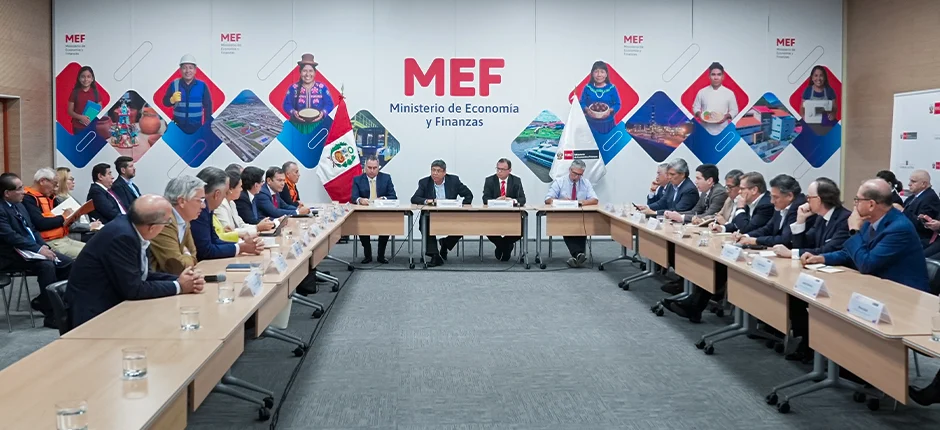
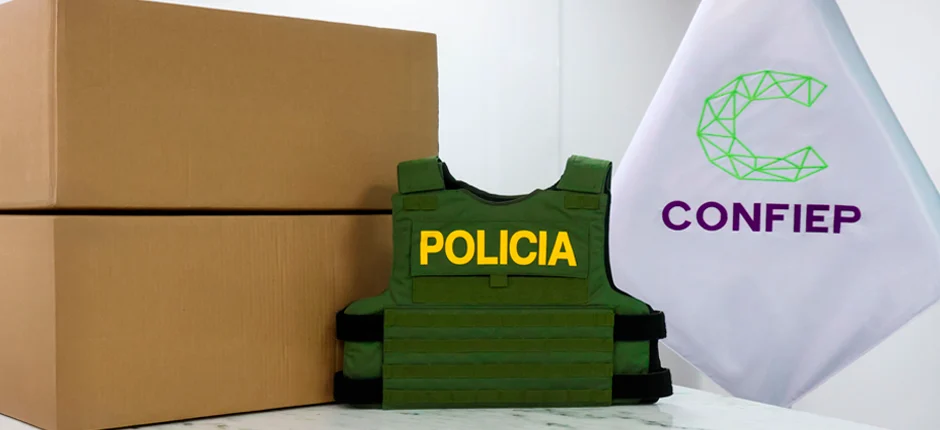
In a decisive move to address the escalating challenges of organized crime and urban insecurity in Peru, the National Confederation of Private Business Institutions (CONFIEP) has reaffirmed its commitment to public safety. Through a formal Cooperation Agreement signed with the Ministry of the Interior, the private sector has stepped up its support for the Peruvian National Police (PNP), providing essential tactical gear, including bulletproof vests, to enhance the operational capacity of law enforcement.
This initiative represents a significant bridge between the private sector and the state, underscoring the reality that national security is a prerequisite for economic development and social stability. As criminal organizations grow in sophistication, the need for advanced technological and protective equipment for police officers has become a top priority for the government, and the business community is increasingly positioning itself as a strategic partner in this endeavor.
The Core Facts: Tactical Support for the DIVIIC-DIRNIC
The most recent delivery of tactical equipment by CONFIEP is specifically earmarked for the Division of Intelligence of the National Directorate of Criminal Investigation (DIVIIC-DIRNIC). This unit is at the vanguard of the fight against complex criminal networks, often operating in high-risk environments where physical protection is not merely a luxury, but a necessity for the survival and effectiveness of personnel.
The contribution of high-grade bulletproof vests is designed to mitigate the physical risks faced by intelligence officers who conduct surveillance, infiltration, and undercover operations. By providing this equipment, CONFIEP aims to ensure that those who gather the intelligence necessary to dismantle criminal syndicates can perform their duties with the confidence that they are protected against lethal threats.
Chronology: A Sustained Commitment to Public Safety
The partnership between CONFIEP and the Ministry of the Interior is not a one-off event but part of a structured, multi-phase plan designed to modernize the infrastructure of the Peruvian National Police.
Phase 1: The Initial Framework
The collaboration began with the signing of a formal Cooperation Agreement. This legal instrument established the terms under which the private sector could contribute to the national police without infringing upon the autonomy of the state. It set the stage for a transparent, audit-compliant process for equipment donations.
Phase 2: Strengthening the GRECCO
Before the current focus on the DIVIIC-DIRNIC, CONFIEP directed its efforts toward the Special Group Against Organized Crime (GRECCO). Recognizing that modern policing requires more than just field equipment, the private sector focused on administrative strengthening. By providing essential office hardware and computer systems, the confederation helped digitize and streamline the administrative workflows of GRECCO, allowing the unit to process case files faster and improve coordination between different branches of the force.
Phase 3: The Current Expansion
The latest donation represents a shift toward more specialized, field-oriented gear. This phase focuses on the "hard" assets—drones for aerial surveillance, advanced computing power for data analysis, and protective gear for field operatives—that directly impact the PNP’s ability to "see" and "survive" in the field.
Supporting Data: The Logistics of Modern Policing
To understand the significance of this donation, one must look at the current landscape of insecurity in Peru. The rise of extortion, human trafficking, and international narcotics trafficking has forced the PNP to adapt rapidly.
The Role of Technology
- Drones: High-end, thermal-imaging-equipped drones are critical for monitoring illegal mining operations in the Amazon or tracking suspect movements in dense urban slums where traditional patrol cars cannot easily enter.
- Data Analysis: The modern criminal leaves a digital footprint. Providing computers to the DIVIIC-DIRNIC allows for real-time processing of signals intelligence and financial data, which is crucial for cutting off the revenue streams of criminal organizations.
- Protective Gear: Standard-issue equipment often suffers from wear and tear. By replenishing the supply of bulletproof vests, CONFIEP is ensuring that officers are not forced to operate with expired or damaged protective gear, which is a frequent complaint in public sector procurement cycles.
Official Responses and Perspectives
The synergy between the business sector and the Ministry of the Interior has drawn positive reactions from both sides of the aisle, though it also raises questions about the scope of private intervention in public security.
The Business Perspective
CONFIEP representatives have consistently stated that their motivation is rooted in the belief that "security is the foundation of growth." In official statements, the confederation has highlighted that crime is a "tax on society," affecting everything from small neighborhood businesses to large-scale industrial projects. By investing in the police, they view their contributions as a long-term investment in the country’s economic climate.
The Ministry of the Interior’s Stance
Government officials have welcomed the aid, noting that public procurement is often slowed by bureaucratic bottlenecks. "The private sector’s agility allows us to bridge the gap between identifying a critical need and filling it," a source close to the Ministry stated. They emphasize that the equipment provided by CONFIEP meets international quality standards, ensuring that police officers are using tools comparable to those of their peers in other developed nations.
Implications: The Future of Public-Private Security Partnerships
The involvement of the private sector in law enforcement logistics is a growing trend in Latin America. However, it brings with it several critical implications for the future of governance in Peru.
1. Enhancing Operational Speed
Public procurement in Peru is notoriously complex, often involving long lead times for tenders and logistics. The direct donation model used by CONFIEP circumvents these delays, providing the police with immediate access to essential tools. This "tactical agility" is perhaps the most significant outcome of the current agreement.
2. Ensuring Transparency and Accountability
Any arrangement involving private entities providing equipment to the state must be carefully monitored. The Ministry of the Interior has committed to maintaining strict records of all donations, ensuring that the gear is distributed to the intended units and used exclusively for public security purposes. This transparency is vital to maintaining public trust in both the private sector and the police force.
3. The Question of State Responsibility
Critics of such partnerships often argue that the provision of essential police equipment should remain the sole responsibility of the state, funded by tax revenue. While this is theoretically sound, the current reality of budget constraints and the rapid evolution of criminal tactics often leaves the state struggling to keep pace. The CONFIEP initiative acts as a stop-gap measure—a necessary "force multiplier" that keeps the police functional during periods of fiscal or logistical strain.
4. A Model for Regional Development
If successful, the partnership between CONFIEP and the PNP could serve as a model for other sectors. For instance, the agricultural or mining sectors could potentially collaborate with local law enforcement to secure supply chains, creating a safer environment for workers and reducing the incidence of cargo theft and extortion.
Conclusion: A Collaborative Road Ahead
The delivery of bulletproof vests to the DIVIIC-DIRNIC is more than just a logistical update; it is a symbolic and practical reinforcement of the state’s authority. By aligning their resources with the operational requirements of the police, the business community has acknowledged that the fight against organized crime is a collective responsibility.
As Peru moves forward, the success of this initiative will be measured not just by the amount of equipment delivered, but by the tangible reduction in crime rates and the improved safety of police officers on the ground. The path to a more secure Peru is complex, requiring both structural reform within the police force and sustained investment in its capabilities. The partnership between the Ministry of the Interior and CONFIEP offers a robust example of how cross-sector cooperation can contribute to a safer, more stable nation.
In the coming months, as more drones and technological tools are deployed, the focus will shift to measuring the efficacy of this new equipment in actual operations. If the current trajectory continues, this alliance may well define a new standard for how the private sector and the government work in tandem to protect the citizens of Peru from the encroaching threats of the 21st century.