Lima, Peru — A wave of intense, unseasonal precipitation has triggered a humanitarian and infrastructure crisis across the southern districts of Lima and several regions in the southern sierra. The heavy rainfall, which caught local populations off-guard, has left a trail of destruction that includes damaged housing, compromised educational facilities, and critical failures in municipal sanitation systems.
As of the latest reports from the National Institute of Civil Defense (INDECI), the damage tally has reached alarming levels: 62 homes have been rendered uninhabitable or severely damaged, and 12 public schools are currently incapacitated. With approximately 300 individuals displaced or directly affected by the flooding and structural failures, the Executive branch has moved swiftly to announce a formal state of emergency to expedite disaster relief and reconstruction efforts.
Main Facts: The Impact of the Rainfall
The sudden onset of torrential rain has exposed significant vulnerabilities in the urban planning and infrastructure of Lima Sur. The primary focus of the crisis remains the sector 1 area of Villa El Salvador, where the combination of poor drainage and intense water volume led to widespread flooding of residential blocks.
The immediate impact has been multifaceted:
- Residential Damage: 62 families have lost vital household items or seen their structural integrity compromised by water seepage and soil saturation.
- Educational Disruption: 12 schools, including the I.E. 7092 Juan Pablo II, have sustained damage to their facilities, rendering them unsafe for students.
- Sanitation Breakdown: The surge in water volume overwhelmed local sewage networks, leading to the backup of waste systems, which poses a severe public health risk.
- Humanitarian Toll: Over 300 citizens have been identified as having urgent humanitarian needs, requiring immediate access to clean water, food, and temporary shelter.
Chronology of the Crisis
The escalation of the emergency unfolded rapidly over a 48-hour period, shifting from localized flooding to a regional crisis requiring high-level intervention.
Day 1: The Onset
The initial precipitation began in the late hours of the evening, catching residents unprepared. By the early hours of the following morning, the drainage capacity in Villa El Salvador had been breached. Reports of basement flooding and street-level inundation began flooding emergency hotlines as local municipal workers struggled to clear clogged storm drains.
Day 2: Assessment and High-Level Inspection
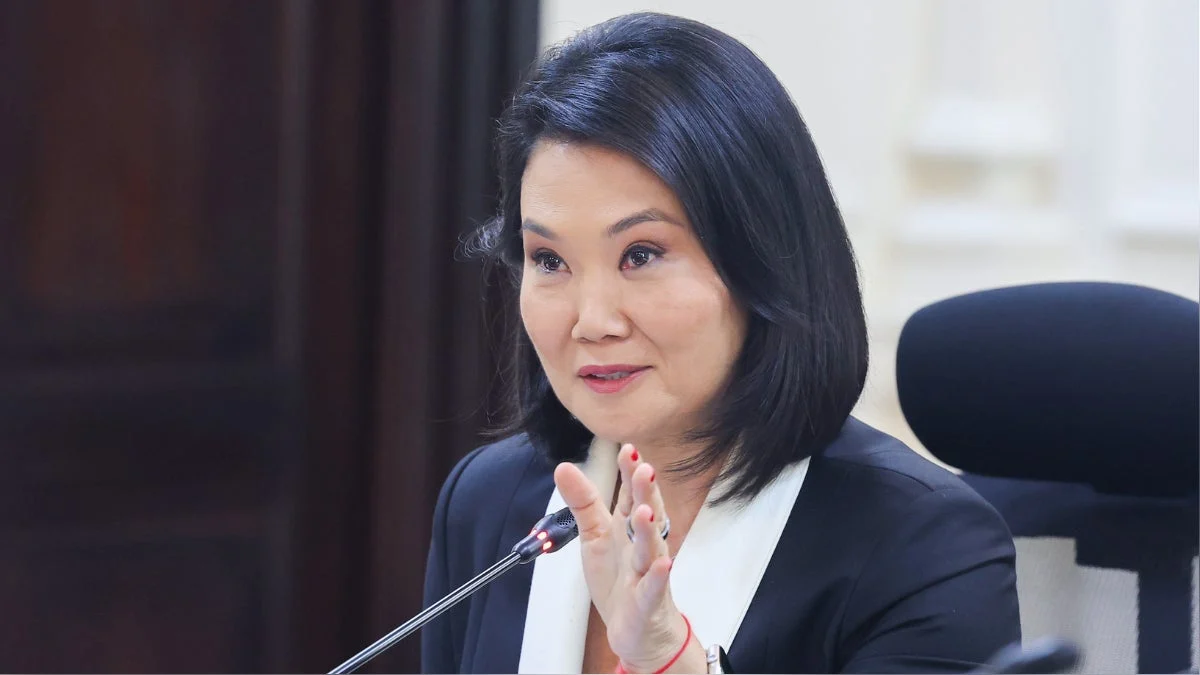
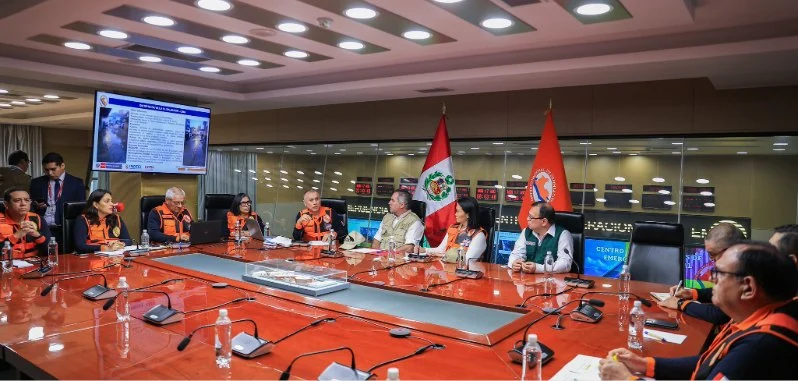
As the extent of the damage became clear, a high-level delegation arrived at the disaster zone. President Keiko Fujimori, accompanied by the Minister of Housing, Construction, and Sanitation, Mauricio Arnillas, and the Mayor of Metropolitan Lima, Renzo Reggiardo, conducted an on-the-ground assessment. During this visit, the scale of the damage to the Juan Pablo II school prompted immediate orders for a comprehensive cleanup and sanitization protocol.
Day 3: Emergency Response Deployment
Following the site visit, the government transitioned from an assessment phase to a containment phase. The deployment of heavy-duty machinery—specifically two six-inch motobombs and six hydrojet units from Sedapal—marked the beginning of a massive effort to purge the sewage system and remove stagnant, contaminated water from the streets and residential foundations.

Supporting Data and Technical Analysis
The crisis has prompted a deep dive into the structural weaknesses of the affected areas. INDECI, tasked with the technical evaluation of the zone, is currently deploying engineering teams to determine which structures can be salvaged and which are at risk of total collapse.
Infrastructure and Sanitation
The failure of the sanitation network is the most pressing technical challenge. When the sewage system overflows during heavy rain, it does not merely cause flooding; it creates a biohazard. The use of hydrojet technology is essential to clear debris, silt, and waste that has settled into the pipes. However, officials warn that this is a temporary fix. A long-term overhaul of the drainage architecture in Lima Sur is likely required to prevent a repeat of this catastrophe during future climate events.
The Educational Crisis
The 12 schools affected have been prioritized for intervention. The Ministry of Education has outlined a recovery roadmap that includes:
- Structural Integrity Audits: Ensuring that classroom ceilings and walls, weakened by water, do not pose a danger to students.
- Sanitization: A rigorous process of cleaning, disinfecting, and fumigating all classrooms to prevent the spread of waterborne diseases.
- Restoration of Mobiliary: Replacing school desks, books, and computers destroyed by moisture and debris.
Official Responses: Government Action Plan
During the press conference held in Villa El Salvador, President Fujimori underscored that the declaration of a state of emergency is not merely a formality, but a tactical tool. "The emergency decree," the President stated, "provides the legal framework to reallocate budget lines instantly, ensuring that we do not wait for bureaucratic delays while our citizens are in the streets."
Minister Mauricio Arnillas confirmed that his ministry is working in tandem with the local municipalities to ensure that the recovery is both rapid and sustainable. "We are not just looking at patching the damage," Arnillas said. "We are looking at how we can integrate better resilience into the housing and water infrastructure of the southern zone."
The Mayor of Lima, Renzo Reggiardo, noted that the city government is coordinating with civil society groups and private aid organizations to establish albergues—temporary shelters—for those whose homes were deemed uninhabitable by the initial INDECI inspection. These shelters will provide medical screening and hot meals until the families can safely return to their residences or be relocated.
Socio-Economic and Structural Implications
The events in Lima South raise critical questions about the intersection of climate change, urban growth, and public policy in Peru.
1. Urban Vulnerability
Many of the affected homes are located in areas where infrastructure has struggled to keep pace with the rapid urban expansion of the last decade. The lack of adequate storm-drainage systems in these neighborhoods meant that there was nowhere for the water to go once the capacity of the soil was exceeded. This incident serves as a wake-up call for urban planners regarding the necessity of integrating climate-resilient designs into all future social housing projects.

2. Public Health Risks
The overflow of sewage systems is perhaps the most dangerous secondary effect of the floods. Standing water, mixed with fecal matter and refuse, provides a breeding ground for vectors of disease. The Ministry of Health has already begun deploying mobile clinics to the affected zones to monitor for signs of skin infections, respiratory issues, and gastrointestinal illnesses. The upcoming fumigation campaigns will be crucial in preventing an outbreak of diseases typically associated with tropical or high-precipitation climate shocks.
3. Economic Impact
While the government has pledged funds for the reconstruction of the 12 schools and the repair of the 62 homes, the economic impact on the local community is significant. Many small business owners in the affected area have lost inventory, and the disruption to the school calendar will have ripple effects on the working parents of the district. The government’s promise of "recovery" will be tested by how quickly they can restore the economic rhythm of the neighborhoods, not just the physical structures.
4. Climate Resiliency
The intensity of these rains in a region typically characterized by a more arid climate is being cited by climatologists as an indicator of shifting weather patterns. The state of emergency is a reactionary measure, but the political discourse is shifting toward proactive measures. Future investments will likely focus on "sponge city" concepts—urban areas designed to absorb, store, and filter rainwater—to mitigate the impact of future climate anomalies.
Conclusion
The situation in Lima South remains fluid. As the waters recede and the cleanup operations commence, the focus will gradually shift from emergency relief to long-term reconstruction. The government’s ability to coordinate between municipal authorities, INDECI, and the various ministries will be the determining factor in how quickly these families can return to normalcy.
The declaration of a state of emergency serves as a stark reminder of the fragile balance between urban life and environmental reality. As the cleanup continues, the residents of Villa El Salvador and neighboring districts look to the government for more than just temporary relief; they are looking for a commitment to a safer, more resilient infrastructure that can withstand the increasingly unpredictable challenges of the coming years.
For now, the priority remains the safety of the 300 affected individuals and the total sanitization of the public spaces that serve the community. The path to recovery is arduous, but the mobilization of resources and the unified stance of local and national leaders offer a glimmer of stability in the wake of the devastation.