Overview: A Critical Legislative Session
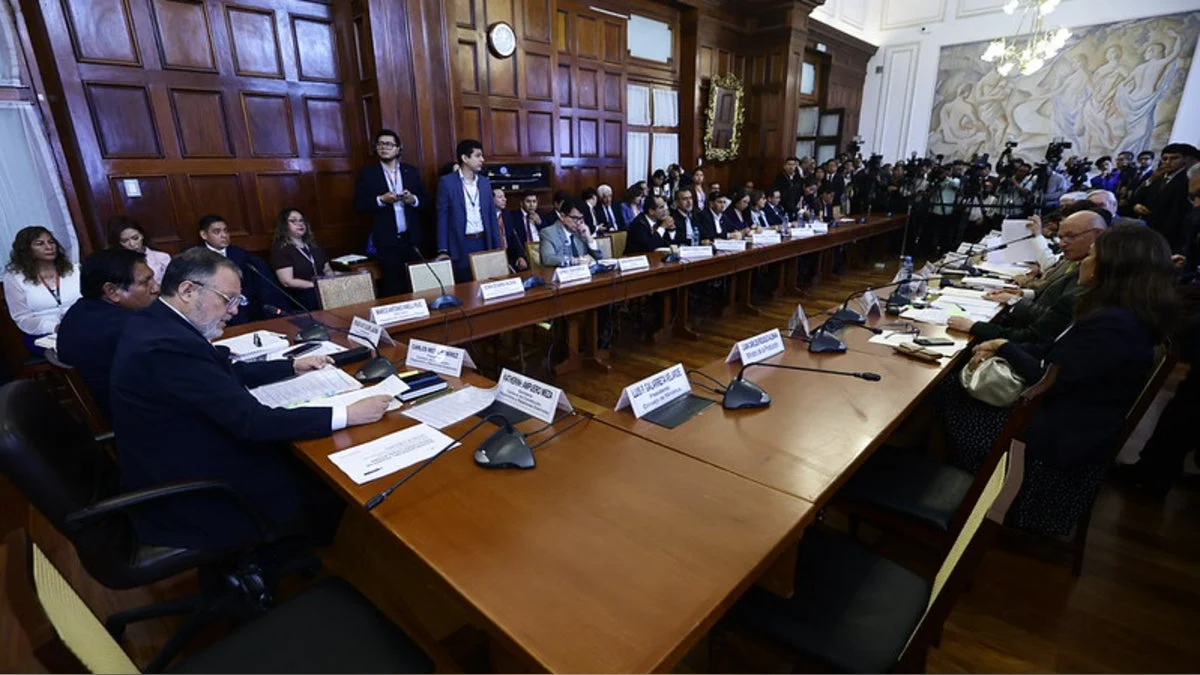
On Tuesday, October 13, the Senate’s Commission on Constitution, Regulations, and Foreign Relations will reconvene for a pivotal non-ordinary session at the Miguel Grau Hall of the Legislative Palace. The primary objective of this gathering is to deliberate on Legislative Proposal 00098-2026-2031-CD, a high-stakes request from the administration of President Keiko Fujimori. The proposal seeks to grant the Executive Branch extraordinary powers to legislate by decree for a period of 90 days, specifically targeting two of the nation’s most pressing concerns: national citizen security and preventative measures against the anticipated effects of the El Niño weather phenomenon.
As the Senate prepares for this session, which is scheduled to commence at 10:00 a.m., the political atmosphere in the capital remains tense. The debate over the delegation of powers—a common but controversial tool in Peruvian politics—will serve as a bellwether for the legislative-executive relationship under the current administration.
Chronology: The Path to the October 13 Session
The road to this week’s deliberation began shortly after the Fujimori administration identified critical bottlenecks in the bureaucratic process that hampered swift action on security and disaster mitigation.
- Early September: The Executive Branch formally submitted the legislative proposal to the Senate, citing the need for "urgent, agile, and specialized regulatory frameworks" to address rising crime rates and the looming climate crisis.
- Late September: Initial reviews were conducted by technical teams within the Constitutional Commission. Opposition leaders expressed concerns regarding the breadth of the powers requested, prompting the commission to organize a consultative phase.
- Early October: The Commission announced the inclusion of high-profile legal experts to provide an objective assessment of the constitutionality and necessity of the requested powers.
- October 13 (Present): The commission convenes to synthesize input from legal scholars, industry stakeholders, and cross-party parliamentary groups to determine if the delegation of powers meets the criteria for constitutional validity.
Supporting Data: Addressing Citizen Security and Climate Resilience
The urgency behind the 90-day legislative delegation is supported by both socioeconomic data and meteorological warnings.
The Security Crisis
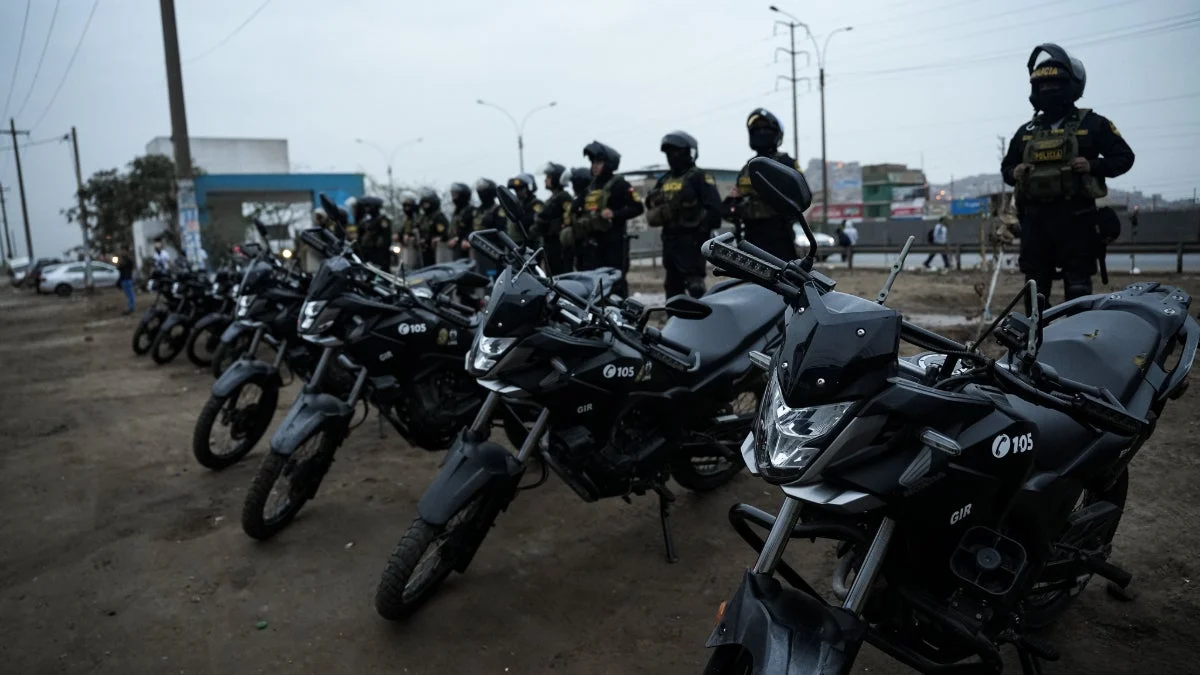
Data from the Ministry of the Interior indicates a 15% increase in organized crime activity in urban centers over the last six months. The government argues that existing legal structures are too cumbersome to allow for the rapid deployment of specialized police units or the implementation of new digital surveillance protocols. The requested powers would allow the Executive to bypass the standard legislative cycle to enact emergency anti-extortion measures and reforms to the penal code specifically regarding recidivism.
The El Niño Threat
Meteorological reports from the National Service of Meteorology and Hydrology (SENAMHI) have projected an intensified El Niño event. Historical data from previous El Niño occurrences highlights that the lack of preemptive infrastructure maintenance costs the national economy billions in lost GDP. The government intends to use the delegated powers to accelerate public procurement processes for infrastructure hardening, such as the reinforcement of riverbanks and the rapid repair of transport networks.
Official Responses and Expert Consultations
The Senate has opted for an inclusive approach, inviting a prestigious panel of legal experts—the Commission’s Consultative Council—to offer their perspectives. The presence of these individuals underscores the gravity of the constitutional debate.
The Consultative Council
The council includes some of the most respected figures in Peruvian jurisprudence:
- José Luis Sardón de Taboada & Óscar Urviola Hani: Former magistrates known for their strict constructionist views on constitutional law.
- Víctor García Toma & Ernesto Blume: Scholars who have historically advocated for a balance between administrative efficiency and parliamentary oversight.
- Francisco Tudela, César Landa, & Javier González-Olaechea: Experts whose backgrounds in foreign relations and administrative law will be crucial in determining whether the scope of the "security" and "environment" mandates encroaches on other legislative domains.
Stakeholder Engagement
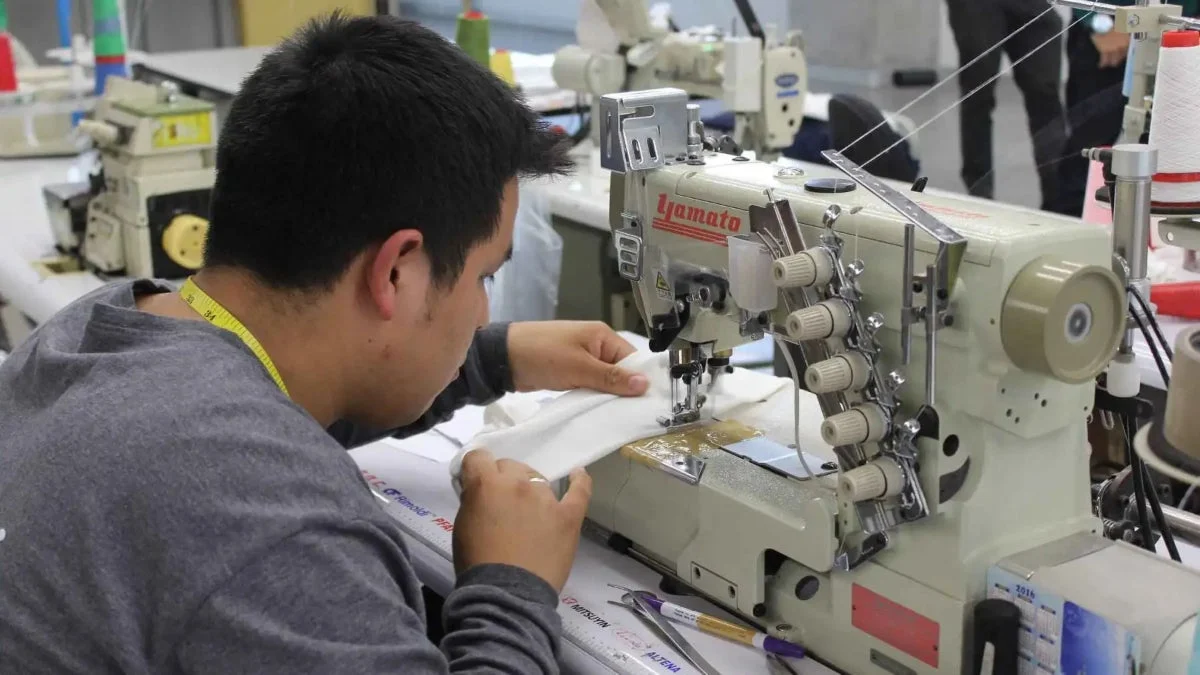
The session is not limited to legal theory. The committee has invited representatives from various micro and small enterprise (MYPE) associations and major industrial guilds. For these groups, the delegation of powers is a double-edged sword. While they seek the stability that improved security brings, they are wary of the potential for sudden, unvetted tax or regulatory changes that could accompany the government’s emergency decrees.
Implications: The Inter-Commission Cooperation
Beyond the debate on the specific proposal, the session marks an important institutional development. The agenda includes a rare, coordinated conference involving multiple Senate commissions. The heads of the following groups will participate in a unified forum to ensure that the impact of the delegated powers is understood across all sectors:
- Justice and Human Rights: Evaluating the protection of civil liberties during the 90-day period.
- National Defense and Internal Order: Coordinating the operational aspects of the security measures.
- Productive Development, Energy, and Mines: Assessing the impact of environmental decrees on key extractive industries.
- Economy, Environment, and Consumer Defense: Analyzing the fiscal impact of disaster prevention spending.
- Social Development (Health, Education, Culture, Women): Ensuring that emergency measures do not disrupt the delivery of essential social services.
- State Management and Comptroller’s Office: Establishing safeguards to prevent corruption in the rapid-procurement schemes that the delegation would authorize.
A Test of Democratic Checks and Balances
The fundamental implication of this session is the redefinition of the "emergency" threshold. If the Senate grants the powers, it effectively concedes a portion of its legislative authority to the Executive. Critics argue that this creates a precedent where "crisis" becomes a convenient excuse to circumvent debate. Proponents, however, maintain that in the face of imminent disasters and organized violence, the cost of inaction is far higher than the risk of temporary executive overreach.
The outcome of Tuesday’s vote will determine not only the immediate legislative agenda of the Fujimori government but also the long-term standards for executive accountability in the Peruvian Senate.
Analysis: The Political Landscape
President Keiko Fujimori’s administration has staked significant political capital on this proposal. Success would grant the government a "clean slate" to enact reforms that have been stuck in parliamentary gridlock for months. Failure, conversely, could lead to a legislative stalemate, potentially forcing the government to seek alternative, less transparent means of enacting policy.
The presence of heavyweights like César Landa and Francisco Tudela on the consultative panel suggests that the debate will likely focus on the "proportionality" of the powers. Will the 90-day window be sufficient to achieve structural change, or will it lead to a chaotic proliferation of decrees that lack proper oversight?
As the clock ticks toward 10:00 a.m. on Tuesday, the eyes of the nation are fixed on the Miguel Grau Hall. The Senate must balance the undeniable need for decisive government action with its duty as the primary check on executive power. The session is expected to last well into the evening, with a vote on the admissibility of the legislative proposal likely occurring by the end of the day.
Conclusion
The upcoming Senate session represents a critical juncture for Peruvian governance. By involving legal experts, industry representatives, and the chairs of multiple specialized committees, the Constitutional Commission is attempting to navigate the thin line between executive efficiency and democratic control. Whether the administration secures the requested 90-day mandate or is forced to return to the drawing board, the process itself serves as a vital demonstration of the republic’s institutional resilience. As the country faces the dual challenges of insecurity and climate volatility, the decisions made this Tuesday will have lasting repercussions for the stability and prosperity of the nation.