In a decisive move to address the escalating wave of organized crime and violence gripping the Peruvian capital, the national government has officially declared a 60-day state of emergency across Lima Metropolitan Area and the Constitutional Province of Callao. The decree, published in the official gazette El Peruano, marks a significant shift in the state’s security policy, authorizing a robust, multi-agency response designed to restore internal order and neutralize criminal syndicates that have terrorized the population in recent months.
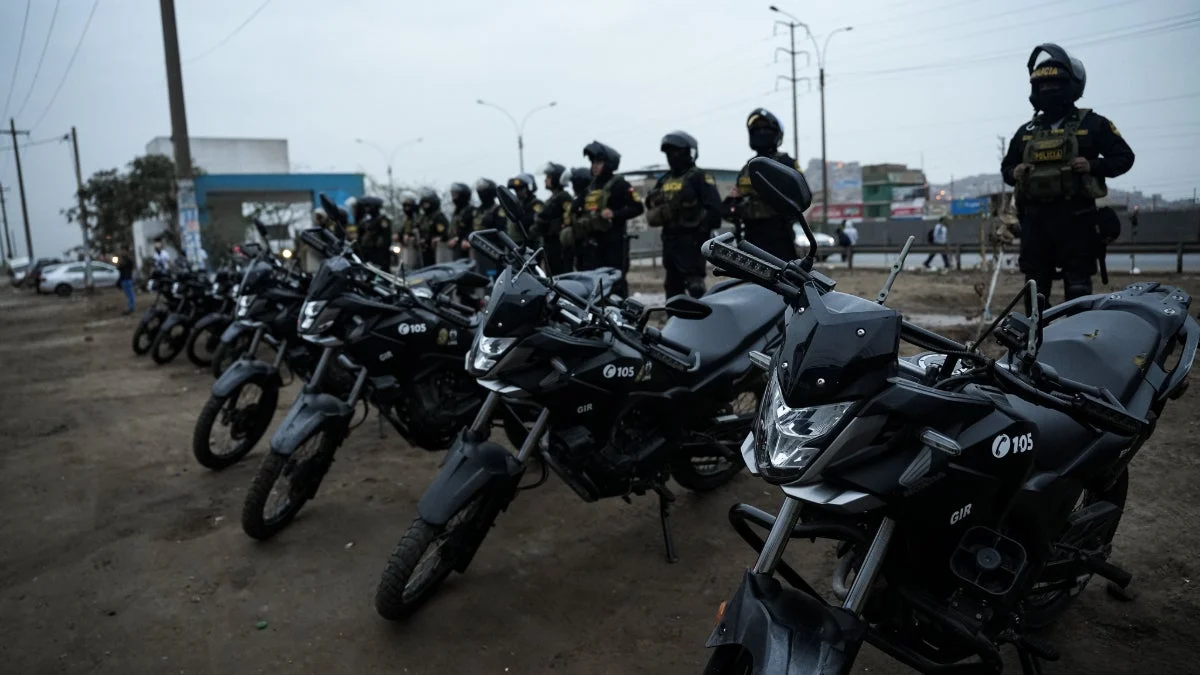
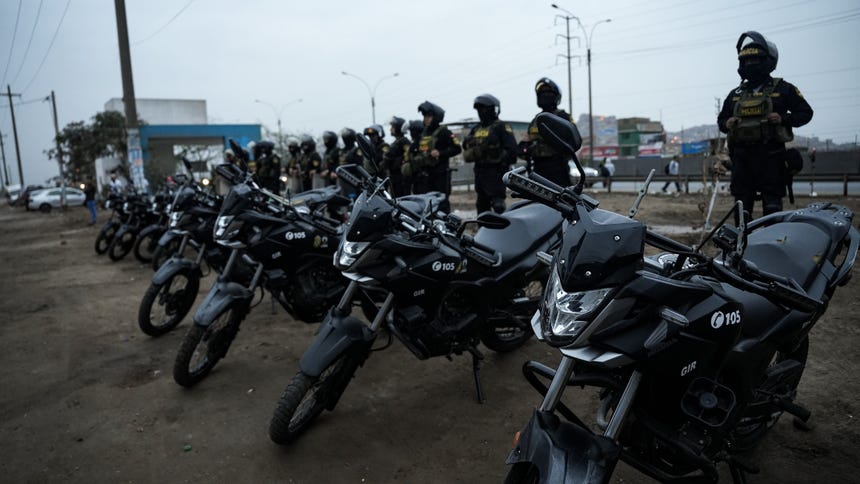
The measure empowers the Peruvian National Police (PNP) to maintain internal order with the critical support of the Armed Forces. This structural adjustment signals a transition from routine policing to a high-intensity operational phase, characterized by increased military visibility and centralized decision-making.
Main Facts: The Scope of the Emergency Decree
The emergency declaration is not merely a symbolic gesture but a legal framework that temporarily recalibrates the relationship between the state and its citizens. Under the current decree, four fundamental constitutional rights are restricted:
- Inviolability of the domicile: Allowing security forces broader latitude in conducting investigations.
- Freedom of transit: Enabling checkpoints and restricted access to high-risk zones.
- Freedom of assembly: Restricting mass gatherings to prevent potential security breaches.
- Personal liberty and security: Granting authorities enhanced powers during detentions.
A critical component of this decree is the mandate regarding public events. Any activity—whether religious, cultural, or sporting—that carries a mass-participation nature must now receive explicit authorization from the competent authorities. This serves to ensure that large gatherings do not become targets for criminal activity or flashpoints for public disorder.
Chronology of the Escalation
The decision to impose this state of emergency follows a sustained period of rising public alarm.
- Pre-Emergency Phase: Over the last six months, Lima and Callao witnessed a spike in extortion, contract killings, and robberies, leading to widespread protests from business owners and transport workers.
- The Proclamation: Following an emergency cabinet meeting, the government formalized the decree on August 28, 2026.
- The 24-Hour Window: Within the first 24 hours of the decree’s publication, the government established the Unified Operational Coordination Command.
- Implementation: Immediate deployment of joint patrols began in identified “red zones,” focusing on transit hubs, public markets, and commercial epicenters.
Supporting Data and Strategic Infrastructure
The government has moved beyond simple street patrols, implementing a high-tech and systemic approach to dismantling criminal networks.
The Unified Operational Coordination Command
Centralization is the cornerstone of this initiative. The Command is chaired by the Commander General of the National Police and integrates a diverse array of stakeholders:
- The Chief of the Joint Staff of the Armed Forces.
- Technical secretariat of CONASEC (National Council for Citizen Security).
- The DINI (National Intelligence Directorate).
- Representatives from the Ministry of Economy and Finance, INDECI, the Public Prosecutor’s Office, the Judiciary, and the mayors of Lima and Callao.
Penal Reform and Technological Interdiction
Recognizing that many criminal operations are directed from within the prison system, the government has implemented drastic measures:
- Electrical Blackouts in Cells: The state has ordered the disconnection of electricity to individual cells, maintaining only essential exterior lighting to prevent the charging of illicit mobile devices.
- Antenna Dismantling: Illegal telecommunications infrastructure surrounding prisons is being systematically removed.
- Polygraph Testing: The National Intelligence System will conduct mandatory polygraph tests on all personnel of the National Penitentiary Institute (INPE) to identify and root out corruption within the prison guards.
- Satellite Intelligence: The Peruvian Space Agency (CONIDA) is providing high-resolution satellite imagery to monitor high-crime areas, allowing for more precise tactical deployments.
Official Responses and Tactical Deployment
The government has emphasized that this is a "total force" approach. Local municipal governments have been authorized to significantly increase the recruitment of serenos (municipal security guards), with a specific focus on hiring individuals who have prior experience in the Armed Forces or the National Police. This strategy aims to bridge the gap between community-level vigilance and professional tactical force.
The Role of Future Personnel
To bolster the ranks, the government has ordered:
- Cadet Integration: Final-year police cadets will be deployed to police stations to handle both administrative and operational support roles, freeing up seasoned officers for field duty.
- Military Training: Students of military academies will participate in deterrent marches and training exercises in areas designated by the Unified Command, increasing the psychological pressure on criminal elements.
Specialized Fiscalization
A newly formed Fiscalization Committee, headed by the National Criminal Investigation Directorate, is tasked with executing targeted raids. These operations focus on:
- Trafficking in persons.
- Illegal narcotics distribution.
- Black-market weapons trading.
- The illicit sale of unregistered SIM cards, which are frequently used to facilitate extortion rackets.
Implications: A Shift in Security Philosophy
The state of emergency represents a departure from traditional law enforcement. By mandating that operational personnel refrain from using personal communication devices during sensitive missions and requiring the use of identity-concealing gear during special operations, the state is treating the streets of Lima and Callao as a contested theater of operations.
Economic and Social Impact
The economic implications of these measures are significant. While the government aims to create a safer environment for commerce, the restrictions on movement and the requirement for permits for public events could impact the informal economy and local entertainment sectors. However, the government argues that the long-term economic stability of the city depends on breaking the cycle of extortion that has crippled local businesses.
The Debate on Civil Liberties
Critics of the move have expressed concern over the suspension of constitutional rights. The ability of the state to detain individuals without standard judicial oversight, even for a limited period, is a power that necessitates rigorous monitoring by human rights organizations and the Public Prosecutor’s Office. The government has countered that the current level of criminal violence has created a state of "de facto" insecurity that necessitates these temporary "de jure" measures.
Conclusion: The Path Forward
The 60-day window is a critical test for the current administration. The success of this strategy will not be measured merely by the number of arrests, but by the tangible reduction in the fear felt by the average citizen. By integrating satellite technology, prison intelligence, military support, and municipal resources, the government is signaling that it is no longer willing to tolerate the status quo.
As the Unified Operational Coordination Command begins its work, the eyes of the nation are fixed on whether this "iron fist" policy will succeed in reclaiming the streets. The logistical challenges are immense—ranging from the coordination of diverse state agencies to the internal reform of the prison system. For now, the people of Lima and Callao remain in a state of high alert, hopeful that these extraordinary measures will lead to the restoration of the normalcy and safety that has been so elusive in recent times.
The effectiveness of this plan will ultimately depend on the transparency of the oversight committees and the discipline of the combined forces. If implemented correctly, this state of emergency could provide the necessary breathing room to restructure the security architecture of Peru’s most populous regions. If it fails, the government may face even greater challenges in maintaining public trust in the state’s ability to protect its most basic right: the right to life.