Introduction: A New Era for Scania in Peru
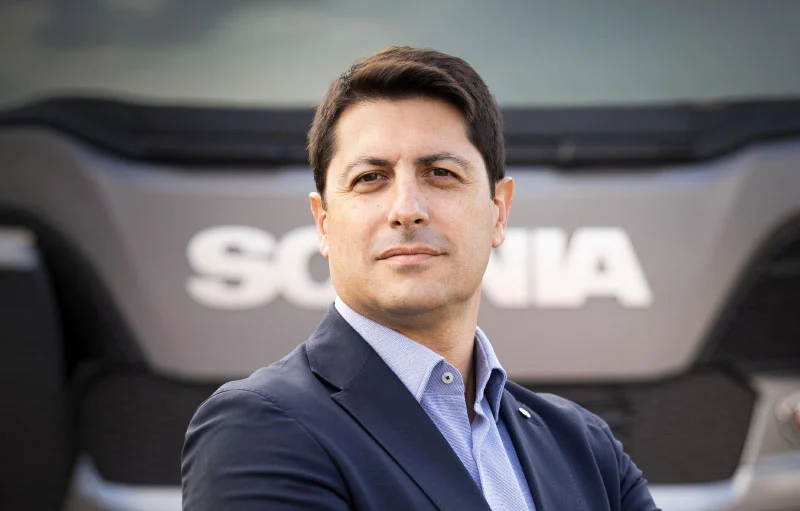
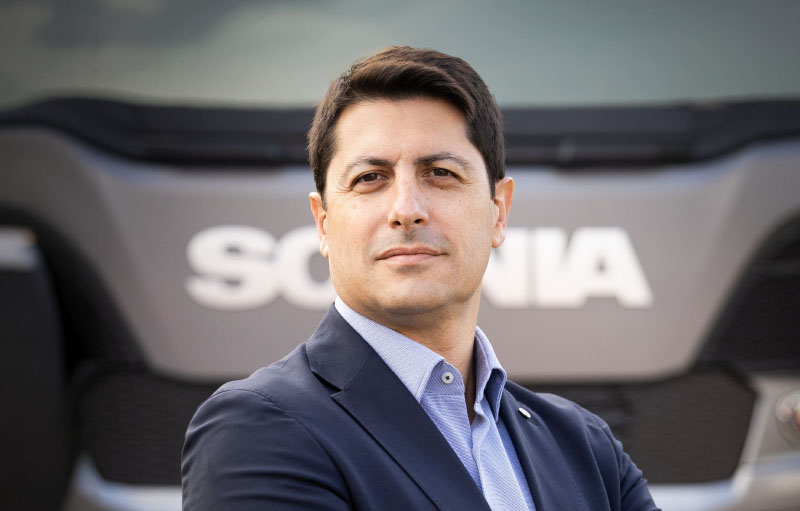
Scania Peru, the local subsidiary of the world-renowned Swedish manufacturer of heavy commercial vehicles, has officially announced the appointment of Fernando Ríos as its new Chief Executive Officer (CEO). Effective September 1, 2024, Ríos steps into this pivotal role, reporting directly to Roberto Barral, the Executive Director for the Americas (AMR) region. This leadership transition marks a significant milestone for the company, as it arrives during a landmark year in which Scania celebrates 75 years of uninterrupted operations in the Peruvian market.
As the transportation sector faces unprecedented pressure to decarbonize and modernize, Ríos brings two decades of global experience to navigate these challenges. His mandate is clear: to solidify Scania’s position as a leader in sustainable transport solutions while driving operational excellence across the mining, logistics, and public transportation sectors.
Main Facts: The Profile of a Global Leader
Fernando Ríos is not a newcomer to the Scania ecosystem. With over twenty years of dedicated service to the brand, he has cultivated a deep understanding of the company’s corporate culture, engineering philosophy, and commercial strategy. His career path has been characterized by international mobility, having led high-performance teams and business operations across diverse markets in both the Americas and Europe.
Ríos’s expertise spans several critical domains:
- Strategic Business Development: A proven track record in identifying market gaps and scaling operations.
- Customer Relationship Management: A focus on building long-term partnerships in high-stakes industries like mining and long-haul logistics.
- Operational Leadership: Managing large-scale, multicultural teams to drive efficiency.
- Multidisciplinary Education: Ríos holds an undergraduate degree in Administration and Strategic Planning from the University of Buenos Aires, an Executive Master’s from the prestigious IAE Business School, and specialized business training from the Stockholm School of Economics.
His appointment is viewed by industry analysts as a strategic move to align the Peruvian subsidiary more closely with global sustainability goals, leveraging his experience in European market dynamics to enhance local efficiency.
Chronology: Seven Decades of Innovation
The appointment of Fernando Ríos occurs at a juncture that is historically significant for Scania in Peru. To understand the weight of this leadership change, one must look at the company’s trajectory within the country:
- 1949 – The Arrival: Scania establishes its initial presence in Peru, bringing European engineering to the burgeoning post-war infrastructure sector.
- 1990s – Modernization: The company begins expanding its technical footprint, moving beyond mere sales to include specialized maintenance services.
- 2010s – The Sustainability Shift: Scania Peru begins a comprehensive pivot toward alternative fuels, including Natural Gas (LNG/CNG) vehicles, which become a hallmark of their local portfolio.
- 2020s – Digital Transformation: Launching advanced connectivity services, telematics, and predictive maintenance to reduce vehicle downtime for mining clients.
- 2024 – The 75th Anniversary: The company commemorates its diamond jubilee in Peru, coinciding with the transition of leadership to Fernando Ríos to lead the next phase of the energy transition.
Supporting Data: Scania’s Global and Local Footprint
To appreciate the scale of the organization that Fernando Ríos is now leading in Peru, it is essential to examine the company’s current standing. Globally, Scania continues to be a juggernaut in the heavy vehicle industry.
Global Performance (2024 Snapshot)
- Truck Deliveries: 96,443 units globally.
- Bus Deliveries: 5,626 units.
- Industrial/Marine Engines: 11,170 systems delivered.
- Financial Health: Annual net sales reaching 216,000 million Swedish Krona, with a significant 20% of revenue derived from service-based contracts—a testament to the company’s "Total Operating Economy" business model.
- Workforce: 59,000 employees worldwide operating across 100 countries.
The Peruvian Infrastructure
In Peru, the scale of operations is significant, serving as a hub for the Andean region:
- Personnel: Over 600 highly trained employees.
- Network: Nine direct branches (Lima, Chiclayo, Cajamarca, Arequipa, Cusco, Juliaca, Piura, Trujillo, and Huancayo).
- After-sales: Four dedicated parts stores (Lima, Tarapoto, Huamachuco, and Cusco) and comprehensive Customer Workshop Services (CWS) distributed nationwide.
Official Responses and Strategic Outlook
In internal communications following his appointment, Fernando Ríos emphasized that his tenure will be defined by continuity and innovation. "Our goal is not merely to sell trucks or buses, but to provide an integrated ecosystem of efficiency," Ríos stated. He highlighted that his immediate priority is to strengthen the connection between Scania’s engineering capabilities and the specific operational challenges faced by Peruvian entrepreneurs.
Roberto Barral, Executive Director for the AMR region, expressed confidence in the transition, noting that Ríos’s background in European business models makes him uniquely qualified to push for faster adoption of sustainable technology in Peru. "The market in Peru is evolving rapidly, particularly in the mining sector. We need a leader who understands both the technical demands of our engines and the strategic needs of our clients’ bottom lines," Barral remarked.
Implications: What This Means for the Peruvian Market
The arrival of a new CEO at such a critical time signals several key shifts for the Peruvian transport industry:
1. Acceleration of Decarbonization
Scania has been a vocal proponent of moving away from traditional diesel toward cleaner energy. Under Ríos, it is expected that the company will aggressively promote its LNG (Liquefied Natural Gas) fleet, which is already gaining traction in the mining and cross-country logistics sectors.
2. Enhanced Digitalization
As global supply chains become increasingly data-driven, Scania Peru is expected to ramp up its "Connected Services." By utilizing real-time data from vehicle fleets, the company aims to help its customers optimize fuel consumption and predict maintenance intervals before mechanical failures occur.
3. Strengthening the Mining-Transport Nexus
Peru’s economy relies heavily on mineral exports. Because these operations occur in some of the most challenging terrains in the world—high altitudes and extreme temperatures—Scania’s role is vital. Ríos’s mandate includes enhancing the "Scania Mining" value proposition, which involves dedicated on-site workshops and bespoke financing packages designed to help mining contractors manage high-capital expenditure cycles.
4. A Human-Centric Corporate Culture
With a focus on leadership in multicultural environments, Ríos is expected to prioritize the development of local talent. By fostering a culture of continuous training for the 600+ staff members, Scania aims to set a benchmark for workforce safety and professional growth in the automotive sector.
Conclusion: A Future Built on Legacy
As Scania Peru enters its 76th year of operation under the guidance of Fernando Ríos, the company finds itself at a crossroads of tradition and transformation. The automotive landscape is shifting from hardware-focused sales to service-led, sustainable solutions.
Ríos steps into the role with the full backing of the TRATON Group and a deep, historical understanding of the Scania brand. His mission to balance the legacy of 75 years with the urgent demands of the 21st-century green economy will likely serve as a case study for the entire regional transportation sector. For Peru’s logistics and mining industries, the message is clear: Scania is not just staying for the long haul; it is recalibrating to lead the way toward a more efficient, safer, and sustainable future.