By Editorial Staff
The National Service for Environmental Certification for Sustainable Investments (Senace), an agency attached to the Peruvian Ministry of the Environment (Minam), has announced a strategic roadmap to certify more than US$ 20 billion in sustainable projects before the close of the current year. This ambitious target underscores a pivotal shift in Peru’s economic policy: reconciling the urgent need for large-scale infrastructure and industrial development with the rigorous demands of environmental preservation and social welfare.
As the country navigates a complex global economic landscape, Senace has positioned itself as the gatekeeper of quality and sustainability, ensuring that the engine of national growth—mining, transport, and energy—does not come at the expense of Peru’s natural heritage.
The Strategic Vision: Balancing Growth and Ecology
The mandate of Senace is clear: to act as a technical, transparent, and objective body responsible for the environmental evaluation of the most significant investment projects in the country. By leveraging advanced digital infrastructure, including artificial intelligence and satellite monitoring, the agency aims to streamline bureaucratic processes without compromising on safety or ecological integrity.
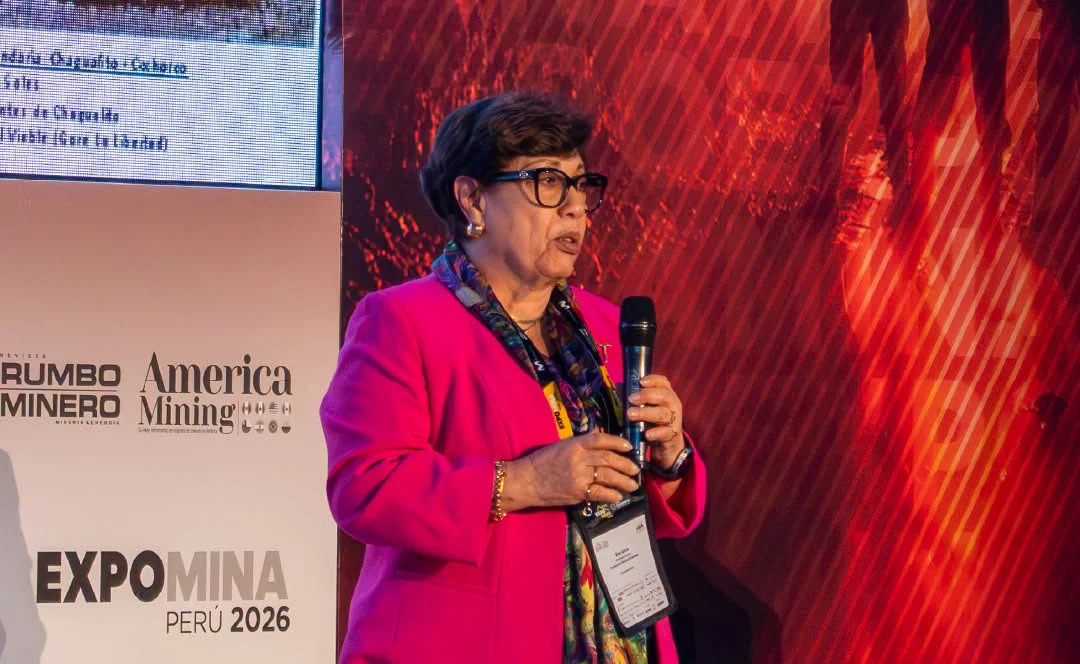
Minister of the Environment, Vladimiro Huaroc, emphasized the necessity of this dual-track approach during a recent industry forum. "Senace is currently managing a diverse portfolio of multiple projects. For this year alone, we expect to certify a figure exceeding US$ 20 billion in sectors ranging from mining and infrastructure to agriculture and transport," Huaroc stated. "These are the pillars of the Peruvian economy. Peru must accelerate its flow of sustainable investments, but it must do so with an unwavering commitment to protecting our environmental assets."
The minister’s remarks reflect a broader government objective: to foster an environment where private capital feels secure, and the public feels protected. By de-risking projects through meticulous environmental impact assessments (EIAs), Senace provides the legal and technical certainty that investors require to deploy capital in high-impact markets.
A Chronology of Progress: 2026 Milestones
The momentum behind Senace’s 2026 performance is not merely aspirational; it is grounded in a rigorous track record established during the first three quarters of the year.
Q1 – Q2: Strengthening the Pipeline
The first half of the year was characterized by a massive internal optimization of evaluation protocols. By integrating new software tools and streamlining the interaction between the agency and the project proponents, Senace successfully reduced the "dead time" in the assessment phase. This period saw the initiation of several high-profile mining expansion projects that required complex biodiversity mitigation strategies.
Q3: Achieving Scale
Between January and the first week of September 2026, Senace achieved a significant milestone by approving 138 individual files. The total value of these approved investments exceeded US$ 14 billion. This rapid acceleration confirms that the agency has moved past the post-pandemic bottlenecks that previously plagued environmental permitting in the region.
August Landmark: The "New Central Highway"
A defining moment for the agency occurred in August, when Senace approved the Environmental Impact Study (EIA-d) for the "New Central Highway" (Nueva Carretera Central). This project is arguably the most significant infrastructure undertaking in modern Peruvian history, aimed at connecting three major districts in Lima and eventually linking the capital city to the vital central highlands. The approval was delivered ahead of the legal deadline, signaling a newfound efficiency within the administrative framework.
Supporting Data and Technical Infrastructure
The efficacy of Senace is largely attributed to its ongoing digital transformation. The agency has moved away from traditional, paper-heavy evaluation methods in favor of a data-driven ecosystem.
- Artificial Intelligence Integration: Senace currently utilizes AI-driven predictive modeling to identify potential environmental risks in project sites before they manifest. This allows for proactive mitigation strategies.
- Satellite Monitoring: Through its collaboration with international partners, Senace monitors the environmental footprint of approved projects in real-time. This ensures that the conditions set out in the initial EIA are strictly adhered to during the construction and operation phases.
- Participatory Governance: Digital tools have been deployed to increase public participation. By providing platforms for citizens to voice concerns, Senace ensures that local communities remain informed stakeholders rather than passive observers.
Official Perspectives: The Leadership Mandate
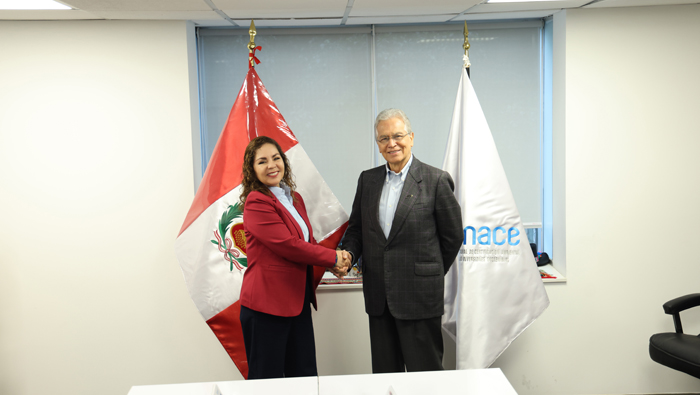
Silvia Cuba, the Executive President of Senace, has been a driving force behind the agency’s modernization. In a recent address to the public and private sectors, she highlighted the symbiotic relationship between institutional trust and economic stability.
"The country requires public investment for competitiveness and private investment for economic dynamism, but both must comply with the highest environmental standards," Cuba stated. "Investors and the citizenry must have faith in the solid work performed by Senace. We are constantly in processes of innovation and optimization. Our core role is to guarantee that every dollar invested today results in a sustainable outcome for the future."
Cuba’s message is directed as much at international investors as it is at domestic critics. By maintaining a high standard of professional independence, Senace aims to reduce the "permitting risk" that often keeps foreign investors on the sidelines in emerging markets.
International Collaboration: The Italian Connection
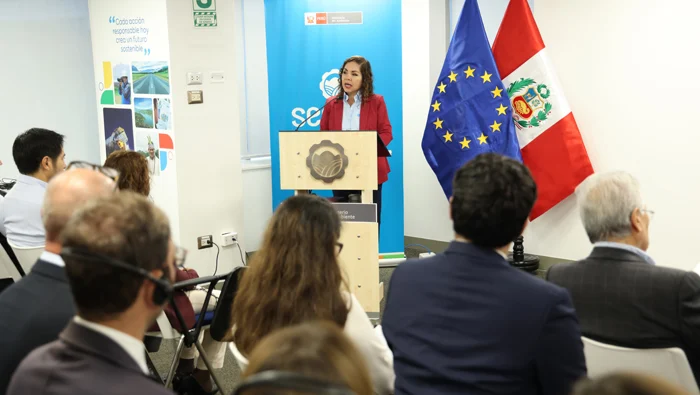
The pursuit of excellence at Senace is not occurring in a vacuum. A recent highlight of the agency’s calendar was the "Exchange of Experiences in Environmental Evaluation" held in Lima, which facilitated a high-level knowledge transfer between Senace and the Italian Institute for Environmental Protection and Research (ISPRA).
This initiative was supported by the Technical Assistance and Information Exchange (TAIX) mechanism, a program funded by the European Union. The collaboration focused on:

- Methodological Harmonization: Aligning Peruvian environmental impact assessment techniques with EU best practices.
- Technological Integration: Adopting European systems for environmental surveillance and satellite-based land-use monitoring.
- Capacity Building: Training Senace staff on the latest European standards for hazardous waste management and water quality tracking.
Minister Huaroc lauded the initiative, noting that the exchange has been "invaluable." By aligning with global standards, Senace is not only improving its internal metrics but is also signaling to the international community that Peru is open for business under a framework of global environmental excellence.
Implications for the Future of Peru
The goal of US$ 20 billion in certified sustainable investment by the end of 2026 is more than a budgetary target; it is a declaration of intent. The implications of achieving this milestone are far-reaching:
Economic Stability
By clearing the path for US$ 20 billion in investment, Peru is creating a cushion against regional economic volatility. Projects that receive Senace approval are typically long-term investments that generate thousands of jobs, drive regional infrastructure, and contribute to the national tax base.
Environmental Stewardship
The shift toward "sustainable certification" means that the projects being approved are subject to more stringent conditions than ever before. This includes water recycling requirements in mining, carbon-neutral construction mandates in transport, and mandatory biodiversity protection zones.
Social Peace
A recurring issue in Peru has been the social conflict surrounding major industrial projects. By emphasizing transparent, data-backed processes and encouraging public participation, Senace is attempting to reduce the asymmetry of information that often leads to social unrest. When citizens understand the environmental safeguards in place, the path to project implementation becomes significantly smoother.
Global Competitiveness
As the world transitions toward a green economy, the ability to demonstrate "green" credentials is no longer a luxury; it is a necessity for accessing international credit markets. By adopting the standards supported by the European Union and ISPRA, Peru is making its projects more attractive to international financiers who prioritize Environmental, Social, and Governance (ESG) criteria.
Conclusion
As the year approaches its final quarter, all eyes remain on the offices of Senace. With the groundwork laid and the technology in place, the agency is set to be the primary engine of Peru’s developmental progress. If the current trajectory holds, the achievement of the US$ 20 billion target will not only be a success for the Ministry of the Environment but a cornerstone for Peru’s economic narrative for the next decade—a narrative defined by the harmonious balance of industrial growth and the preservation of the Andean nation’s rich natural heritage.