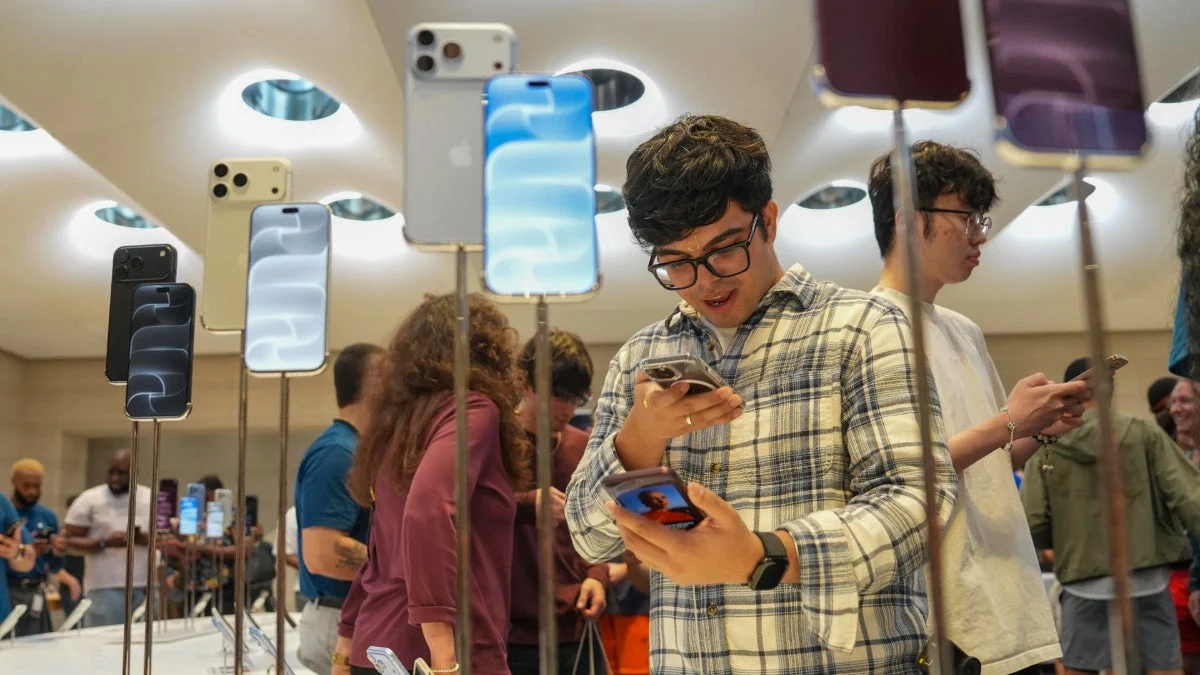
The rhythmic pulse of the technology world beat with renewed intensity this morning as the highly anticipated iPhone 18 Pro and Pro Max officially hit the shelves. In a scene reminiscent of the smartphone’s nascent years, a serpentine queue formed outside the iconic glass cube of the Apple Fifth Avenue flagship store in New York City. Despite the shift toward digital pre-orders and home deliveries, the physical retail experience remains a cultural touchstone, drawing hundreds of enthusiasts who braved the pre-dawn chill to be among the first to secure Apple’s latest iteration of mobile computing.
Main Facts: A New Benchmark in Silicon and Optics
The launch of the iPhone 18 series represents more than a mere incremental upgrade; it signals a fundamental shift in how Apple integrates generative artificial intelligence with custom-silicon architecture. The iPhone 18 Pro and Pro Max are headlined by the A20 Bionic chip, a feat of engineering that boasts a 3-nanometer process architecture designed specifically for on-device neural processing.
Key features driving the current frenzy include:
- The Neural Engine Expansion: A 40% increase in machine learning performance, allowing for real-time video translation and advanced creative tools that operate entirely offline.
- Photonic Fusion Array: A triple-lens system featuring a new 60-megapixel primary sensor with a variable aperture, capable of capturing professional-grade low-light imagery that rivals dedicated mirrorless cameras.
- Titanium-Graphene Chassis: A material science breakthrough that offers increased durability while significantly reducing the overall weight of the device, addressing a primary pain point of previous Pro Max iterations.
- Satellite-Direct Connectivity: An enhanced SOS and communication suite that allows for full-bandwidth data transmission in remote areas where traditional cellular towers remain inaccessible.
Chronology: A Night of Anticipation
The atmosphere outside the Fifth Avenue location began to solidify at approximately 2:00 AM. While the digital age has largely democratized access to new technology, the "first-in-line" culture persists as a badge of honor for the Apple faithful.
02:00 AM: The first group of dedicated fans, some having traveled from as far as Tokyo and Berlin, arrived at the subterranean entrance. Chairs were unfolded, and thermal blankets were deployed against the early autumn New York breeze.
05:00 AM: The line stretched three city blocks, winding past high-end retail neighbors. Apple staff, dressed in the iconic blue company attire, began circulating with refreshments and checking order credentials to ensure a seamless transition into the store.
08:00 AM: As the sun rose over the Manhattan skyline, the store doors opened. A roar of applause erupted from the staff, signaling the commencement of the global rollout. The first customers were greeted with the signature Apple welcome, their devices prepared and awaiting activation.
10:00 AM: Global reports confirmed simultaneous launches in London, Dubai, and Tokyo, with inventory levels remaining stable despite the high volume of initial foot traffic.
Supporting Data: Market Trends and Consumer Behavior
The enthusiasm seen on Fifth Avenue is mirrored in broader market indicators. Analysts from IDC and Gartner have noted that the "upgrade cycle" for the iPhone has reached a critical inflection point. With the iPhone 15 and 16 series now considered aging technology, a significant portion of the base—estimated at nearly 300 million users—is eligible for an upgrade.
The economic implications are substantial. Early projections suggest that the iPhone 18 series will outperform the iPhone 15 in first-quarter sales by approximately 15%. This surge is attributed to the "Super-Cycle" hypothesis, which posits that the inclusion of advanced generative AI features acts as a primary catalyst for consumer spending, even in a cautious macroeconomic climate.
Furthermore, the secondary market for older models remains robust. Trade-in programs, which Apple has aggressively promoted this year, have incentivized a higher volume of "circular economy" participation, where users trade in their iPhone 16s and 17s for significant discounts, effectively lowering the barrier to entry for the $1,099 starting price of the Pro model.
Official Responses and Corporate Strategy
In a brief statement provided to the press outside the Fifth Avenue location, Apple’s Senior Vice President of Retail, Deirdre O’Brien, emphasized the store’s role as a "community hub" rather than just a point of sale.
"The energy we see here today is a testament to the relationship we have built with our users," O’Brien stated. "The iPhone 18 Pro isn’t just about hardware specifications; it’s about the tools we are putting into the hands of creators, doctors, and students. Seeing these people here, waiting to engage with this technology, validates the thousands of hours our engineering teams have poured into this project."
Apple’s official stance remains focused on the "ecosystem integration" of the new devices. By syncing the iPhone 18 Pro with the latest Vision Pro spatial computing updates and the newest Mac workstations, the company is attempting to lock users into a seamless digital workflow that makes the iPhone the central nervous system of their professional and personal lives.
Implications: The Future of the Smartphone Industry
The launch of the iPhone 18 Pro brings forth several critical questions regarding the future of the smartphone market.
The AI Integration Conundrum
As the iPhone 18 shifts toward on-device AI, the privacy implications are immense. Apple has doubled down on its commitment to the "Private Cloud Compute" architecture, ensuring that even as the device becomes "smarter" and more intuitive, user data remains encrypted and localized. Competitors in the Android space are watching closely, as the success of this model will likely dictate the industry standard for AI ethics and data handling.
Retail Evolution
The physical line at Fifth Avenue is a paradox in an age of e-commerce. It represents a lingering desire for human connection in a digital transaction. Analysts suggest that Apple will continue to maintain these physical flagships, not for volume, but for "brand theater." The store acts as a living advertisement, reinforcing the premium nature of the product through the sheer visibility of the excitement surrounding it.
Sustainability and Durability
With the introduction of the titanium-graphene alloy, Apple is signaling a pivot toward longevity. By creating devices that are physically tougher and internally faster, the company is implicitly responding to regulatory pressures in the European Union regarding the "Right to Repair" and e-waste reduction. If the iPhone 18 holds its value and performance for four to five years—as current benchmarks suggest—it could fundamentally alter the traditional two-year upgrade cycle.
Conclusion: A Milestone in Mobility
As the sun sets on the first day of sales, the scene at Fifth Avenue is beginning to normalize, though the line remains consistent. For those who secured their iPhone 18 Pro or Pro Max, the device represents the culmination of a decade of rapid innovation.
For the tech industry at large, the launch serves as a bellwether. The iPhone 18 is not merely a phone; it is a manifestation of the current technological zeitgeist—an intersection of AI, material science, and global consumerism. While the crowds will eventually disperse and the initial hype will settle into the routine of daily usage, the impact of this launch will be felt in the balance sheets of Cupertino and the pockets of millions of users worldwide for years to come. The era of the iPhone 18 has arrived, and if the early morning energy is any indication, it is poised to redefine the standards of the mobile experience once again.