Executive Summary: A Paradigm Shift in Disaster Management
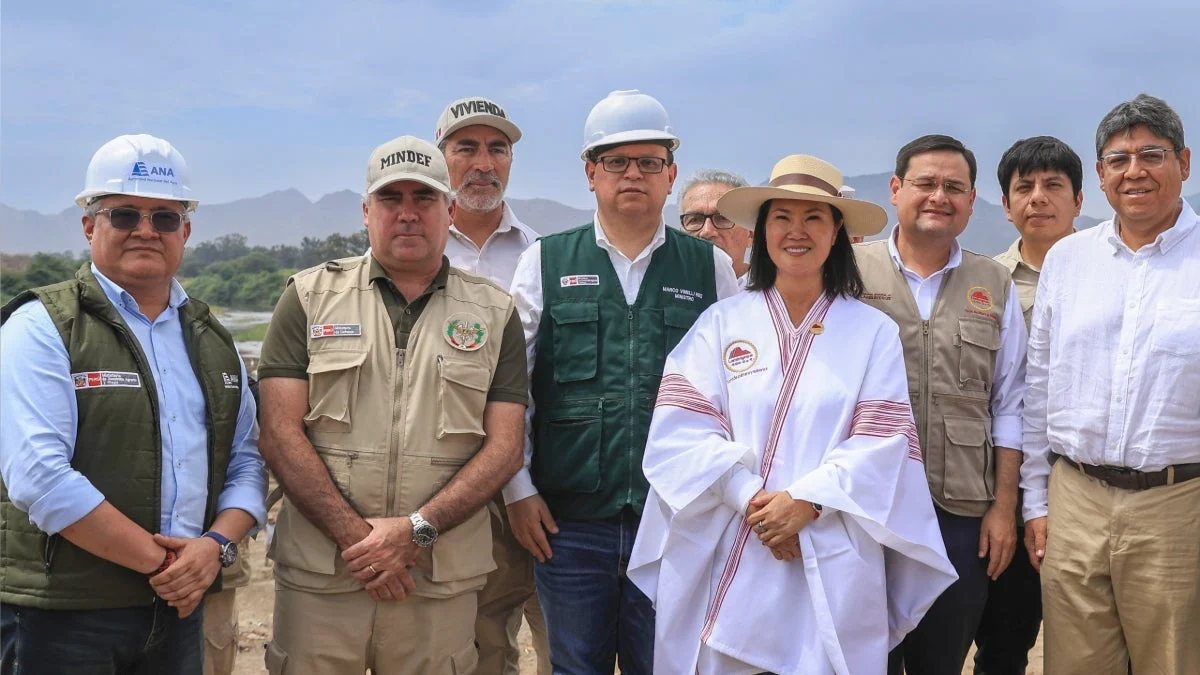
The Peruvian government is signaling a transformative shift in how it manages climate-related disasters. Manuel Layseca, the Vice Minister of Agricultural Development Policy and Supervision, has proposed that the temporary mechanism for "Works for Taxes" (Obras por Impuestos), currently deployed to mitigate the impacts of the El Niño phenomenon, be institutionalized as a permanent tool for private sector engagement in national infrastructure.
By allowing private companies to finance and execute urgent preventative works in exchange for tax credits, the government aims to move beyond the traditional, often cumbersome, public procurement cycles. This strategy, currently utilized under the urgency of the 2026 climate crisis, is viewed by the administration as a blueprint for long-term reconstruction, adaptation, and proactive resilience-building across the country.
Chronology: The Evolution of the "Works for Taxes" Mechanism
1. The Trigger: The 2026 Climate Emergency
As the threat of the El Niño phenomenon loomed over the 2026 agricultural season, the Peruvian executive branch faced an urgent need to mobilize resources rapidly. Conventional public works processes were deemed too slow to address the immediate risk of floods, landslides, and infrastructure degradation.
2. The Legislative Catalyst: Decree 010-2026
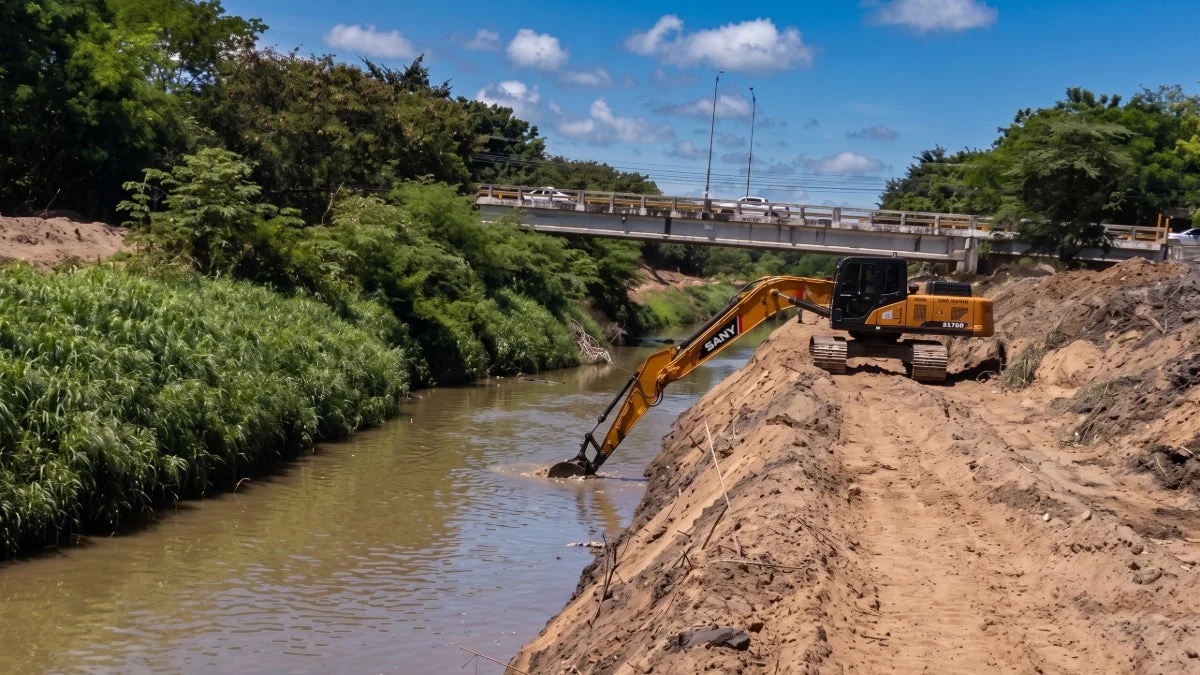
In August 2026, the government issued Emergency Decree N° 010-2026. This legal framework established a "fast-track" channel, enabling private entities to step in and execute critical tasks—such as river desilting and emergency dredging—that were essential for survival and economic continuity. The companies would be reimbursed through tax certificates, effectively converting private capital into public utility.
3. Scaling the Scope: From Basic Cleaning to Comprehensive Resilience
Following the initial implementation, the Ministry of Agrarian Development and Irrigation (MIDAGRI) expanded the list of eligible interventions. By late 2026, the scope included 10 specific categories:
- Cleaning and descolmatization of riverbeds and ravines.
- Leasing of heavy machinery for emergency operations.
- High-capacity water pumping and management.
- Protective measures for livestock and crop fields.
- Construction of micro-reservoirs and temporary water storage units.
4. The Vision for 2027 and Beyond
At the Perú Sostenible 2026 event, Vice Minister Layseca articulated that this six-month window was never intended to be the final chapter. He proposed that the success of these public-private partnerships should serve as the foundation for a permanent legislative framework for post-disaster reconstruction and long-term adaptation.
Supporting Data: Infrastructure and Investment Breakdown
The government’s commitment to climate mitigation is backed by substantial financial allocation. Vice Minister Layseca confirmed that nearly S/ 2,000 million (approximately $530 million USD) has been earmarked for risks associated with El Niño, covering both prevention and direct disaster response.
Targeted Interventions
The strategic approach has shifted from broad, non-specific spending to highly targeted interventions. At the start of the current administration, authorities identified approximately 1,700 "critical points" across the national territory. To ensure efficiency and immediate impact, the government has prioritized 536 of these sites across eight key regions. These interventions focus primarily on:
- Riverbed Descolmatization: Removing accumulated sediment to prevent overflow.
- Hydraulic Protection: Strengthening embankments and spillways.
- Water Management: Improving drainage and storage capacity to mitigate both flood risks and potential periods of hydrological deficit.
Financial Mobilization
Beyond the S/ 2,000 million total budget, the specific mechanism for "Works for Taxes" currently has an assigned budget of S/ 146 million. Layseca emphasized that this capital is already being activated, allowing multiple private actors to participate in the mitigation efforts, thereby diversifying the sources of investment and accelerating project delivery times.
Official Responses and Strategic Vision
During his address at Perú Sostenible 2026, Manuel Layseca provided a nuanced view of the government’s long-term strategy. He warned that while managing "critical points" is vital when the rains are imminent, the country cannot rely solely on reactive measures.
The "High-Basin" Philosophy
Layseca advocated for a "top-down" approach to watershed management. "We have talked a lot about critical points—they are important today, but we have to think about the top of the basin," the Vice Minister stated. His vision includes:
- Harvesting Water (Siembra y Cosecha de Agua): Implementing ancestral and modern techniques to capture water in high-altitude areas.
- Restoration of Headwaters: Reconnecting and rehabilitating high-altitude ecosystems.
- Strategic Storage (Cochas): Utilizing natural and man-made lagoons to regulate water flow, ensuring that highland ecosystems are protected to prevent downstream catastrophes.
According to Layseca, this is not merely an emergency response; it is a structural necessity for the agricultural sector. He argued that the current collaborative success is a "proof of concept" that the private sector is a reliable partner in public works, provided the regulatory environment is stable and predictable.
Implications: A New Era for Peruvian Infrastructure
The proposal to institutionalize private participation in public works carries significant implications for Peru’s political economy and climate resilience.
1. Reducing the "Procurement Gap"
One of the perennial challenges in Peru has been the "execution gap"—the difference between the allocated budget for public works and the actual completion of those projects. By shifting some of this burden to the private sector via tax-incentivized mechanisms, the government effectively bypasses the bottleneck of traditional public procurement, where projects often stagnate due to administrative and bureaucratic hurdles.
2. Long-term Adaptation vs. Emergency Response
The move signals an acknowledgement that climate change is no longer an "exception" but the new reality. If the government succeeds in making these mechanisms permanent, it will allow for long-term investments in resilient infrastructure (such as dams, irrigation networks, and reforestation projects) that were previously sidelined in favor of immediate, short-term emergency repairs.
3. Private Sector Confidence and ESG Goals
For private companies, the ability to engage in "Works for Taxes" aligns with their Environmental, Social, and Governance (ESG) mandates. By investing in the communities where they operate, companies can secure their own supply chains—many of which are in the agricultural sector—while simultaneously fulfilling their tax obligations in a way that provides tangible, visible results to the public.
4. Risks and Challenges
While the proposal has been met with optimism, analysts suggest that the success of a permanent mechanism will depend on:
- Transparency and Auditing: Ensuring that the quality of works performed by private firms meets strict engineering standards.
- Regulatory Stability: Providing long-term legal guarantees to private entities so they can plan multi-year investments.
- Equitable Distribution: Preventing a concentration of private investment in high-profit regions, ensuring that remote and vulnerable rural areas receive equal attention.
Conclusion
The proposal by Vice Minister Manuel Layseca represents a watershed moment in Peruvian policy. By moving the "Works for Taxes" mechanism from the shadows of emergency legislation into the light of permanent policy, the government is attempting to redefine the relationship between the state and the private sector. If successful, this shift will not only improve Peru’s resilience against the next El Niño but will also establish a robust framework for sustainable development, ensuring that infrastructure is built not just for the next disaster, but for the next generation.