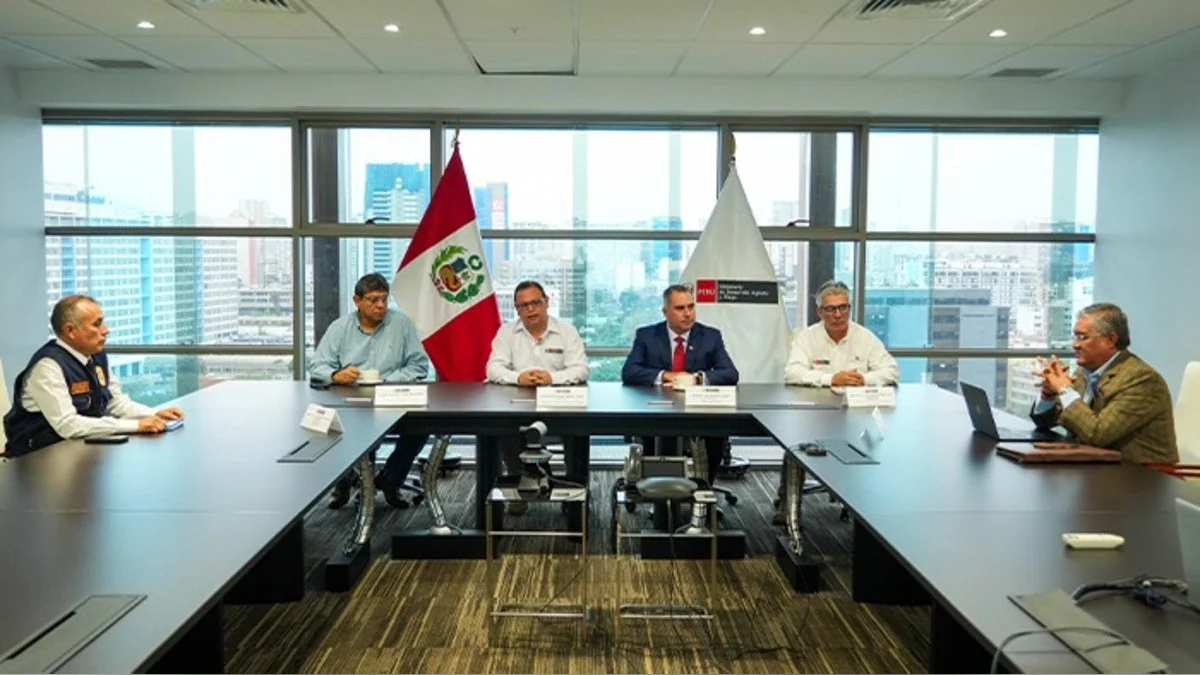
Lima, Peru – The Peruvian labor landscape is set for a pivotal transformation as the Ministry of Labor and Employment Promotion (MTPE) prepares to convene the National Council of Labor (CNT) this coming Thursday, September 3rd. This high-stakes meeting, which brings together government officials, representatives of the private sector, and labor unions, marks the beginning of a renewed tripartite dialogue aimed at addressing both immediate economic relief for workers and long-term structural challenges posed by climate change and the rapid evolution of artificial intelligence.
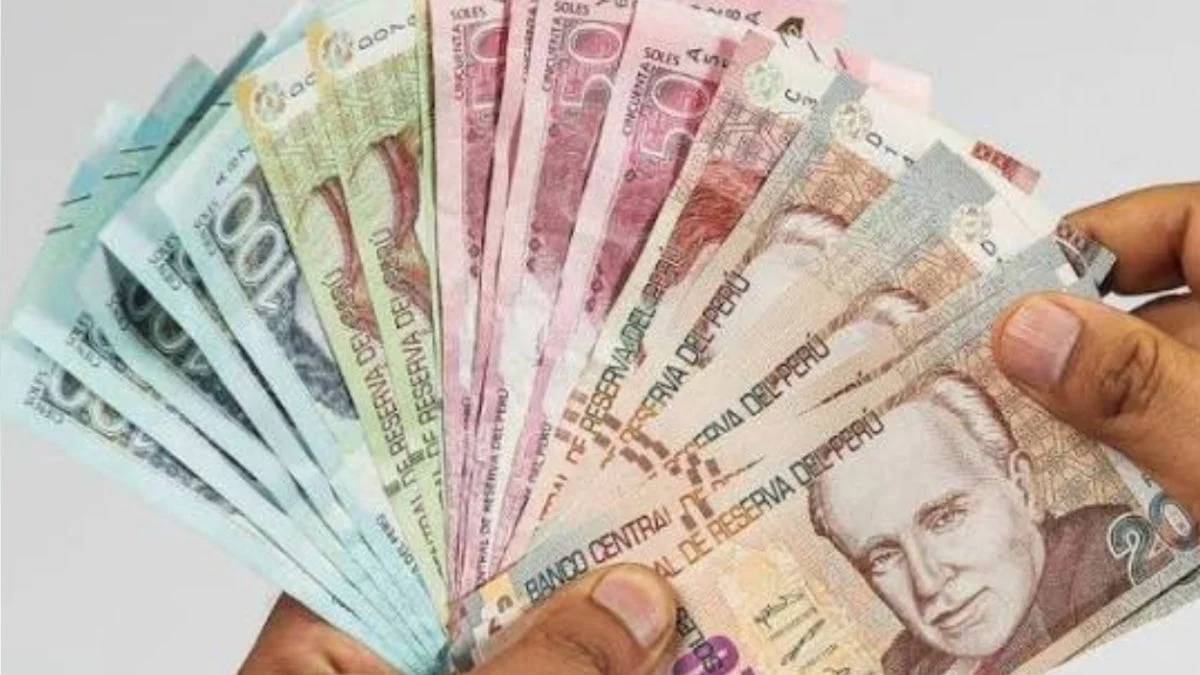
The primary item on the agenda is the long-awaited adjustment of the Remuneración Mínima Vital (RMV)—the country’s legal minimum wage—which is slated to rise from its current level of S/1,025 to S/1,300. This adjustment, while welcome by labor advocates, represents a complex economic balancing act that seeks to protect purchasing power without destabilizing the nation’s fragile recovery.
Main Facts: The Roadmap to S/1,300
The proposed increase in the minimum wage is not a singular event but a phased strategy designed to mitigate inflationary pressure. Following the directive issued by the administration, the adjustment will occur in two distinct tranches:
- First Tranche: An initial increase of S/100, scheduled to take effect between October and November of this year. This immediate injection is intended to provide relief to households struggling with the rising cost of living.
- Second Tranche: The remaining S/70 increase is scheduled for the following calendar year. The implementation of this second phase is contingent upon the stabilization of the national economy and, crucially, the subsiding of the adverse impacts caused by the El Niño Global phenomenon.
Labor Minister Juan Sheput, who recently confirmed the timeline during a meeting with the Federation of Construction Workers of Peru (FTCCP), emphasized that this "gradualist" approach is designed to ensure that small and medium-sized enterprises (SMEs) can absorb the increased labor costs without resorting to mass layoffs or informal hiring practices.
Chronology of the Debate
The journey toward this wage adjustment has been characterized by intense negotiation and external economic pressure.
- Early 2024: Discussions regarding the RMV gained momentum as inflation rates impacted the real value of the minimum wage. Labor unions began formalizing requests for a significant adjustment to align wages with the rising Consumer Price Index (CPI).
- July 28th (Message to the Nation): The government officially signaled its intent to raise the minimum wage to S/1,300. This served as a catalyst for the upcoming tripartite discussions, providing the political backing necessary for the Ministry of Labor to formalize the agenda.
- Late August: Minister Sheput held a series of bilateral meetings, most notably with the FTCCP, to align the government’s proposals with the specific demands of the construction sector—a bellwether for the broader national economy.
- September 3rd (Upcoming): The plenary session of the National Council of Labor will serve as the formal arena for consensus-building. This session is expected to set the regulatory framework for the upcoming ministerial decree.
Supporting Data: Economic Context and Labor Trends
The necessity of a wage hike is supported by a confluence of macroeconomic indicators. Despite a moderate recovery in GDP, the purchasing power of the average Peruvian worker has been eroded by persistent food inflation.
According to data provided by the Central Reserve Bank of Peru (BCRP), while the economy is showing signs of resilience, productivity growth remains stagnant. The challenge for the government is to ensure that the S/275 total increase in the RMV does not trigger a "wage-price spiral."
Furthermore, the integration of technology into the workplace has created a "productivity gap." Workers in the formal sector are increasingly finding that traditional skill sets are being bypassed by automation. The government estimates that nearly 30% of current manual labor tasks in the manufacturing and retail sectors could be optimized through AI-driven processes within the next decade. Consequently, the push for a higher minimum wage is being framed by the administration not just as a social necessity, but as a catalyst for firms to invest in higher-value, technology-integrated workflows.
Official Responses and Stakeholder Positions
The Ministry of Labor’s Stance
Minister Juan Sheput has positioned the Ministry as a mediator between "social justice and economic sustainability." During his address to the FTCCP, Sheput highlighted that the government is not merely interested in increasing the floor of the wage scale, but in modernizing the labor contract. "We are facing a dual challenge," Sheput noted. "We must protect the worker from the volatility of El Niño while simultaneously equipping them for the digital revolution. We have to anticipate, train our workers, and prepare them for the new jobs that do not even exist yet."
The Union Perspective
The FTCCP and other labor unions have expressed cautious optimism. While they acknowledge the government’s efforts, there is persistent pressure to ensure the second tranche of the increase is not delayed indefinitely. Union leaders argue that the "cost of living" does not wait for climate patterns to stabilize and that the current economic strain requires immediate, full implementation.
The Private Sector and Employers
Industry representatives remain wary. While there is a general consensus that a wage hike is inevitable, the primary concern remains the informality rate, which hovers near 70% in Peru. Business associations have cautioned that if the increase is too aggressive, it will inadvertently drive more businesses into the informal sector, where labor protections and minimum wage mandates do not apply.
Implications: Addressing the Future of Work
The Impact of El Niño Global
The climate crisis is a central pillar of the upcoming debate. El Niño is expected to significantly impact agricultural output and logistics, potentially causing food price spikes. By linking the second tranche of the wage hike to the resolution of the climate phenomenon, the government is attempting to build a "shock absorber" into the national labor policy. If the climate crisis intensifies, the government reserves the right to revisit the timeline, ensuring that the economy remains robust enough to sustain the increased wage burden.
AI and Technological Displacement
The most forward-looking aspect of the September 3rd session is the discussion on AI and automation. The Ministry of Labor has signaled its intention to partner with the Ministry of Education to launch a massive re-skilling initiative. The goal is to shift the labor force toward sectors where human oversight is essential, such as high-tech services, green energy, and advanced logistics.
Addressing Workplace Violence
A critical, often overlooked, component of the upcoming agenda is the security of workers in the construction sector. Minister Sheput has committed to an inter-ministerial task force with the Ministry of the Interior to combat the rising tide of extortion and violence targeting infrastructure projects.
Moreover, the Ministry is reviewing the "Human Ergonomics" regulations in construction. Specifically, the government is looking to regulate the weight of cement bags, which currently imposes a heavy physical toll on workers. By modernizing these standards, the Ministry aims to reduce long-term healthcare costs for the state and increase the professional longevity of the workforce.
Conclusion: A New Social Contract?
The meeting on September 3rd is more than a debate over a salary figure. It represents a fundamental recalibration of the Peruvian social contract. By addressing the immediate needs of the working class through the RMV hike, while simultaneously tackling the existential threats of climate change and technological obsolescence, the government is attempting to navigate a path toward long-term stability.
Whether this tripartite dialogue can achieve a consensus that satisfies the demands of the unions without stifling the competitiveness of the private sector remains to be seen. However, the move toward a modernized, protected, and future-ready workforce is a signal that Peru is beginning to treat labor reform not as a periodic political concession, but as a strategic pillar of national development.
As the session approaches, all eyes will be on the Ministry of Labor to see if the proposed S/1,300 wage floor acts as the intended foundation for a stronger, more resilient Peruvian economy.