Main Facts: The Dollar Strengthens Against the Sol
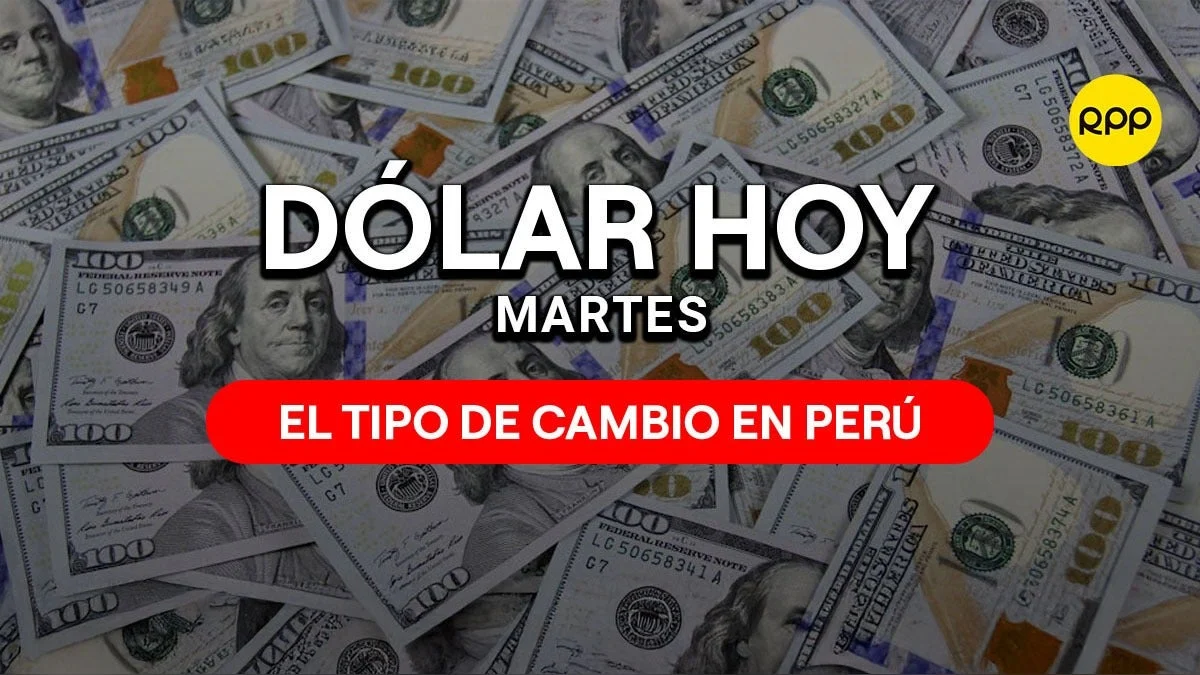
On Friday, September 25, the Peruvian financial landscape experienced a notable shift in the currency markets. According to the latest data provided by the Central Reserve Bank of Peru (BCRP), the exchange rate for the US dollar closed at S/ 3.42. This figure represents a daily appreciation of 0.68% against the Peruvian sol, marking a significant move in what has been a fluctuating economic environment.
For the average citizen and business owner, this change is not merely a technical statistic; it is a signal of shifting purchasing power. The rise of the dollar implies that the Peruvian currency has lost a portion of its value relative to the global reserve currency. In the intricate dance of international finance, a stronger dollar makes imported goods more expensive, creating a ripple effect that touches everything from the price of electronic gadgets and vehicles to essential food items that rely on global supply chains.
Chronology of Market Shifts
To understand the current standing of the sol, one must look at the recent trajectory of the Peruvian economy. Throughout the third quarter, the exchange rate has been subject to both domestic policy adjustments and the tremors of global economic uncertainty.
- Early September: The exchange rate showed signs of relative stabilization, hovering near the S/ 3.38 to S/ 3.40 range. During this period, investors remained cautious, awaiting signals from the BCRP regarding interest rate adjustments.
- Mid-September: Global market volatility, driven by concerns over the speed of economic recovery in major industrialized nations, began to exert pressure on emerging market currencies, including the sol.
- The Week of September 21: Market tension mounted as traders began pricing in the risk of external shocks. The currency saw minor fluctuations as demand for the dollar increased among institutional investors seeking "safe-haven" assets.
- Friday, September 25: The climax of the week’s trading activity saw the dollar break past the S/ 3.41 barrier to close at S/ 3.42, a jump that analysts noted was higher than the average daily volatility observed in previous months.
Supporting Data: Why the Exchange Rate Matters
The exchange rate is one of the most critical barometers of a nation’s economic health. In Peru, a country that maintains a highly open economy with significant levels of international trade, the fluctuation of the dollar is a primary driver of inflation expectations.
The Import-Inflation Link
When the dollar appreciates, the cost of importing goods denominated in foreign currency rises. For Peru, this includes:
- Technological Goods: As a country that imports the vast majority of its consumer electronics, computers, and specialized machinery, a 0.68% increase in the dollar can translate into higher retail prices for tech products within weeks.
- Energy and Fuel: While Peru produces a portion of its energy, it remains a net importer of fuels. Higher dollar costs at the border inevitably lead to upward pressure on transport costs, which eventually affects the price of food and household goods across the country.
- Intermediate Inputs: Many Peruvian industries, including manufacturing and construction, rely on imported raw materials. When these inputs become more expensive, the cost of production increases, potentially leading to a "cost-push" inflation scenario.
Market Sentiment and Foreign Investment
The 0.68% rise is also a reflection of investor sentiment. In times of global uncertainty, capital tends to flow toward the US dollar. If international investors perceive that Peru’s economic outlook is becoming less favorable compared to other emerging markets, they may move their assets, putting further downward pressure on the sol.
The Role of the Central Reserve Bank of Peru (BCRP)
The BCRP stands as the primary guardian of Peru’s monetary stability. Its mandate is clear: to preserve the purchasing power of the national currency by keeping inflation within a target range—typically between 1% and 3%.
Monetary Policy Instruments
To manage the exchange rate and ensure economic stability, the BCRP employs a variety of tools:
- Reference Interest Rate: By adjusting the cost of borrowing, the BCRP can influence the amount of money circulating in the economy. If the economy is overheating or the currency is depreciating too rapidly, the bank may raise rates to make holding the sol more attractive.
- Foreign Exchange Intervention: The BCRP does not strictly peg the currency, but it operates a "managed float." This means that when volatility becomes excessive, the bank intervenes in the market by selling dollars from its international reserves to satisfy demand and prevent sudden, disruptive spikes in the exchange rate.
- Control of Monetary Aggregates: By managing the money supply, the bank ensures that there is enough liquidity to foster growth without triggering excessive inflationary pressures.
Official Responses and Economic Outlook
While the current rise in the dollar has prompted concern, official sources emphasize the strength of Peru’s "macroeconomic fundamentals." Peru boasts a robust level of net international reserves, which serves as a buffer against external shocks.
Government economists and BCRP officials have repeatedly stated that while volatility is an inherent feature of a floating exchange rate, the current levels are within the expected parameters given the global context. The goal is not to stop the dollar from moving entirely—as the exchange rate acts as a shock absorber for the economy—but to prevent "disorderly" movements that could threaten financial stability.
Implications for the Peruvian Consumer and Business
For the average Peruvian, these fluctuations carry practical implications:
- Debt Management: Citizens with dollar-denominated debt (such as certain mortgages or vehicle loans) will find that their monthly payments increase in terms of local currency. It is advisable for those with income in soles to avoid taking on debt in foreign currencies.
- Investment Decisions: For businesses, a volatile dollar creates uncertainty in forecasting costs. Companies are encouraged to utilize hedging instruments—such as forward contracts—to lock in exchange rates and protect their profit margins.
- Long-Term Savings: Financial advisors suggest that maintaining a diversified portfolio, including some assets or savings in dollars, can be a prudent strategy to hedge against the depreciation of the sol.
Conclusion: Navigating Future Volatility
As we look beyond September 25, the stability of the Peruvian sol will depend on a combination of global recovery trends and domestic policy discipline. The BCRP’s ability to remain independent and responsive to market signals remains the bedrock of Peru’s economic resilience.
Understanding the mechanics of the exchange rate is no longer just for economists; it is a necessity for every participant in the economy. Whether you are a business owner planning your inventory purchases or a family budgeting for the month, the exchange rate serves as a vital signal of the broader economic climate. By staying informed and maintaining a clear view of the BCRP’s policy actions, stakeholders can better navigate the complexities of a changing financial world, ensuring that their personal and business interests remain shielded from the worst effects of global market volatility.
Ultimately, while the rise to S/ 3.42 is a significant marker, it is merely one data point in the ongoing story of Peru’s economic journey. The combination of fiscal responsibility, prudent monetary management, and an informed public will remain the most powerful tools in maintaining the country’s relative stability in an increasingly interconnected and unpredictable global market.