Lima, Peru – Peru’s energy landscape is experiencing a significant surge, with electricity sales to end consumers reaching an impressive 4,628 GWh in April 2026. This figure represents a 1.3% increase compared to the same month in the previous year, according to the Ministry of Energy and Mines (MINEM). While this upward trend signifies a dynamic and expanding economy, it simultaneously presents a critical challenge for businesses: not just to secure sufficient energy, but to master its utilization. The core of this challenge lies in understanding how electricity is consumed, identifying which processes or equipment are the most energy-intensive, pinpointing peak demand periods, and discerning how much of the expenditure might be attributed to operational inefficiencies.
The Evolving Demand for Energy
The growth in electricity consumption is a direct reflection of Peru’s economic vitality. As industries expand, new infrastructure is developed, and consumer demand for goods and services increases, so too does the need for reliable and abundant energy. This growing demand, however, necessitates a paradigm shift in how businesses approach their energy expenditure. Historically, many organizations have focused on the total monthly electricity bill as the primary metric of energy cost. While this provides a snapshot of expenditure, it often falls short of revealing the intricate details of energy consumption patterns within an organization.
This limited perspective makes it difficult to differentiate between legitimate increases in energy use due to heightened production activity and those stemming from less productive factors. For instance, a rise in the electricity bill could be attributed to the simultaneous operation of multiple machines, equipment running beyond scheduled hours, or even a decline in the performance of aging assets. Without a granular understanding of energy usage, businesses are left making assumptions rather than informed decisions, potentially leading to unnecessary costs and missed opportunities for optimization.
The Schneider Electric Perspective: Beyond the Bill
Experts like those at Schneider Electric emphasize that simply knowing the total energy consumption is insufficient to truly comprehend its internal allocation and impact. "Understanding how energy is utilized within a company requires a deeper dive into the behavior of each process, production line, or individual piece of equipment," explains a spokesperson for Schneider Electric. "Having this detailed information allows for the identification of deviations from expected performance, the prioritization of improvement opportunities, and the crucial ability to correlate energy consumption directly with production levels." This data-driven approach transforms energy management from a realm of estimations and guesswork into a strategic discipline grounded in empirical evidence.
The Era of Smart Monitoring: Measuring for Action
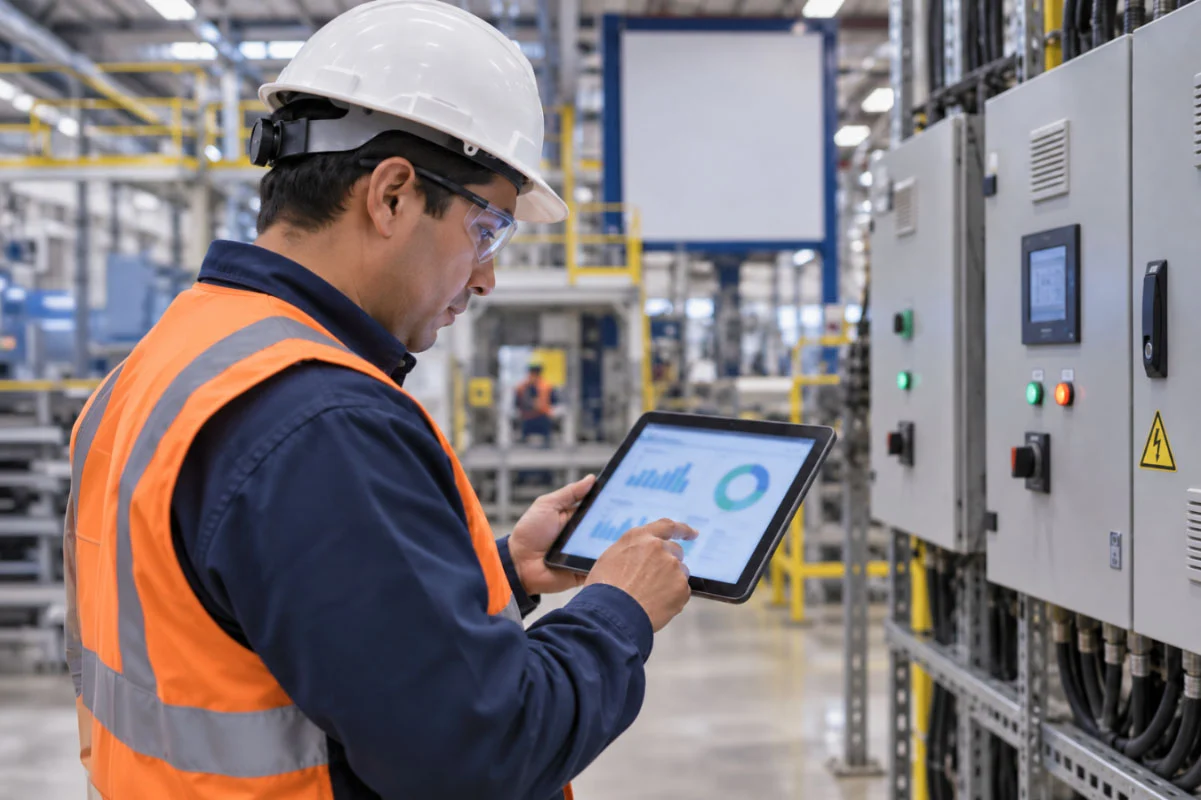
The advent and widespread adoption of energy monitoring systems have revolutionized how businesses approach their electricity usage. These systems provide an unparalleled view into the intricate distribution of electricity across an entire plant, building, or production line. By collecting and analyzing historical and real-time data, organizations can engage in powerful comparisons between different processes, equipment, and operational periods. This comparative analysis is instrumental in identifying a range of critical scenarios, including:
- Unusual Consumption Peaks: Pinpointing specific times or processes where energy demand spikes unexpectedly, often indicating potential equipment malfunctions or inefficient operational practices.
- Equipment Idling and Standby Losses: Quantifying the energy wasted by machinery that is turned on but not actively producing, a common source of inefficiency.
- Deterioration in Equipment Performance: Detecting gradual increases in energy consumption by specific machines, which can be a precursor to failure or a sign of suboptimal performance due to wear and tear.
- Process Inefficiencies: Identifying production lines or operational stages that consume disproportionately more energy than others, signaling opportunities for process re-engineering or technological upgrades.
- Deviations from Planned Operations: Highlighting instances where equipment or processes operate outside their designated schedules, leading to unnecessary energy expenditure.
The insights gleaned from this detailed monitoring enable businesses to determine whether an increase in their electricity bill is a true reflection of increased output or a symptom of declining efficiency. Armed with this concrete evidence, companies can take proactive measures. This includes adjusting operational schedules, fine-tuning equipment parameters, strategically redistributing energy loads, prioritizing preventative maintenance, and making more accurate, data-backed evaluations for investments in new technologies or the modernization of existing equipment.
Data as a Catalyst for Value Creation
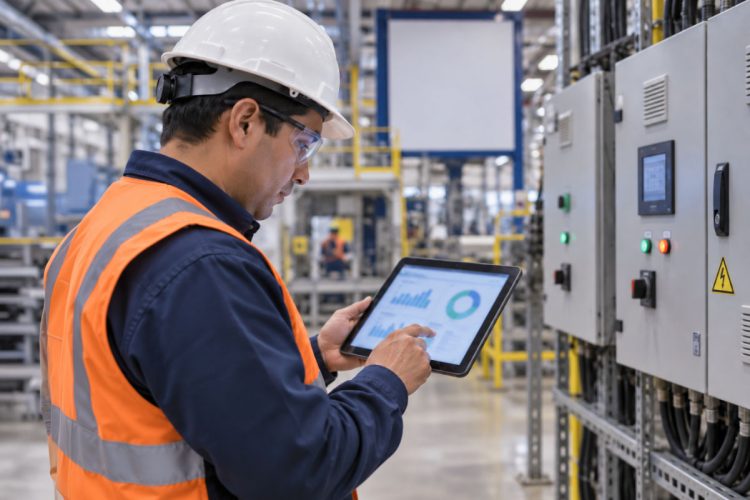
For energy monitoring to translate into tangible benefits, the raw data it generates must be transformed into actionable intelligence that can be understood and utilized by the relevant operational departments. Digital platforms play a pivotal role in this transformation. These platforms are capable of integrating historical and real-time data, establishing key performance indicators (KPIs) for energy usage, issuing timely alerts for anomalies, and facilitating comparisons against internal targets or production benchmarks.
Schneider Electric’s EcoStruxure Power Monitoring Expert, for instance, offers a comprehensive solution for visualizing and analyzing the state of an electrical system and its energy performance. This platform empowers users to conduct comparative assessments of different facilities and processes, accurately allocate energy costs to specific operations, identify unusual consumption patterns that might signal problems, and meticulously track the effectiveness of implemented energy-saving measures.
Furthermore, this unified approach to data fosters collaboration across departments. Areas such as operations, maintenance, finance, and sustainability can all operate from a single, shared dataset. This shared understanding ensures that decisions regarding energy usage are aligned with broader organizational objectives, such as cost reduction, asset performance enhancement, proactive maintenance planning, and the achievement of corporate environmental sustainability goals.
Ultimately, effective energy management transcends the simple objective of consuming less electricity. It is about optimizing consumption to meet production needs precisely, minimizing waste, and maximizing the performance of available resources. When energy is recognized as an operational variable that can be measured, compared, and managed, it ceases to be an opaque and difficult-to-explain cost. Instead, it transforms into a powerful lever for boosting productivity and enhancing overall business competitiveness.
Chronological Context of Energy Management Evolution
The journey towards sophisticated energy management in Peru, as in many developing economies, has been a gradual one.
- Pre-2000s: Basic Consumption Tracking: Energy management was largely rudimentary, focusing on ensuring a consistent supply of electricity to meet industrial and residential needs. Electricity bills were the primary, and often only, source of data. Decisions were largely reactive, addressing immediate supply issues or cost concerns without deep analysis.
- Early 2000s: Awareness of Energy Costs: With increasing industrialization and a growing understanding of operational costs, businesses began to recognize electricity as a significant expense. The focus shifted towards simply reducing overall consumption, often through basic energy-saving measures like switching off lights or improving insulation.
- Mid-2000s to Early 2010s: Introduction of Basic Monitoring: The emergence of more affordable metering technologies allowed some larger industrial players to begin basic monitoring of energy consumption at the sub-station or main feeder level. This provided a slightly more granular view, but lacked the sophistication for detailed process-level analysis.
- Mid-2010s onwards: The Digital Transformation and IoT: The proliferation of the Internet of Things (IoT), advanced sensor technology, and cloud computing has ushered in a new era. Smart meters, connected devices, and sophisticated software platforms have made granular, real-time energy monitoring accessible and affordable for a wider range of businesses. This period marks the shift from mere consumption tracking to intelligent energy management.
- Present Day (2026): Data-Driven Optimization: As highlighted in the MINEM report, businesses are now increasingly leveraging data analytics and AI-powered platforms to gain deep insights into their energy usage. The focus is on optimizing efficiency, integrating renewable energy sources, and aligning energy strategies with broader sustainability and business objectives. The current rise in consumption underscores the urgency of this advanced approach.
Supporting Data and Trends
The 1.3% year-on-year increase in electricity sales in April 2026 is part of a broader trend of rising energy demand in Peru. Several factors contribute to this:
- Industrial Growth: Key sectors such as mining, manufacturing, and construction are experiencing robust expansion, all of which are energy-intensive. The mining sector, in particular, is a significant consumer of electricity in Peru.
- Urbanization and Infrastructure Development: As Peru’s population continues to grow and concentrate in urban centers, the demand for electricity in residential and commercial sectors, as well as for public services and infrastructure projects (transportation, water treatment), rises accordingly.
- Digitalization and Technology Adoption: The increasing adoption of digital technologies, data centers, and advanced manufacturing processes across various industries also contributes to higher electricity consumption.
- Electrification Initiatives: Government initiatives aimed at increasing electricity access in rural and underserved areas, while positive for social development, also add to the overall demand.
The challenge for businesses is to ensure that this growth in demand is met with efficiency and sustainability, rather than simply by increasing supply.
Official Responses and Policy Implications
The Ministry of Energy and Mines (MINEM) plays a crucial role in monitoring and shaping Peru’s energy sector. The consistent reporting of electricity sales figures serves as a vital indicator for policy formulation.
- Encouraging Efficiency Programs: MINEM, in conjunction with other government bodies, has historically promoted energy efficiency programs and regulations aimed at reducing waste and promoting the adoption of more efficient technologies. The current data suggests these efforts need to be intensified and potentially modernized to address the complexities of industrial energy consumption.
- Promoting Renewable Energy Integration: While the article focuses on consumption, the source of that electricity is equally important. MINEM is actively involved in policies to increase the share of renewable energy sources in the national grid, which can help meet growing demand more sustainably.
- Data Transparency and Reporting: The commitment to transparently reporting energy consumption data, as exemplified by the MINEM report, is fundamental. This data serves as the bedrock for informed decision-making by both the government and the private sector.
- Regulatory Framework for Monitoring: The government may consider further regulatory measures to encourage or mandate more sophisticated energy monitoring systems within large industrial and commercial facilities. This could involve setting benchmarks for energy efficiency or requiring detailed energy audits.
- Investment in Grid Modernization: As demand rises, ensuring the resilience and efficiency of the national electricity grid becomes paramount. Investments in grid modernization, smart grid technologies, and energy storage solutions will be critical to accommodate the increasing load and prevent disruptions.
Implications for the Future: Sustainability and Competitiveness
The current trajectory of Peru’s electricity consumption has profound implications for the nation’s economic future and its commitment to sustainability.
- Enhanced Competitiveness: Businesses that proactively embrace smart energy management will gain a significant competitive edge. By reducing energy costs, optimizing operational efficiency, and improving asset performance, they can increase profitability and become more resilient to market fluctuations.
- Environmental Stewardship: As global awareness of climate change intensifies, efficient energy management is directly linked to reducing a nation’s carbon footprint. By minimizing energy waste, Peru can make significant strides in its environmental protection efforts and contribute to global sustainability goals.
- Energy Security and Reliability: A well-managed energy system, characterized by efficient consumption and a diversified energy mix, contributes to greater energy security and reliability. This is crucial for attracting and retaining foreign investment and ensuring stable economic growth.
- Innovation and Technological Advancement: The drive for smarter energy solutions fosters innovation within the country. It encourages the development and adoption of advanced technologies, creating new economic opportunities and skilled jobs in sectors related to energy management, data analytics, and renewable energy.
- A Shift in Mindset: The most significant implication is a fundamental shift in how energy is perceived. It moves from being a mere operational cost to a strategic asset that can be actively managed, optimized, and leveraged for business advantage and national progress. This evolution is essential for Peru to navigate the complexities of a growing economy in an increasingly resource-conscious world.