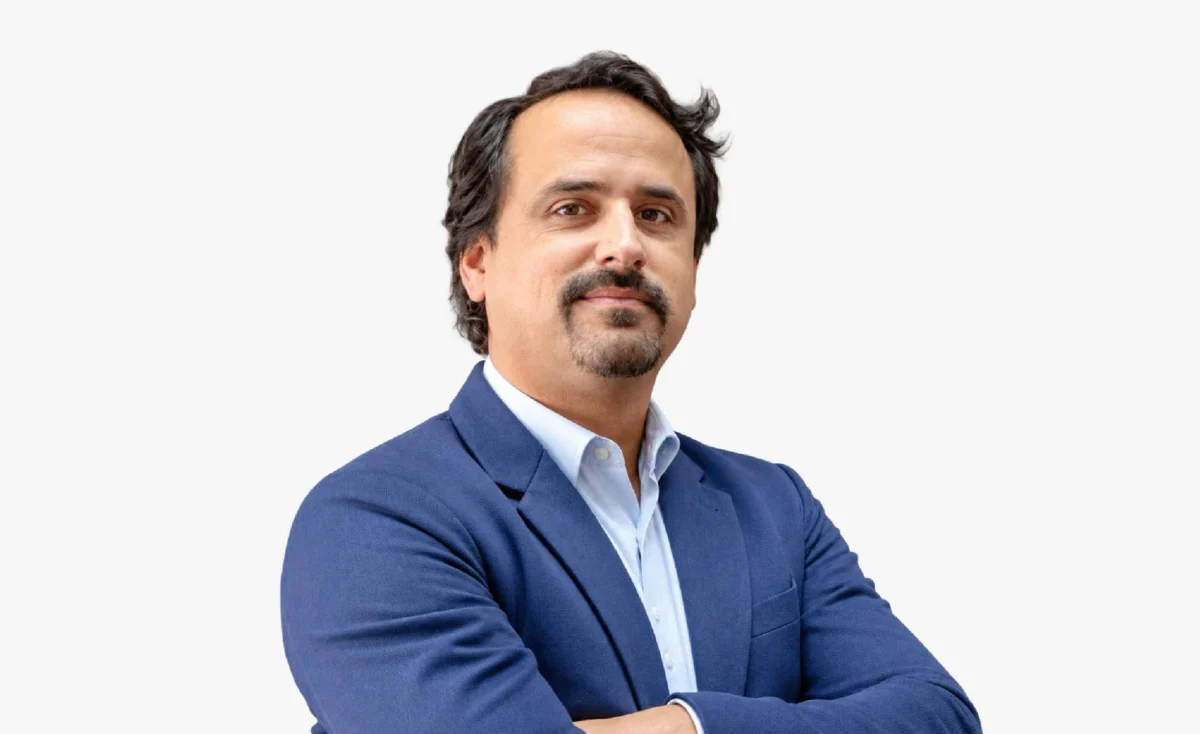
Lima, Peru – August 15, 2026 – As Peru braces for the upcoming regional and municipal elections, a pervasive sense of distrust towards political institutions and their representatives looms large. This widespread skepticism, however, presents a critical juncture – an opportunity, according to José Luis Gargurevich, former Executive Director of Proética, to redefine political engagement by prioritizing integrity, fostering dialogue, and empowering citizens to become active participants in safeguarding democratic processes. Gargurevich’s insights, shared in anticipation of his participation in the GESS 2026 panel, "Listening as a Strategy: Managing the Expectations of a Transforming Society," offer a roadmap for revitalizing Peru’s democratic foundations.
The upcoming elections are not merely a procedural exercise but a profound test of the nation’s ability to reconnect with its populace. Gargurevich articulates a deeply ingrained citizen disillusionment, a sentiment that questions the very value of their vote and the political system’s capacity to elevate competent and ethical individuals to public office. Despite a consistent public demand for honest and upright leadership, the current democratic framework, he argues, has demonstrably failed to meet this fundamental expectation. This disconnect is not merely an abstract political phenomenon; it has tangible consequences for the everyday lives of citizens, particularly in the often-overlooked regions and municipalities.
"Reclaiming faith in the political system, reclaiming faith in democracy is key, and it is a mission that should unite all sectors of the country," Gargurevich stated, underscoring the urgent need for a unified national effort. He believes that the current political landscape is characterized by a significant disconnect between the aspirations of the citizenry and the actions of its elected officials. This chasm, he contends, is a direct consequence of a systemic erosion of trust, fueled by persistent corruption, a lack of transparency, and a perceived inability of the political class to genuinely address the pressing needs of the populace.
The former Proética executive director’s analysis points to a critical juncture where the very legitimacy of democratic governance is being questioned. This sentiment, he emphasizes, is not confined to urban centers but is acutely felt in the diverse regions of Peru, where local issues often become overshadowed by national political dramas. The challenge, therefore, lies in reorienting the political discourse to address these granular concerns, fostering a sense of relevance and responsiveness that has been largely absent.
The Erosion of Trust: A Deepening Divide
Gargurevich’s critique of the current political climate is stark. He observes a palpable sense of despondency among citizens regarding the efficacy of their vote and the political system’s ability to ensure that the most qualified candidates ascend to public office. This disillusionment is not born out of apathy, but rather from a series of perceived failures and broken promises. The persistent demand for honest and integral leaders, he notes, has not been adequately met by the democratic machinery. This deficit in trust has a direct impact on civic engagement, potentially leading to lower voter turnout and a diminished sense of collective responsibility for the nation’s future.
The sociologist highlights that this erosion of trust is not a monolithic issue but a complex web of factors. These include the pervasive influence of illicit economies in politics, the lack of accountability for corrupt officials, and a general perception that the political system serves the interests of a select few rather than the broader public good. The consequence is a citizenry that feels increasingly disempowered, questioning the very relevance of their participation in the democratic process.
This sentiment is further exacerbated by the polarization that often characterizes national politics. Gargurevich warns that this intense division can inadvertently sideline the specific and often urgent issues that plague Peru’s regions and municipalities. These local challenges, ranging from inadequate infrastructure and healthcare to limited educational opportunities and environmental degradation, require focused attention and tailored solutions. When national political discourse becomes consumed by ideological battles, these critical regional needs risk being relegated to the periphery, further alienating communities and deepening their sense of neglect.
Prioritizing Territories: A Call for Localized Solutions
A central tenet of Gargurevich’s analysis is the imperative to shift the focus of political discourse and action towards the specific needs of Peru’s diverse territories. He argues that the often-overlooked problems plaguing regions and municipalities are the very issues that directly impact citizens’ daily lives and are thus crucial for rebuilding trust. The current national political climate, characterized by polarization, risks eclipsing these vital local concerns.

"In the territories, the problems are more concrete, and I hope that this will be an opportunity for civil society, businesses, and local organizations to place on the agenda of regional and municipal elections the specific problems that need to be resolved," Gargurevich asserted. This statement underscores his belief that the granular nature of regional issues can serve as a powerful catalyst for re-engagement. When candidates demonstrate a genuine understanding of and commitment to addressing these concrete challenges, they can forge stronger connections with the electorate, moving beyond abstract national agendas.
He envisions a scenario where civil society, the private sector, local organizations, and other stakeholders actively contribute to shaping the electoral agenda, ensuring that the specific needs of each territory are brought to the forefront. This collaborative approach, he suggests, is essential for fostering a more inclusive and responsive political system. It moves beyond the traditional top-down model of governance and embraces a more participatory and community-driven approach.
Gargurevich believes that candidates who can effectively bridge the gap between dialogue, openness, and accountability with concrete, technically sound proposals will be best positioned to regain public credibility. This means not only articulating problems but also presenting viable, implementable solutions that can translate into tangible improvements for the communities they seek to serve. This pragmatic approach, grounded in the realities of regional governance, is crucial for dispelling cynicism and fostering a renewed sense of hope and efficacy.
Empowering Citizens: The Watchdogs of Democracy
Beyond the responsibility of candidates and institutions, Gargurevich places a significant emphasis on the role of citizens in revitalizing democratic processes. He calls for a more active and vigilant citizenry, one that takes ownership of its role in holding elected officials accountable and safeguarding the integrity of public institutions. This active participation, he argues, is paramount in combating corruption and ensuring that governance serves the public interest.
"Where the spotlight of transparency and information is turned on, corruption cannot subsist," Gargurevich stated, highlighting the power of an informed and engaged populace. He urges citizens to scrutinize the potential conflicts of interest of candidates, understand the groups to which they are beholden, and demand transparency in their affiliations. This level of due diligence, he contends, is not an optional add-on but a fundamental requirement for responsible citizenship in a democracy.
Furthermore, Gargurevich raises a critical alarm regarding the increasing infiltration of illegal economies into the political landscape. He stresses the urgent need for the vote to be wielded as a potent tool to prevent these illicit interests from gaining a foothold in positions of power. This implies a need for greater awareness among voters about the financial underpinnings of political campaigns and the potential influence of organized crime and other illicit actors.
The former Proética director’s call to action extends to advocating for greater transparency in public administration, particularly in the execution of public works and projects. He points out that delays, halts, and deficiencies in these processes often signal underlying issues of corruption or misconduct by officials. Therefore, he advocates for a paradigm shift where governors and mayors actively facilitate citizen oversight from the outset of their mandates and throughout the lifecycle of all public projects. This open-door policy for public scrutiny, he believes, is a powerful deterrent against malfeasance and a vital component of good governance.
Enhancing Transparency and Fostering Collaboration
The path to restoring public trust, as outlined by Gargurevich, is intrinsically linked to a significant elevation of transparency, particularly in the realm of public works and projects. He observes that delays, suspensions, and deficiencies in these critical undertakings are often symptomatic of corrupt practices or the misconduct of public officials. This underscores the need for a proactive approach to governance that prioritizes openness and accountability.

Gargurevich strongly advocates for a system where regional and municipal governments actively embrace citizen oversight. This engagement should commence from the very inception of their tenures and continue throughout all phases of public project implementation. By fostering an environment where citizens can readily access information and participate in monitoring processes, the potential for corruption is significantly diminished. "Where the spotlight of transparency and information is turned on, corruption cannot subsist," he emphatically stated, highlighting the deterrent effect of public scrutiny.
Looking ahead to the GESS 2026, Gargurevich champions the reactivation of collaborative platforms that bring together the private sector, the state, organized civil society, academia, and local communities. He believes that these multi-stakeholder networks are instrumental in fostering robust oversight of public decisions and proactively preventing corruption risks. Such collaborative environments can serve as vital conduits for information sharing, early warning systems, and the development of joint strategies to address systemic vulnerabilities.
A key proposal put forth by Gargurevich is the establishment of Integrity Officers within regional and municipal governments. These officials, he stipulates, should be selected through rigorous processes that emphasize independence and meritocracy. Their crucial role would be to act as liaisons with the citizenry, diligently attend to risks and reports of corruption, and provide expert advice to public authorities. This dedicated function, he argues, can significantly enhance the institutional capacity to uphold ethical standards and respond effectively to integrity challenges.
The GESS 2026: A Forum for Dialogue and Solutions
The International Encounter on Social Management and Sustainability (GESS 2026) serves as a pivotal platform for addressing these critical issues. Scheduled to take place from August 18th to 20th, 2026, at the Lima Convention Center, the event will convene key stakeholders to engage in vital discussions on social management and sustainability. Gargurevich’s participation in the panel "Listening as a Strategy: Managing the Expectations of a Transforming Society" underscores the event’s commitment to fostering dialogue and seeking practical solutions to the challenges facing Peru.
The GESS 2026 offers a crucial opportunity for leaders, policymakers, academics, and civil society representatives to collaborate, share best practices, and develop innovative strategies for strengthening democratic institutions and promoting sustainable development. By bringing together diverse perspectives, the encounter aims to foster a collective understanding of the complex issues at play and to forge a path forward that prioritizes integrity, transparency, and citizen empowerment.
Interested parties are encouraged to register for the GESS 2026 and contribute to this vital national dialogue. The event represents a critical step in the ongoing effort to rebuild trust in Peru’s democratic fabric and to ensure a more just, equitable, and prosperous future for all its citizens. The insights shared by figures like José Luis Gargurevich are not merely academic analyses but urgent calls to action, essential for navigating the complexities of the current political landscape and for forging a renewed commitment to democratic values.