Introduction: The Pulse of the Economy
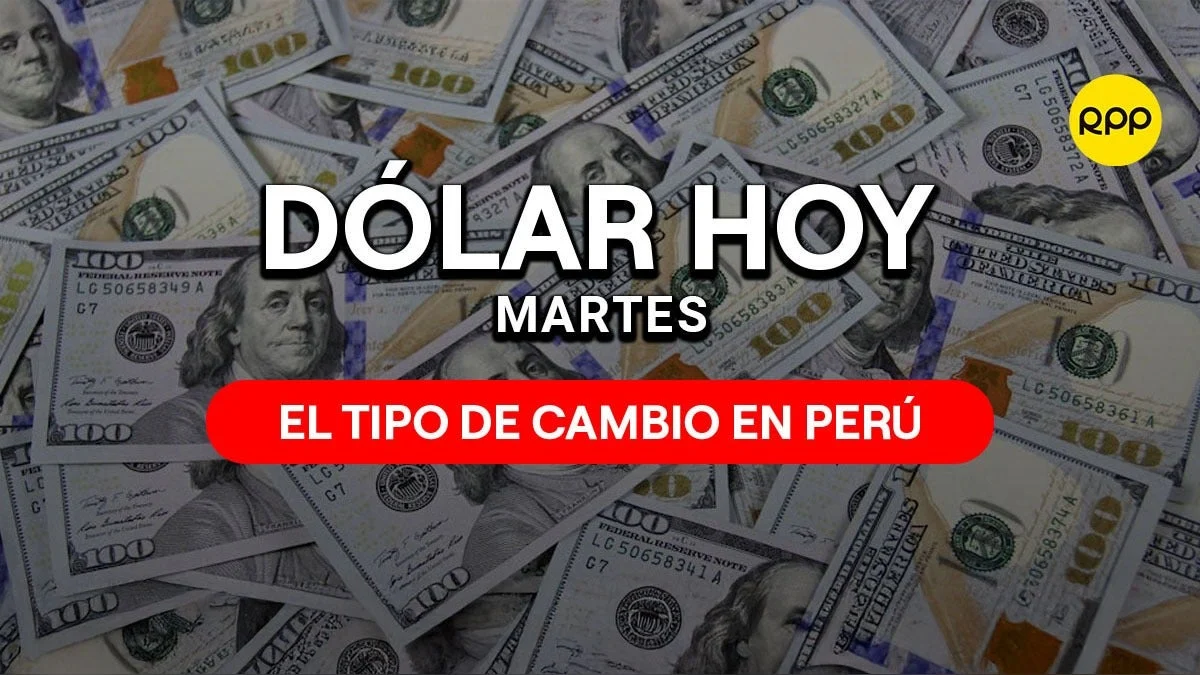
In the heart of Peru’s financial landscape, the exchange rate serves as one of the most critical barometers of economic health. As of Tuesday, September 15, the Central Reserve Bank of Peru (BCRP) has officially set the exchange rate at S/3.38 per US dollar. For businesses, investors, and the average citizen, this figure is far more than a simple number; it represents the culmination of complex global economic forces, domestic policy decisions, and the volatile nature of supply and demand.
To navigate the Peruvian economy effectively, one must look beyond the daily ticker. The value of the sol is a living entity, constantly shifting in response to geopolitical tensions, interest rate adjustments in Washington, and the local appetite for foreign currency. This report delves into the mechanics of the dollar-sol relationship, the history of these fluctuations, and the broader implications for the Peruvian financial ecosystem.
The Mechanics of the Exchange Rate: Why the Dollar Fluctuates
The exchange rate in Peru is determined primarily by the market mechanism of supply and demand. When the demand for the US dollar exceeds its supply, the price of the greenback rises relative to the sol. Conversely, when the market is flooded with dollars—or when demand wanes—the sol gains strength, and the exchange rate drops.
The Role of Market Sentiment
At its core, the exchange rate is influenced by "market sentiment." When investors perceive economic uncertainty—whether through domestic political instability or global crises—they often seek "safe-haven" assets. The US dollar is historically viewed as the ultimate safe-haven currency. Consequently, during times of global volatility, the dollar tends to strengthen across emerging markets, including Peru.
Macroeconomic Determinants
Beyond immediate sentiment, several structural factors anchor the exchange rate:
- Interest Rates: The Federal Reserve’s monetary policy is arguably the most significant external driver. When US interest rates rise, capital often flows back to the United States to capture higher yields, putting downward pressure on the sol.
- Inflation Differentials: The divergence between inflation in the US and inflation in Peru dictates long-term currency valuation. Persistent high inflation in Peru relative to the US typically leads to a depreciation of the sol.
- Trade Balance: Peru’s status as a major exporter of minerals (such as copper and gold) means that international commodity prices directly impact the supply of dollars in the local economy. A surge in copper prices often correlates with a stronger sol, as exporters bring their dollar earnings home and convert them into local currency.
A Chronological Perspective: Evolution of the Sol
The stability of the sol has been a pillar of Peruvian economic policy since the structural reforms of the 1990s. However, the path has not been linear.
The Post-Hyperinflation Era
Following the hyperinflationary crisis of the late 1980s, the BCRP adopted a mandate of price stability. By moving toward a flexible exchange rate regime, Peru allowed the market to dictate the value of the sol while intervening only to prevent excessive volatility. Throughout the early 2000s, the sol experienced a period of remarkable appreciation as the "Commodities Super-cycle" fueled Peru’s growth.
The Impact of Recent Global Shocks
In the last decade, the exchange rate has been tested by various shocks:
- The 2008 Financial Crisis: A temporary spike in the dollar occurred as global liquidity evaporated, forcing the BCRP to intervene to provide necessary dollar liquidity to the banking system.
- The Pandemic Shift: In early 2020, the onset of COVID-19 created a massive flight to safety, causing the dollar to climb significantly. The BCRP utilized its substantial international reserves to act as a stabilizer, preventing a currency crash.
- Political Cycles: Peru’s recent political history has also left its mark. Periods of executive-legislative friction have historically caused "spikes" in the dollar as investors adopted a wait-and-see approach, leading to a temporary increase in the demand for hard currency.
Supporting Data: The BCRP’s Strategic Role
The Central Reserve Bank of Peru is not a passive observer. It employs a "managed float" strategy. While the bank does not set a fixed price, it intervenes in the foreign exchange market to dampen speculative attacks and ensure that fluctuations do not disrupt the overall price stability of the economy.
International Reserves
One of Peru’s strongest defenses is its robust level of international reserves. By holding billions of dollars in reserve, the BCRP can sell dollars during periods of high demand to provide liquidity. This massive "cushion" serves as a deterrent to currency speculators who might otherwise try to force a rapid devaluation of the sol.
The Dollarization of the Economy
A unique feature of the Peruvian economy is the legacy of "dollarization." Because many Peruvians remember the hyperinflation of the past, they are naturally inclined to hold savings in dollars. This behavior means that the demand for dollars is not just tied to trade and investment, but also to "store-of-value" functions. The BCRP monitors this closely, as high levels of dollarization can complicate monetary policy transmission.
Official Responses and Monetary Policy
When the exchange rate shows signs of moving too fast, the BCRP responds through two primary channels:
- Direct Market Intervention: The bank buys or sells dollars directly in the interbank market.
- Monetary Policy Rates: By adjusting the benchmark interest rate, the BCRP influences the yield on sol-denominated assets. If the sol is losing value too rapidly, the bank may raise rates to make holding soles more attractive compared to dollars.
In its official communications, the BCRP consistently emphasizes that its goal is not to defend a specific "target" price, but to prevent the volatility that could jeopardize the inflation target range of 1% to 3%.
Implications for Stakeholders
For the Importer and Exporter
For businesses, a volatile exchange rate is a significant risk factor. Importers, who pay for goods in dollars but sell in soles, face margin compression if the dollar spikes. Conversely, exporters benefit from a stronger dollar, which increases their local revenue. Professional treasury management, including the use of forward contracts and hedging, has become essential for any firm operating in Peru.
For the Average Citizen
For the Peruvian family, the exchange rate affects the "cost of living." Many household goods, technology, and fuel are priced globally in dollars. When the sol depreciates, the cost of these imported goods increases, contributing to domestic inflation. For those with dollar-denominated debts (like mortgage or car loans), a spike in the exchange rate can lead to significant financial strain, as their monthly payment obligations increase in real terms.
Strategic Planning for Savings
Financial advisors in Peru often recommend a "diversified portfolio." Because the exchange rate is prone to oscillation, keeping a portion of savings in dollars and a portion in soles provides a hedge against domestic economic shocks. Understanding that the exchange rate is a reflection of global conditions is the first step in creating a resilient personal financial plan.
Conclusion: Looking Ahead
The exchange rate of S/3.38 on this Tuesday in September is a snapshot in time. As the global economy evolves—influenced by the trajectory of US interest rates, China’s demand for Peruvian copper, and local fiscal discipline—this number will inevitably shift.
Understanding these dynamics is vital for every participant in the Peruvian market. While the fluctuation of the dollar may seem daunting, it is a fundamental component of a free-market economy that allows for the adjustment of prices in response to the changing global landscape. By maintaining a clear view of the factors driving these changes, and by relying on the stability provided by the Central Reserve Bank of Peru, individuals and businesses can better navigate the currents of the modern financial world.
Whether you are planning a trip, looking to invest, or simply managing your daily budget, the lesson remains the same: monitor the indicators, understand the risks, and prepare for the volatility that is an inherent feature of a globalized, open economy.