Introduction: A Green Milestone for the Pacific
In a landmark development for the South American maritime industry, the Port of Callao has officially inaugurated its "Shore Power" system, a cutting-edge technological infrastructure designed to provide electrical power to docked vessels. This milestone, which marks the first implementation of its kind in Latin America, signifies a fundamental shift in how the region approaches port logistics and environmental stewardship.
The initiative, overseen by the President of the Republic, Keiko Fujimori, was unveiled during a formal "marcha blanca" (pilot launch) at the Muelle Sur terminal. By allowing ships to plug into the local power grid, the system enables vessels to shut down their auxiliary diesel engines while docked, effectively eliminating the need for onboard fuel combustion during port stays.
Main Facts: How Shore Power Transforms the Port
The Shore Power system, often referred to as "cold ironing," serves as a dual-purpose solution for modern port management. Its primary objective is the drastic reduction of greenhouse gas emissions and noise pollution within the harbor environment.
The Mechanism of Change
When a cargo ship enters a port, it typically relies on auxiliary engines to power its internal systems—lighting, heating, cooling, and cargo management—while docked. These engines traditionally burn heavy fuel oil, releasing high levels of carbon dioxide (CO2), nitrogen oxides (NOx), sulfur oxides (SOx), and particulate matter into the air.
By integrating a sophisticated substation that connects the vessel directly to the city’s electrical grid, the Muelle Sur terminal ensures that ships can operate on clean, land-based energy. This process effectively turns the vessel into an extension of the local power network, rendering the auxiliary engines obsolete during the stay.
Technical and Environmental Targets
The environmental projections for this project are significant:

- Carbon Footprint Reduction: The system is estimated to prevent over 6,300 tons of CO2-equivalent emissions annually.
- Air Quality Improvement: Emissions of harmful gases such as sulfur and nitrogen oxides, as well as hazardous particulate matter, are projected to decrease by more than 90%.
- Noise Abatement: By turning off the roar of auxiliary engines, the port significantly reduces acoustic pollution, improving the quality of life for the surrounding Callao urban areas.
Chronology: The Path to Modernization
The journey toward the implementation of the Shore Power system reflects a long-term commitment to port infrastructure modernization in Peru.
- Pre-Implementation Phase: The project began with a rigorous feasibility study, evaluating the electrical capacity of the port and the compatibility of the docking berths with international electrical standards for global shipping fleets.
- Infrastructure Development: Construction involved the installation of high-voltage transformers and specialized cabling systems designed to handle the massive energy requirements of modern container vessels.
- Integration and Testing: In the months preceding the official launch, engineers conducted stress tests to ensure seamless power transfer between the port and various types of cargo ships, ensuring safety protocols were fully compliant with international maritime regulations.
- The Launch: The "marcha blanca" signifies the final operational test phase. During this period, the system is monitored in real-time to optimize efficiency and ensure reliability under varying ship traffic conditions.
Supporting Data: Economic and Global Context
The implementation of this technology places the Port of Callao in an elite category. Globally, only about 3% of the world’s ports currently possess the infrastructure to offer shore-to-ship power. By joining this select group, Peru is positioning itself as a regional leader in maritime innovation.
The Strategic Importance of Muelle Sur
The Muelle Sur of the Port of Callao is not merely a logistical hub; it is the heartbeat of Peru’s international trade. Concentrating nearly 60% of the country’s containerized cargo, it acts as the primary gateway connecting Peruvian agricultural, mining, and industrial exports to the global market.
The modernization of this facility is not just an environmental endeavor; it is an economic imperative. As global supply chains shift toward "green shipping corridors," ports that cannot offer sustainable services risk being bypassed by international carriers seeking to reduce their total supply chain carbon footprint.
Official Responses and Strategic Vision
During the inauguration ceremony, President Keiko Fujimori emphasized that this project is a testament to the fact that economic growth and environmental protection are not mutually exclusive.
The President’s Statement
"Today we celebrate an initiative that proves that economic growth, private investment, innovation, and environmental protection are not opposing goals," President Fujimori stated during the ceremony. "On the contrary, they can and must advance together."

The President noted that the project represents the "modernization" that her administration seeks to foster across all sectors. By creating an environment where high-tech infrastructure can thrive, the government aims to attract further private investment. "Only 3% of the world’s ports have this technology, and it fills us with pride that Peru is part of this group, serving as an example of environmental protection," she added.
A Call for Continued Innovation
The President highlighted that the government’s role is to act as a facilitator, creating the legal and economic conditions necessary for private companies to invest in long-term solutions. She stressed that modernizing ports is synonymous with strengthening the national economy, as "a modern port does not just move containers; it moves opportunities."
Implications: The Future of Peru’s Logistics
The successful launch of the Shore Power system carries profound implications for Peru’s future development.
1. Enhanced Competitiveness
By adopting global sustainability standards, the Port of Callao becomes more attractive to international shipping conglomerates. These companies are increasingly under pressure from shareholders and international regulators to decarbonize their operations. A port that offers "clean" stops is a preferred partner in a global market that is becoming increasingly sensitive to climate impact.
2. Urban-Port Synergy
Callao is a densely populated port city, and historically, the relationship between the port and the local community has been strained by environmental concerns. The reduction in sulfur and nitrogen emissions directly translates to better air quality for the citizens of Callao. This technology bridges the gap between industrial activity and urban well-being, potentially easing social tensions and improving the "social license" of the port to operate.
3. A Blueprint for Other Infrastructure
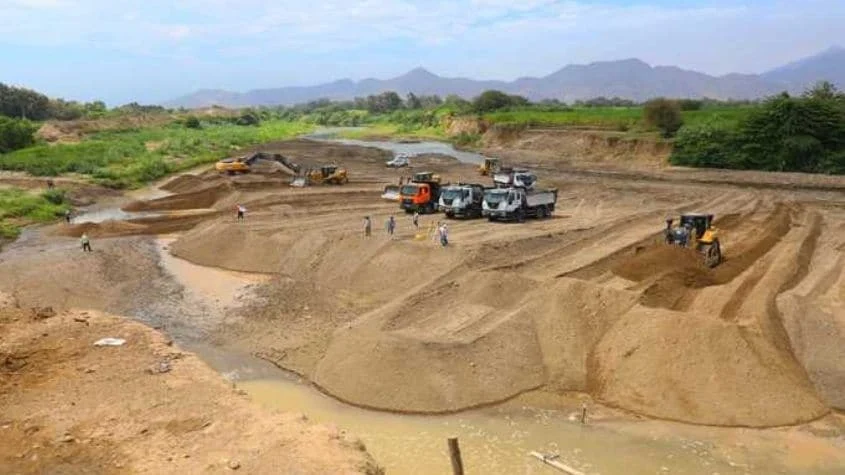
The success of the Muelle Sur project is expected to serve as a blueprint for other maritime and inland infrastructure projects across Peru. The government has signaled its intent to continue promoting private-public partnerships that focus on technological advancement. As indicated by concurrent projects, such as the desilting and maintenance works in regions like Lambayeque, the administration is prioritizing infrastructure that is both resilient to climate change and technologically advanced.

4. Encouraging Long-Term Private Investment
The President’s final remarks underscore a clear policy direction: "Peru needs private investment, it needs innovation, and it needs companies that have the capacity and the will to look beyond the short term." This messaging is designed to signal to both domestic and international investors that Peru is open for business, provided that business contributes to the sustainable, long-term development of the nation.
Conclusion
The implementation of the Shore Power system at the Muelle Sur is a watershed moment for Peru. It signifies a transition from traditional port management to a forward-thinking, eco-conscious model that aligns with international climate goals. By mitigating environmental impact while simultaneously bolstering the competitive edge of its primary trade gateway, Peru has set a new benchmark for Latin American infrastructure.
As the country looks toward the future, the integration of such technology suggests that the path to economic prosperity is paved with innovation. The Port of Callao stands as a beacon of this new era, proving that with the right combination of private-sector ingenuity and strategic government support, a nation can protect its environment while securing its place in the global economy. As the project enters its full operational phase, it will undoubtedly serve as a case study for neighboring nations looking to reconcile industrial development with the urgent necessity of a sustainable future.