Lima, Peru – [Current Date] – In a decisive move to mitigate the anticipated impacts of the 2026-2027 El Niño phenomenon, the Peruvian government has authorized a significant financial injection of S/ 375 million (approximately USD 100 million) to the National Infrastructure Authority (Autoridad Nacional de Infraestructura – ANIN). This substantial allocation, formalized through Supreme Decree No. 185-2026-EF, will be channeled to ensure the continued physical execution and protection measures for three critical infrastructure projects situated in the northern and coastal regions of La Libertad, Lambayeque, and Ica. The funds, drawn from the Ministry of Economy and Finance’s (MEF) Contingency Reserve and sourced from Ordinary Resources, are earmarked specifically for capital expenditure, focusing on asset acquisition and the advancement of these vital projects designed to safeguard vulnerable populations and infrastructure from the imminent threat of intense rainfall.
The government’s proactive stance underscores the gravity of the projected El Niño event, a recurring climate pattern known for its disruptive potential across Peru. This strategic investment aims to fortify the nation’s resilience by advancing projects that directly address flood risks, protecting thousands of citizens and crucial economic zones from the destructive forces of extreme weather events. The decision reflects a commitment to long-term disaster risk reduction and emphasizes the importance of robust infrastructure in the face of escalating climate challenges.
Key Projects Targeted for Enhanced Protection
The S/ 375 million transfer is designated for three high-priority infrastructure projects that have been identified as crucial for bolstering national resilience against El Niño-induced precipitation. These projects, strategically located in regions historically susceptible to severe flooding, are now poised to accelerate their development thanks to this significant financial commitment.
Quebrada San Idelfonso: A Shield for La Libertad
A cornerstone of this investment is the Quebrada San Idelfonso project in the La Libertad region (CUI No. 2446345). This initiative is designed to provide direct protection to an estimated 21,053 inhabitants residing in the districts of El Porvenir, Trujillo, and Víctor Larco Herrera. These areas have historically borne the brunt of severe flooding, leading to significant loss of life, property damage, and disruption of essential services. The project’s current physical progress stands at a promising 65.8%, indicating a substantial foundation for further development.
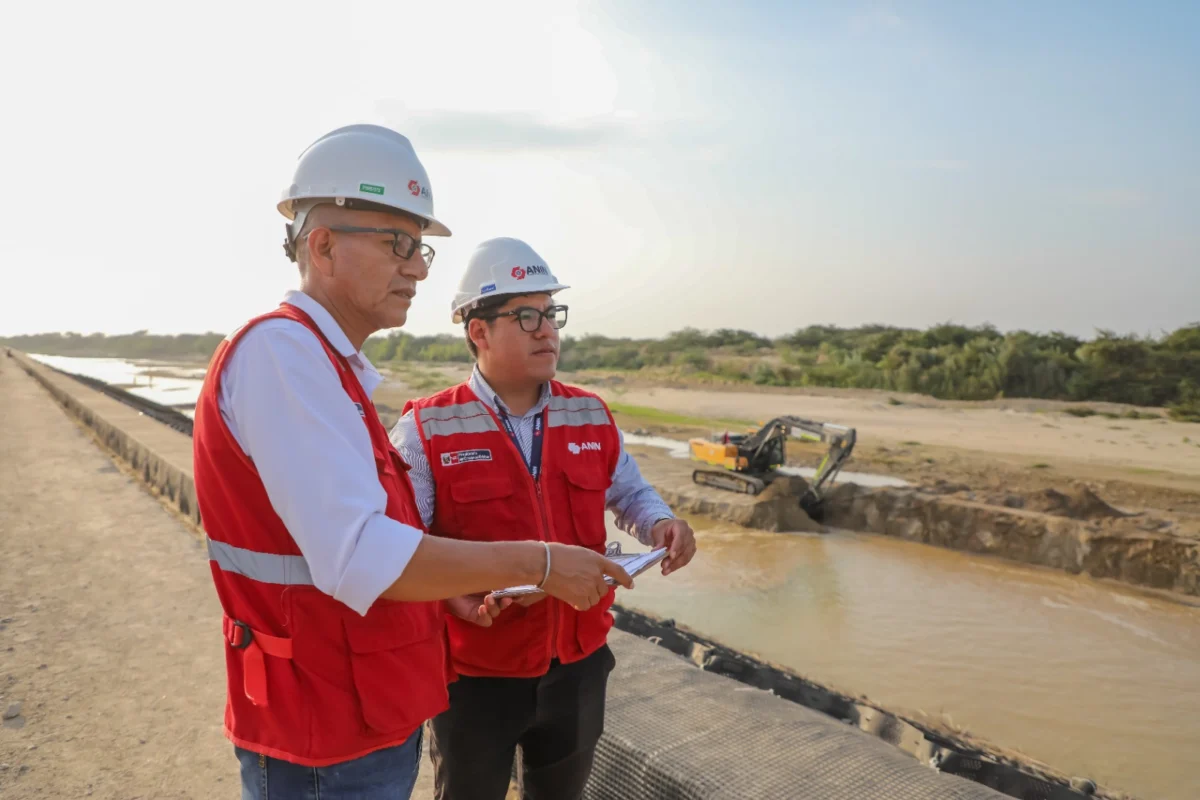
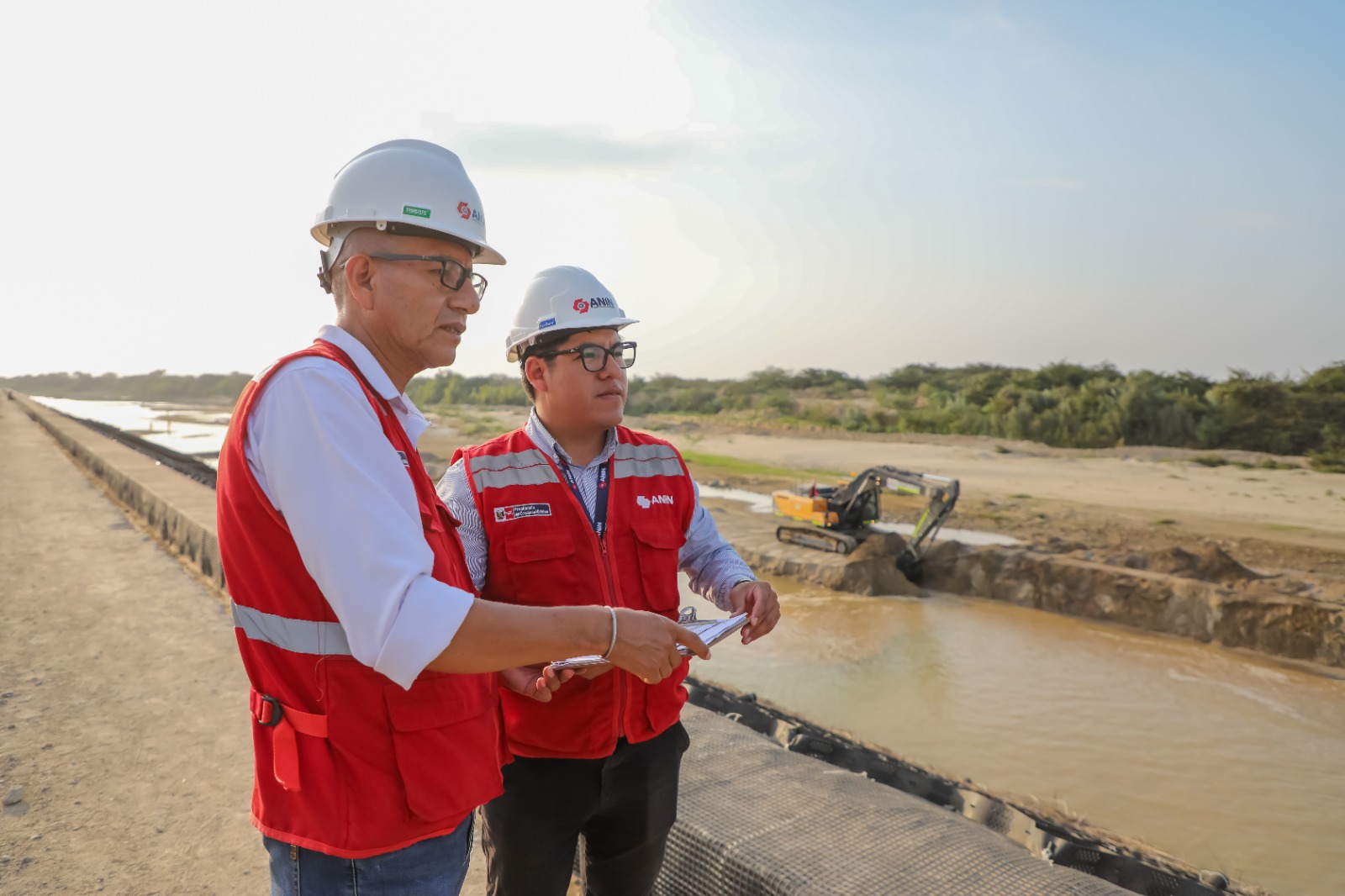
Crucially, the comprehensive intervention at Quebrada San Idelfonso extends to the adjacent Quebrada San Carlos. When considered as a unified effort, these two projects are projected to benefit a staggering 750,000 people across a wider metropolitan area. The combined progress for these interconnected interventions has reached an impressive 77%, demonstrating the robust momentum and effective execution of the work undertaken thus far. The scope of these projects includes the construction of crucial hydraulic infrastructure, such as embankments, diversion channels, and drainage systems, all meticulously engineered to manage and redirect excessive water flow during intense rainfall events. The reinforcement of riverbanks and the implementation of erosion control measures are also integral components, aimed at preventing landslips and the catastrophic inundation of populated areas.
Río Motupe: Securing Lambayeque’s Future
In the Lambayeque region, the Río Motupe project (CUI No. 2501225) receives vital funding to enhance its protective capabilities. This initiative focuses on safeguarding the riparian areas of the Motupe River, a critical watercourse that traverses several densely populated districts. The project aims to protect over 27,000 individuals living in the districts of Motupe, Jayanca, Mórrope, Pácora, Salas, and Túcume. These communities are particularly vulnerable to the river’s overflow during periods of heavy rainfall, a common occurrence exacerbated by El Niño.
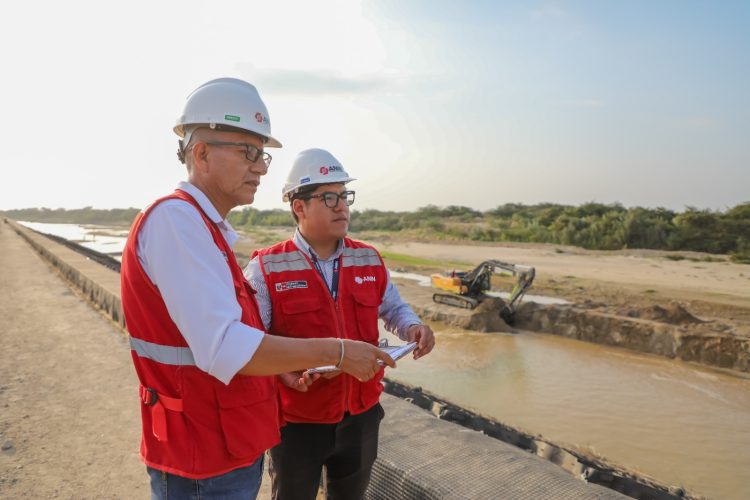
The Río Motupe project has achieved a total progress of 34.57%. The ongoing work involves the construction and reinforcement of dikes and levees along the riverbanks, as well as the implementation of sediment management strategies to ensure the efficient flow of water. The objective is to create a robust buffer zone that can withstand the increased water volumes and prevent the river from breaching its banks and inundating the surrounding agricultural lands and urban centers. The socio-economic fabric of these districts is heavily reliant on agriculture, making the protection of arable land from flooding a paramount concern.
Quebrada Cansas/Chanchajalla: Fortifying Ica’s Resilience
The southern coastal region of Ica also benefits from this critical funding through the Quebrada Cansas/Chanchajalla project (CUI No. 2524692). This initiative is designed to shield approximately 24,000 residents in the sectors of Los Rosales, La Tinguiña, and Chanchajalla from the perils of flash floods and overflowing streams. These areas, often characterized by arid landscapes, can experience sudden and devastating inundation when intense rainfall occurs.
The project has reached a total progress of 53.8%. The scope of work includes the construction of hydraulic works to channel and control water flow from the quebradas (ravines), as well as the implementation of slope stabilization measures to prevent landslides. The protection of these communities, many of whom engage in agricultural activities, is essential for their livelihoods and overall well-being. The project’s strategic importance lies in its ability to preemptively manage water runoff, thereby preventing catastrophic damage to homes, infrastructure, and agricultural lands.
Financial Framework and Accountability
The S/ 375 million allocation is not merely a disbursement of funds but a meticulously structured financial commitment. The Supreme Decree explicitly stipulates that these funds are to be utilized for capital expenditure, falling under the category of non-financial asset acquisition. This directive ensures that the resources are strictly directed towards tangible investments in infrastructure and protective measures, rather than being diverted to operational or recurrent costs. This clear earmarking of funds underscores the government’s commitment to tangible, long-term solutions for disaster preparedness.
The justification for this significant financial transfer is underpinned by comprehensive technical information meticulously prepared by ANIN’s Planning and Budget Office. This data has been rigorously reviewed and has received a favorable technical opinion from the Directorate General of Multiannual Investment Planning of the Ministry of Economy and Finance. This multi-layered validation process ensures that the allocation is based on sound technical assessments, strategic necessity, and a clear understanding of the potential risks and benefits. Furthermore, the decree includes a stringent clause prohibiting the utilization of these transferred resources for any purpose other than those for which they were authorized, reinforcing accountability and ensuring that the investment directly contributes to the stated objectives of El Niño defense.
The Broader Implications: Building a Resilient Peru
The government’s decision to allocate S/ 375 million to ANIN for El Niño defense projects is a testament to Peru’s evolving approach to disaster risk management. In an era of increasing climate volatility, proactive investment in resilient infrastructure is no longer an option but a necessity. This financial injection signifies a strategic shift towards anticipating and mitigating the impacts of climate-related events, rather than solely responding to them after the damage has occurred.
The implications of this decision extend far beyond the immediate construction and protection efforts. By strengthening the defenses in La Libertad, Lambayeque, and Ica, the government is not only safeguarding lives and property but also ensuring the continuity of economic activities in these vital regions. Coastal communities in Peru are significant contributors to the nation’s economy through agriculture, fishing, and tourism. Protecting these sectors from the disruptive forces of El Niño is crucial for national economic stability and growth.
Furthermore, this investment serves as a crucial step in building a more resilient Peru for the future. The lessons learned and the infrastructure developed through these projects can serve as a blueprint for future disaster preparedness initiatives across the country. The collaboration between ANIN and the MEF, along with the rigorous technical review processes, highlights a commitment to efficient and effective governance in the face of complex challenges. As Peru continues to grapple with the realities of climate change, such decisive and well-resourced initiatives will be instrumental in safeguarding its people and its future. The successful implementation of these projects will undoubtedly enhance Peru’s capacity to withstand the inevitable challenges posed by future climatic events, reinforcing its commitment to sustainable development and the well-being of its citizens.