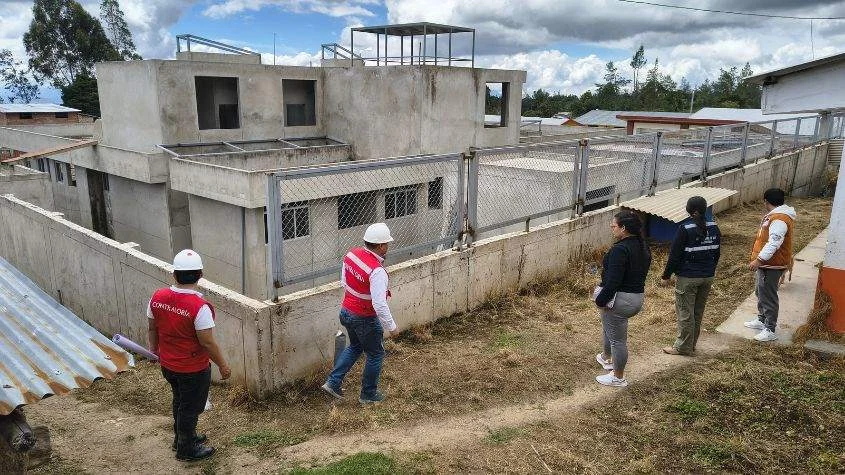
Puno, Peru — In a landmark move to bridge the long-standing healthcare divide in the southern highlands, the Regional Government of Puno (GRP) has officially launched the construction of the new I-3 Level Health Center in the district of Coata. This ambitious project, centered in the village of Carata, represents a pivotal investment of over S/ 41 million, signaling a strategic shift toward modernizing regional medical infrastructure and integrating high-tech diagnostic capabilities into remote Andean communities.
The initiative is not merely a construction project; it is a comprehensive overhaul of how primary and emergency healthcare services will be delivered to thousands of residents across the Puno region, specifically targeting the vulnerable populations of Coata, Capachica, Huata, and Caracoto.
Main Facts: A New Era for Puno’s Healthcare
The project, which has been highly anticipated by local authorities and health officials, is designed to replace aging, inadequate facilities with a modern, high-capacity medical complex.
- Total Investment: Exceeding S/ 41 million (approx. $11 million USD).
- Infrastructure Scope: An expansive footprint covering over 8,000 square meters.
- Execution Timeline: The contract, awarded to the Consorcio Salud SA, stipulates a construction period of 300 calendar days.
- Target Population: The facility is strategically positioned to serve the rural districts of Coata, Capachica, Huata, and Caracoto, providing essential services to communities that have historically struggled with access to specialized care.
- Key Technological Integration: A cornerstone of the new facility is its integration of telemedicine, allowing for remote consultations with specialists in major urban centers, thereby bypassing the geographical isolation of the altiplano.
Chronology: From Planning to Groundbreaking
The path to the groundbreaking ceremony was marked by rigorous administrative processes and technical planning. For years, the inhabitants of the Coata district have advocated for better health infrastructure, often citing the lack of specialized medical equipment as a primary barrier to survival during health crises.
- Project Formulation: Following the identification of the health gap in the Coata district, the Regional Government of Puno prioritized the feasibility study for an I-3 category health center.
- Budget Allocation and Approval: In late 2025 and early 2026, the GRP secured the necessary funding, marking the project as a priority in the regional investment portfolio.
- Tendering and Adjudication: After an exhaustive public procurement process, the Consorcio Salud SA was selected to oversee the construction, meeting stringent criteria for public health project execution.
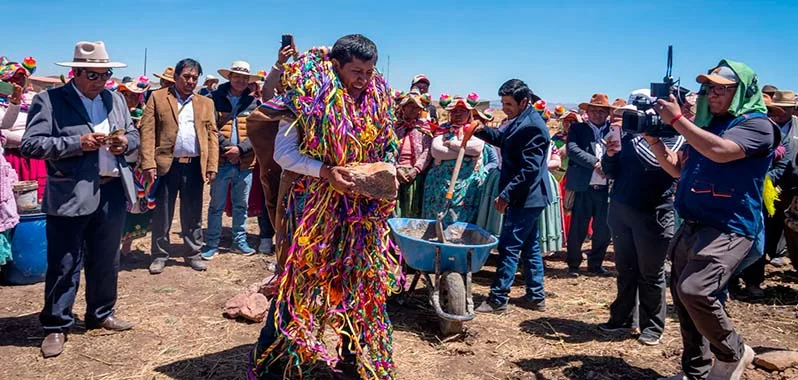
- Groundbreaking (Q4 2026): The official commencement of works was celebrated by local community leaders and regional representatives, signifying the end of the planning phase and the beginning of the construction timeline.
- Completion Target (2027): With a 300-day window, the project is expected to be fully operational by the latter half of 2027.
Supporting Data: Addressing the Healthcare Gap
The investment in Coata is backed by a broader regional strategy to combat the specific health challenges faced by the Puno region. High altitudes and harsh weather conditions contribute to specific morbidity patterns, including respiratory ailments and chronic conditions that require consistent monitoring.

According to health impact studies conducted by the GRP, the inclusion of modern biomedical equipment is essential for the facility to function as an effective I-3 center. The center will not only be a shell of steel and cement but a functioning hub featuring:
- Diagnostic Equipment: State-of-the-art laboratory and imaging equipment capable of providing rapid results, reducing the need for patients to travel to Puno city for basic diagnostics.
- Emergency Logistics: The acquisition of two fully equipped ambulances ensures that the “golden hour” of trauma and emergency care is honored, even in the rugged terrain of the Titicaca basin.
- Administrative Efficiency: Modern furniture and digitized record-keeping systems will allow the staff to manage patient data more effectively, ensuring continuity of care.
Official Responses: A Vision for the Future
During the inaugural ceremony, high-ranking regional officials emphasized that the project is part of a larger, systemic effort to improve the quality of life for the Andean population.
“This is not just about bricks and mortar,” stated a representative from the Regional Government of Puno. “This is about providing dignity to our citizens. By integrating telemedicine, we are effectively removing the mountains that stand between our people and top-tier medical specialists. The Coata project is the standard we intend to set for the entire region.”
The regional authority also took the opportunity to announce further developments, most notably the approval of the technical dossier for the Laboratorio Macroregional de Metales Pesados (Macroregional Laboratory for Heavy Metals) in Jayllihuaya. This move is significant, as it addresses a long-standing concern regarding water quality and environmental health in the region. By creating a dedicated facility for diagnosing heavy metal toxicity, the GRP is demonstrating a proactive approach to the environmental determinants of health.
Implications: Strategic Regional Impact
The impact of the new Coata health facility will be felt across several dimensions of regional development:

1. Decentralization of Specialized Care
The reliance on major hospitals in cities like Puno or Juliaca often places an undue burden on rural families. By elevating the facility to an I-3 status, more complex procedures can be handled locally, preventing the “referral bottleneck” that currently plagues the regional health network.
2. The Role of Telemedicine
In an era of digital transformation, the commitment to telemedicine is perhaps the most transformative aspect of the project. By connecting rural health centers to central hospitals, doctors in Coata can receive real-time guidance from surgeons, cardiologists, and pediatricians located hundreds of kilometers away. This digital bridge is the most effective tool for mitigating the lack of permanent on-site specialists.
3. Economic and Social Upliftment
The construction phase itself brings temporary employment to the district, while the operational phase will require a cadre of skilled healthcare workers, fostering a local labor market for medical professionals and administrative staff. Moreover, a healthy population is a more productive one; by stabilizing the health of the residents in the Coata-Capachica corridor, the regional government is indirectly investing in the economic sustainability of the agricultural and fishing sectors that sustain these communities.
4. Environmental Health Governance
With the upcoming Laboratory for Heavy Metals in Jayllihuaya, Puno is positioning itself as a leader in public health surveillance. The synergy between the new Coata health center and the regional laboratory suggests a coordinated effort to manage public health from both a clinical and an environmental perspective.
Looking Ahead
As the Consorcio Salud SA begins the task of erecting the new facility, the people of the altiplano remain watchful. The success of this project will depend on strict adherence to the 300-day construction schedule and the subsequent procurement of medical staff.

The regional government’s aggressive approach to infrastructure—as evidenced by the simultaneous push for the Coata center and the Jayllihuaya laboratory—signals a political will to leave a legacy of improved health outcomes. If successfully implemented, the new health center in Carata will serve as a blueprint for how Peru can successfully deliver high-quality, modern medical services to its most remote and challenging environments.
For the residents of Coata, the sound of machinery and the breaking of ground in Carata is more than just a construction project; it is a promise of a healthier, more connected future in the heart of the Andes.