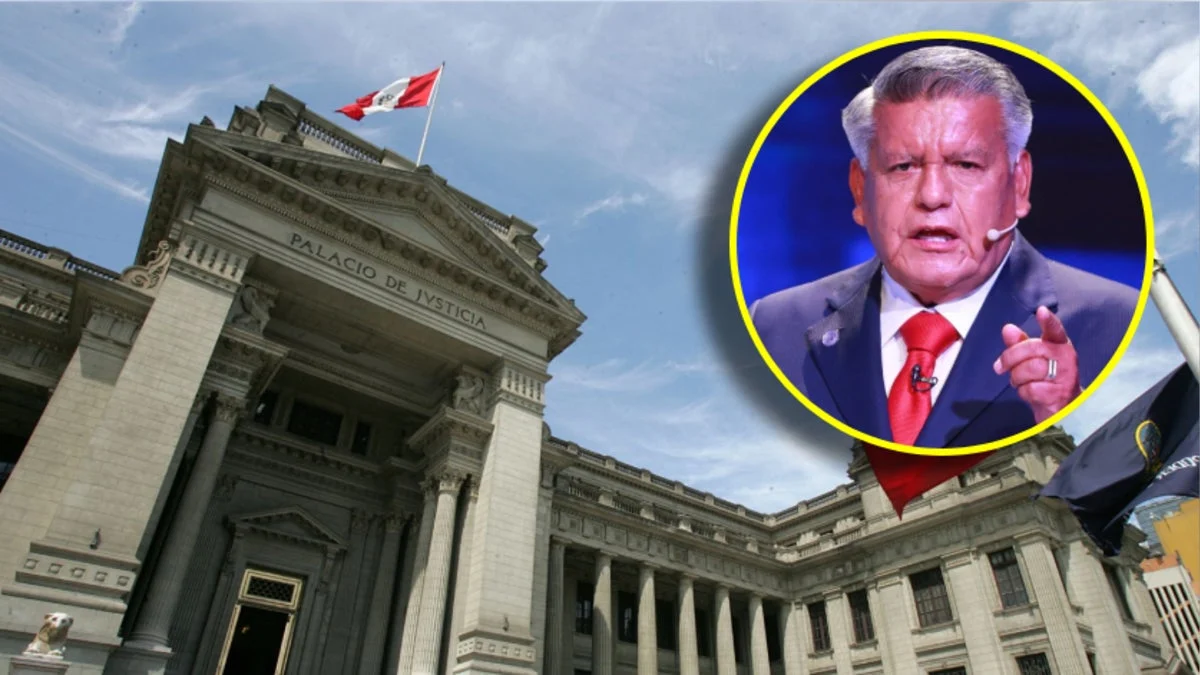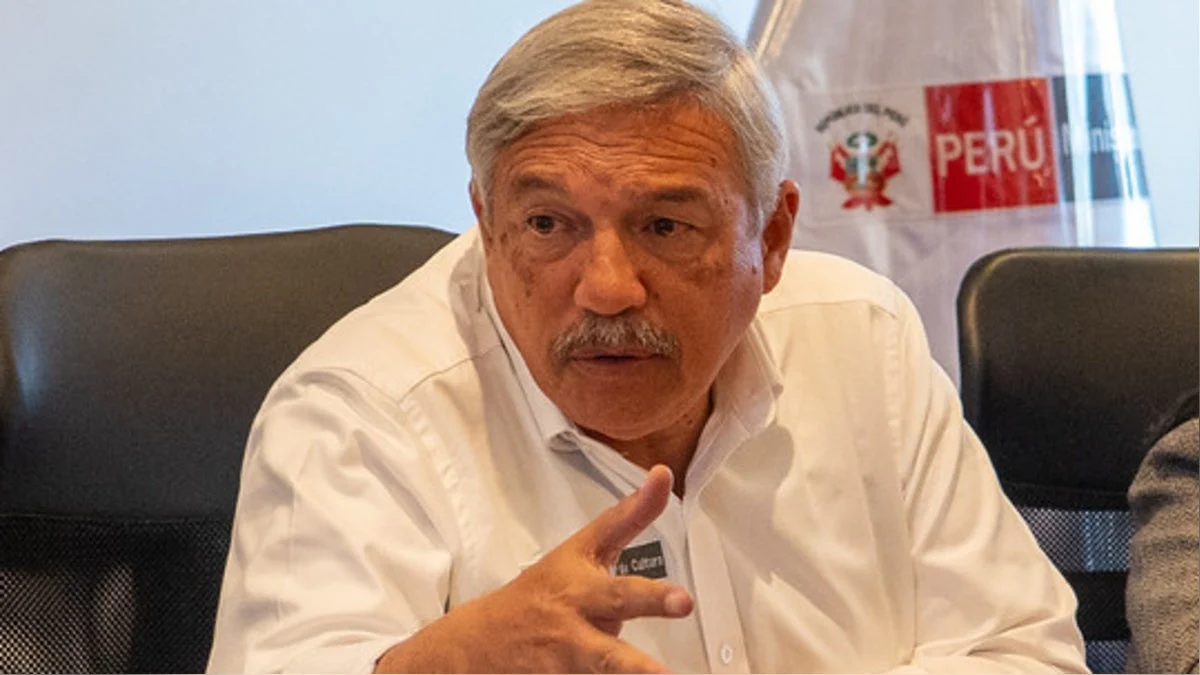
Executive Summary: A Critical Legislative Juncture
The political landscape of the nation is set to reach a pivotal point this Friday, October 9, as the Senate’s Constitution Commission convenes to deliberate on a contentious and high-stakes legislative proposal. The central issue at hand is the granting of special legislative powers to the government of President Keiko Fujimori, specifically targeting two of the most pressing crises currently facing the country: the escalating epidemic of citizen insecurity and the looming, catastrophic threat posed by the El Niño climate phenomenon.
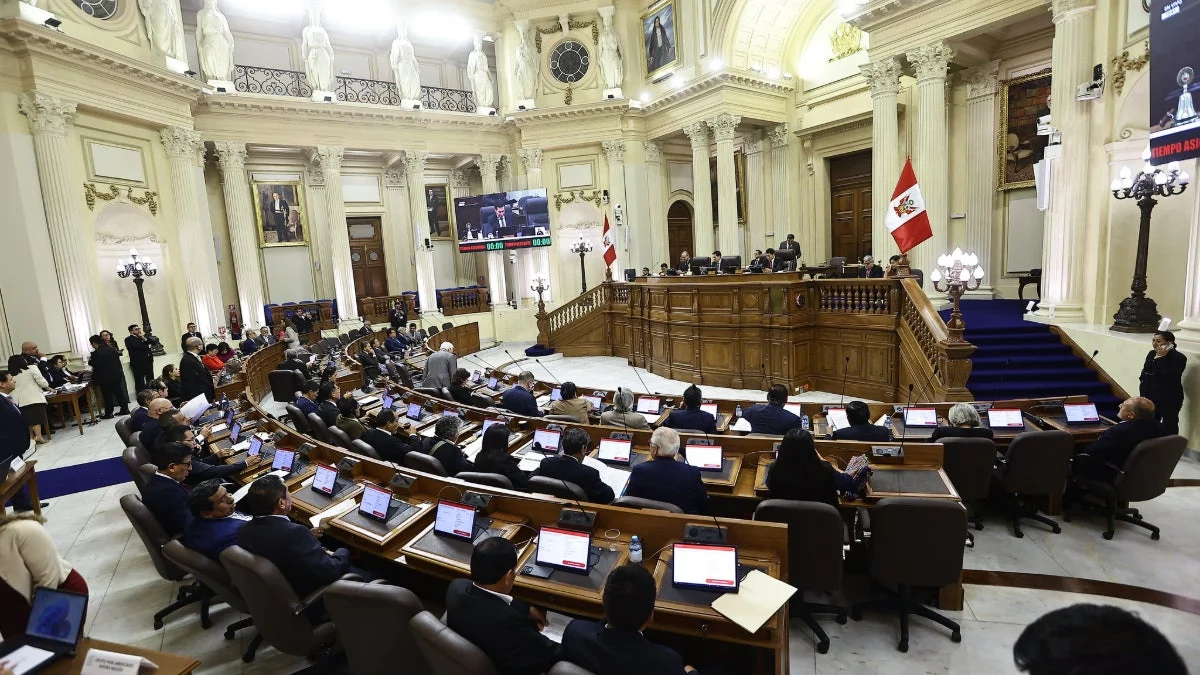
The upcoming session, scheduled for 10:00 a.m. in the historic Francisco Bolognesi hall of the Palace of Congress, represents more than a procedural step; it is a test of executive-legislative cooperation. With the Chamber of Deputies having already signaled its partial approval, the Senate now holds the power to refine, restrict, or advance the administration’s capacity to bypass standard legislative hurdles to enact rapid, executive-driven lawmaking.
Chronology: The Path to the Senate Floor
To understand the gravity of the current situation, one must trace the legislative trajectory of this proposal over the past several weeks.
- Initial Request: The Fujimori administration formally petitioned the Congress for legislative powers covering 66 distinct points across eight thematic areas. The government argued that the urgency of the climate crisis and the criminal surge necessitated a streamlined legislative process.
- Congressional Scrutiny: Over several weeks, the Chamber of Deputies’ committees analyzed the breadth of the executive’s request. Debates were characterized by sharp partisan divisions, with opposition members expressing skepticism regarding the scope of the powers requested.
- The Vote in the Chamber: In a decisive, albeit divided, session, the Chamber of Deputies voted to approve a majority report. The final tally—66 votes in favor, 34 against, and 24 abstentions—demonstrated that while there is an appetite for government action, the legislative branch remains deeply cautious about ceding its constitutional authority.
- Current State: The Chamber of Deputies ultimately authorized 20 of the original 66 requested points. The ball is now firmly in the Senate’s court, where the Constitution Commission will evaluate whether these 20 points provide sufficient latitude for the Executive to act effectively while maintaining the necessary checks and balances.
Supporting Data: The Two Pillars of Urgency
The government’s request is underpinned by two primary pillars: the fight against rising crime and the preparation for a severe climate emergency.
1. The Shadow of El Niño
Meteorological data has painted a grim picture for the coming months. Government experts and international climate agencies warn that the current El Niño event is poised to surpass the historical records of 1997 and 1998, which left devastating impacts on infrastructure and agricultural output. The administration argues that the existing bureaucratic framework is too sluggish to handle the rapid-response requirements of a disaster of this magnitude.
2. The Crisis of Citizen Insecurity
Concurrently, the nation is grappling with a surge in violent crime that has undermined public confidence. The Executive’s plan, which the legislature is currently reviewing, focuses on several high-priority areas:
- Enhanced Border and Migration Control: Modernizing the tracking of individuals entering and exiting the country.
- Communications Security: Implementing technology to identify and block illicit telecommunications originating from within the prison system.
- Firearm Regulation: Stricter oversight and fiscalization of weapon possession to stem the flow of illegal arms into criminal hands.
- Penitentiary Reform: A comprehensive overhaul of the prison system to address systemic overcrowding and the command-and-control capabilities of incarcerated criminal leaders.
Official Responses and Cabinet Involvement
Recognizing the necessity of transparency, the Constitution Commission has summoned key members of the executive branch to provide a detailed briefing. Prime Minister Luis Galarreta is expected to lead the delegation, accompanied by a high-profile cabinet, including:
- Ernesto Álvarez (Minister of Justice and Human Rights): To discuss the legislative overhaul of the penal system.
- César Astudillo (Minister of the Interior): To outline the tactical implementation of security measures.
- Rafael Belaúnde (Minister of Defense): To discuss logistical support for disaster mitigation.
- Marco Vinelli (Minister of Agrarian Development and Irrigation): To detail the strategy for supporting farmers during the El Niño drought/flood cycles.
- Juan Requejo (Minister of Production) and Mauricio Arnillas (Minister of Housing): To address the economic and infrastructure resilience required during the upcoming months.
Furthermore, the Commission has invited the chairpersons of various Senate committees—ranging from Health and Education to Energy and Mines—to ensure that the potential impacts of these executive powers are scrutinized through every relevant legislative lens.
Implications: The Balance of Power
The Senate’s decision will have profound implications for the remainder of the presidential term. By granting these powers, the Senate essentially allows the Executive to bypass the traditional parliamentary debate process for 90 days.
The Constitutional Debate
Critics of the move argue that delegating legislative powers is a slippery slope that undermines the role of Congress as a representative body. They contend that any legislation regarding public policy—especially matters as sensitive as migration or emergency aid—should be subject to the full public debate of the Chamber and the Senate.
Conversely, proponents of the measure, including key allies of the Fujimori administration, point to the "White Flag of Peace" appeal made by the President, urging political actors to set aside party flags to address the nation’s survival. They argue that in times of existential threat, the "paralysis of bureaucracy" is a greater danger than the temporary expansion of executive authority.
Economic and Social Impact
If approved, the administration will have the authority to facilitate the immediate delivery of humanitarian aid through the National Institute of Civil Defense (Indeci). This specific measure is designed to bypass the standard 15-day waiting period for emergency disbursements, potentially saving lives during the onset of the climate phenomenon. For the agricultural sector, the powers would allow for a swift infusion of subsidies and technical support, preventing a total collapse of food production chains in the regions most affected by the climatic shifts.
Conclusion: A Test of Democratic Resilience
As the Senate prepares for the session on October 9, the eyes of the nation remain fixed on the Francisco Bolognesi hall. The outcome will signal whether the current legislative and executive branches are capable of functioning in a unified manner during a period of crisis, or if the political friction that has defined the recent legislative cycle will continue to stall progress.
For the Fujimori administration, this is the most critical hurdle to date. The limitation of the original 66 points down to 20 suggests that the Congress is willing to act as a partner, but only under strictly defined conditions. Whether these 20 points will be enough to stem the tide of rising crime and mitigate the historic risks of El Niño remains a matter of intense debate.
The Senate’s deliberation this Friday will be the final word on how much trust the legislative branch is willing to place in the Executive. It is a decision that will reverberate through the economy, the streets of the cities, and the agricultural heartlands for months, if not years, to come. As the country braces for the climate challenges ahead, the political climate remains equally turbulent, proving that in this democracy, the most difficult decisions are often those that require the most compromise.