Introduction: A New Era for Regional Connectivity
The landscape of Costa Rica’s northern province of Guanacaste is currently undergoing a significant physical transformation. With the recent reports from the National Highway Council (CONAVI), the development of the new bridge infrastructure over the Tempisque River has reached a pivotal 12% completion milestone. This ambitious engineering project, backed by a substantial investment of 2,683 million colones, is not merely a construction endeavor; it is a critical artery designed to harmonize the region’s growing logistics demands with its international profile. As the country eyes long-term economic growth, this infrastructure project stands as a cornerstone for enhancing transit toward the Daniel Oduber Quirós International Airport, effectively bridging the gap between local mobility and global tourism.
Core Facts: Technical Specifications and Project Scope
The project, which represents a sophisticated intersection of civil engineering and urban planning, is designed to modernize the critical Ruta Nacional 21. By shifting the infrastructure toward a four-lane configuration, authorities aim to alleviate the historical bottlenecks that have plagued the region for decades.
Engineering Details
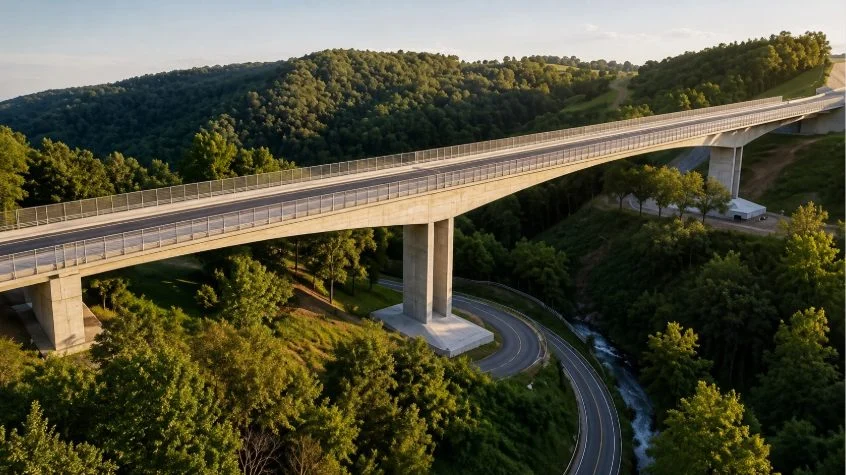
The backbone of this initiative involves the installation of two high-performance "Waagner-Biró" truss structures. Each of these structures spans approximately 121.5 meters, engineered to provide maximum structural integrity while accommodating modern traffic loads. The design is comprehensive, integrating not only vehicular lanes but also dedicated pedestrian sidewalks, ensuring that the bridge serves the dual purpose of regional transport and community safety.
Currently, the primary activity on-site is the complex process of driving piles into the riverbed. This foundation work is the most rigorous phase of the construction, requiring precision to ensure the bridge can withstand the geological conditions of the Tempisque River basin.

Chronology: A Roadmap to Completion
The project is being executed in a meticulously phased manner to ensure that current transit flow is not severely interrupted during the transition period.
- Phase 1 (Current – 2026): Focus remains on the foundation (piling) and the primary assembly of the first bridge structure. This period is defined by heavy on-site logistics and the coordination of specialized labor to ensure the structural skeleton is completed by year-end.
- Phase 2 (2027): The completion and inauguration of the first bridge. This will allow traffic to be diverted, facilitating the seamless continuation of logistics while the existing, aging infrastructure is prepared for decommissioning.
- Phase 3 (2028): The final stage involves the demolition of the legacy bridge structure and the full implementation of the four-lane system. This final phase will mark the total modernization of the corridor, providing a permanent solution to the transit capacity issues that have affected Santa Cruz and Liberia.
Supporting Data: Economic and Logistics Implications
The importance of this bridge cannot be overstated. The route connects the burgeoning residential and commercial hub of Santa Cruz with the provincial capital, Liberia, and the Daniel Oduber Quirós International Airport.
Why This Matters for Guanacaste
- Airport Connectivity: As the gateway for millions of tourists, the efficient flow of traffic from the airport to coastal resorts and inland municipalities is vital. By upgrading to four lanes, the government is effectively reducing travel times and lowering logistics costs for tourism operators.
- Regional Logistics: Guanacaste is an agricultural and industrial powerhouse. The bridge serves as a conduit for the transport of goods, where reduced congestion translates directly into lower fuel consumption and increased delivery reliability.
- Future-Proofing: The design philosophy moves away from temporary fixes and toward durable, high-capacity infrastructure. By investing 2,683 million colones, the state is signaling a commitment to long-term regional development.
Official Perspectives: The Role of CONAVI
The National Highway Council (CONAVI) has emphasized that this project is a strategic component of the broader national infrastructure plan. According to agency representatives, the 12% advancement is currently on track with the established timeline. The project team has implemented a robust oversight mechanism to monitor environmental impact, particularly given the proximity to the river’s ecosystem, and the structural requirements of the Waagner-Biró technology.
The official stance highlights that the incorporation of a provisional pedestrian walkway during the construction phase serves as a temporary but essential bridge for the local population, ensuring that the project does not isolate residents while the heavy machinery is in operation.

Implications for the Future of Infrastructure
The Tempisque River project is indicative of a broader trend in Central American infrastructure: the move toward modular, high-durability steel bridge construction. These structures are favored for their speed of installation and their ability to handle high-traffic density with minimal maintenance compared to traditional concrete alternatives.
A Model for Regional Development
If successful, the methodology employed here—whereby a new structure is built alongside an existing one before the latter is phased out—could serve as a blueprint for other bottleneck points in Costa Rica. This "phased transition" minimizes the socio-economic friction often associated with road works. The project also underscores the necessity of public-private coordination, as the airport’s success is intrinsically tied to the capacity of the roads that feed into it.
Challenges and Mitigation Strategies
Engineering projects of this magnitude rarely proceed without obstacles. The primary challenge identified is the hydrological behavior of the Tempisque River. Engineers have had to account for seasonal variations in water levels and soil stability to ensure the piling process is secure. Furthermore, the management of construction debris and environmental mitigation during the demolition of the old bridge in 2028 will require strict adherence to environmental protection laws to preserve the surrounding riparian zones.
Conclusion: Bridging the Future
As the construction crews continue their work through the latter half of 2026, the progress on the Tempisque River bridge serves as a beacon of modernization for Guanacaste. The integration of advanced truss technology, a clear multi-year timeline, and a focus on both vehicular and pedestrian safety ensures that this investment will yield dividends for years to come.

For the residents of Santa Cruz and Liberia, and for the thousands of travelers passing through each week, the new bridge represents a significant leap forward in quality of life and economic connectivity. By 2028, when the project reaches its full four-lane capacity, Costa Rica will have solidified another key component of its national transport network, proving that the commitment to high-standard infrastructure remains a central pillar of the nation’s progress in the 21st century.
Disclaimer: This article provides a comprehensive overview based on current infrastructure reports. For real-time updates on transit diversions or project status, travelers and stakeholders are encouraged to monitor official CONAVI bulletins.