By Industry Correspondent
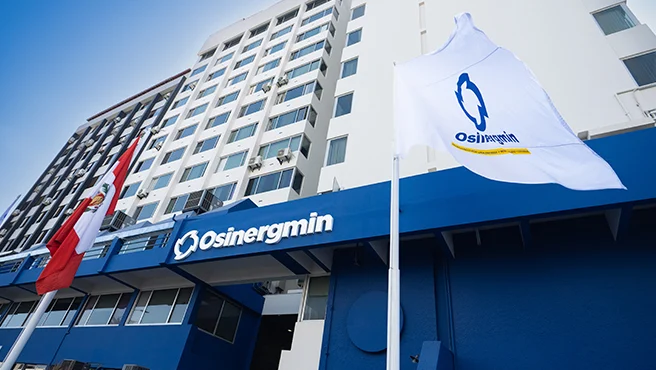
Minsur, the flagship mining subsidiary of the Peruvian industrial conglomerate Grupo Breca, has officially initiated a strategic move to solidify its global dominance in the refined tin market. The company has formally submitted its Ninth Technical Supporting Report (ITS, by its Spanish acronym) to the National Service for Environmental Certification for Sustainable Investments (Senace). This ambitious proposal, backed by an estimated investment of US$ 9,669,632, aims to modernize the company’s smelting and refining infrastructure, addressing evolving operational requirements and technological benchmarks identified over the past several years.
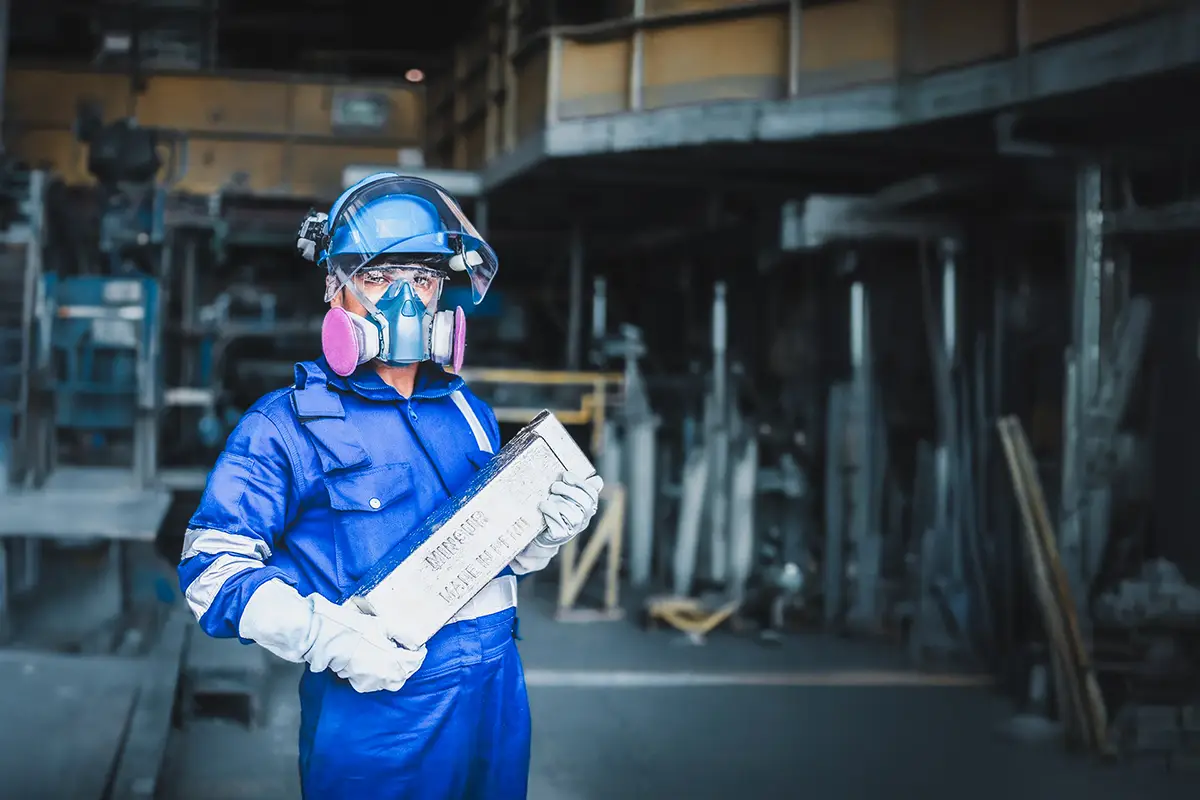
The project is not merely a maintenance exercise but a comprehensive overhaul of Minsur’s production capabilities, involving 21 specific technical modifications. Through these upgrades, Minsur intends to bolster its capacity to produce high-purity, "low lead" tin—a product increasingly sought after by the global electronics and green energy sectors.
Main Facts: A Strategic Investment in Refining Excellence
The core objective of the Ninth ITS is the optimization of Minsur’s smelting and refining plant. By integrating advanced metallurgical technologies and streamlining internal logistics, the company aims to ensure the continuity of its production cycle while simultaneously improving safety and environmental standards.
Key components of the investment include:
- Capacity Expansion: A 20% vertical increase in the slag deposit to avoid production bottlenecks.
- Technological Upgrades: Installation of a vacuum furnace and automated crystallizers to improve tin purity.
- Operational Safety: Significant upgrades to the Ausmelt furnace and fire suppression systems for conveyor belts.
- Logistical Optimization: Improved storage facilities for raw materials and refined products to reduce transit times and operational hazards.
Chronology: The Evolution of Minsur’s Operational Strategy
Minsur’s operational journey has been marked by a constant pursuit of efficiency. The current proposal follows the lessons learned from previous technical reports, most notably the Eighth ITS.
The Shift in Refractory Management:
In the previous Eighth ITS, Minsur had received authorization to process used refractory bricks at its San Rafael concentrator plant to recover residual tin. However, real-world industrial testing revealed that the recovery rates were lower than initially projected. Consequently, the company has pivoted its strategy. Under the new Ninth ITS, Minsur proposes the commercialization of these used refractory bricks, effectively shifting from a model of internal recovery to one of external value creation. This decision reflects a data-driven approach to resource management, prioritizing high-yield processes over those that demonstrate diminishing returns.
Technological Maturation:
Over the last decade, Minsur has systematically transitioned from manual-heavy smelting processes to high-tech, automated environments. The introduction of the vacuum furnace and automated crystallizers represents the latest phase in this multi-year digital and physical transformation, ensuring the plant can meet the stringent purity requirements of the international high-tech manufacturing sector.
Supporting Data: Engineering a Modern Smelter
The US$ 9.6 million budget is allocated across several critical infrastructure upgrades designed to maximize the lifespan and output of the refinery.
1. Slag Deposit Optimization
The current slag deposit is approaching its authorized limit at the 75-meter elevation mark. To prevent a forced halt in production, Minsur plans to construct a new bench up to the 77.5-meter level. This "re-growth" is critical to maintaining the plant’s operational rhythm, as any interruption at this stage of the chain would have cascading effects on global supply contracts.
2. High-Purity Metallurgical Processes
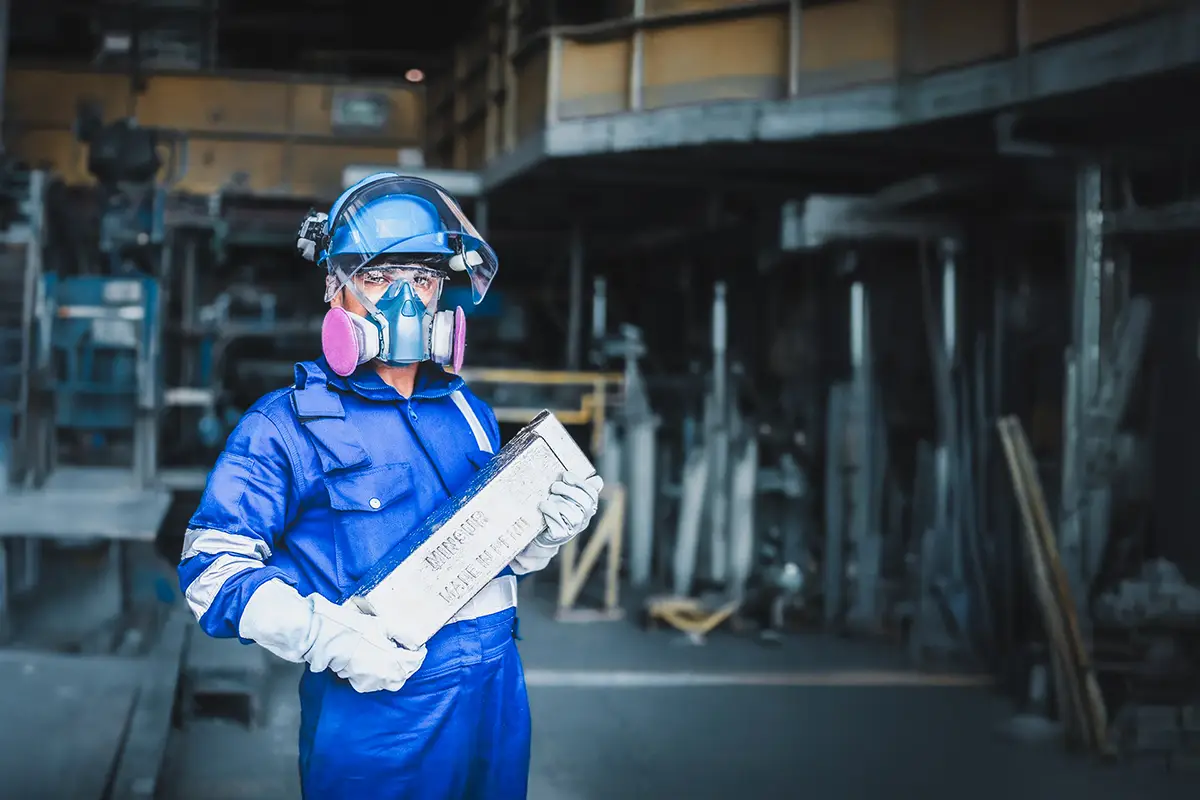
The implementation of a vacuum furnace is a major technical leap. This equipment is designed to strip away volatile impurities and heavy metals that are difficult to remove via traditional smelting. By pairing this with three new automated crystallizers, Minsur expects to see a significant reduction in processing times and an increase in the production of "low lead" tin, which commands a premium price in international markets.
3. Logistical and Storage Enhancements
The project includes a substantial expansion of the facility’s footprint, including:
- Material Flexibility: Reconfiguring the bunker to store both coal and tin concentrate, providing a wider buffer for raw material supply.
- Traffic Management: Installing an additional weighbridge at the plant’s perimeter to decongest the main warehouse entrance.
- Safety Zones: Developing dedicated areas for ingot cooling and refractory material heating, which will significantly lower ergonomic risks for personnel.
Official Responses and Regulatory Compliance
Minsur’s submission to Senace follows a rigorous internal vetting process. In official statements accompanying the submission, the company emphasized that these modifications are essential to "maintaining operational continuity and meeting the increasing quality demands of the global market."
The company has highlighted that the project aligns with its corporate sustainability goals. By integrating these new technologies, Minsur expects not only to improve the quality of its tin but also to optimize energy consumption per ton produced. The move to centralize lubrication systems in containers with controlled atmospheres, for instance, is a direct response to maintaining machinery health and preventing environmental contamination by ensuring oils meet strict ISO-4406 cleanliness standards.
Regulators at Senace are currently reviewing the environmental and social implications of the 21 modifications. As part of the standard Peruvian regulatory framework, the company has provided extensive documentation showing how these changes will operate within existing environmental permits, ensuring that the increase in vertical storage and production capacity does not violate safety or environmental thresholds.
Implications: The Future of Tin Production
The impact of this modernization plan extends beyond the walls of the refinery. For the Peruvian mining industry, Minsur’s investment serves as a benchmark for how established mining companies can maintain competitiveness in an era of rapid technological change.
The Global Market Perspective
Tin remains a critical metal for the global transition to renewable energy and advanced electronics. As manufacturers demand higher purity levels to comply with international environmental regulations, companies like Minsur that invest in refining technology are better positioned to command market share. By focusing on "low lead" tin, Minsur is effectively insulating its business from the volatility of lower-grade commodity markets.
Safety and ESG Benchmarks
The inclusion of fire detection and suppression systems for conveyor belts, as well as the transition to automated control systems (DCS) for the Ausmelt furnace, signals a shift toward "zero-harm" operations. The company is actively moving to remove workers from the most hazardous areas of the plant—such as the positioning of the furnace lance—and moving those functions to a climate-controlled, automated room. This reduces the risk of workplace accidents and human error, which is crucial for modern ESG (Environmental, Social, and Governance) reporting.
Operational Efficiency
The logistical improvements, including the new truck inspection zones and the reorganization of storage, are expected to reduce "dead time" in the supply chain. For a company dealing with the complex logistics of mining, every hour saved in truck loading and material processing translates to a direct improvement in the bottom line.
Conclusion
Minsur’s Ninth ITS is a sophisticated roadmap for the future. By moving away from inefficient internal recycling of refractories and embracing high-purity vacuum refining and automated logistics, the company is ensuring that its operations remain relevant for the next generation of industrial demand. As the project awaits final approval from Senace, the industry will be watching closely, as this investment represents a clear vote of confidence in the long-term viability and high-tech potential of Peruvian tin production.
Through these 21 modifications, Minsur is not just repairing or updating its plant—it is re-engineering its competitive advantage in a volatile global marketplace. Whether it is the 20% growth in slag capacity or the granular attention to lubricant purity, every aspect of the plan underscores the company’s commitment to precision, safety, and sustainable industrial growth.