Executive Summary: A Clash of Governance Philosophies
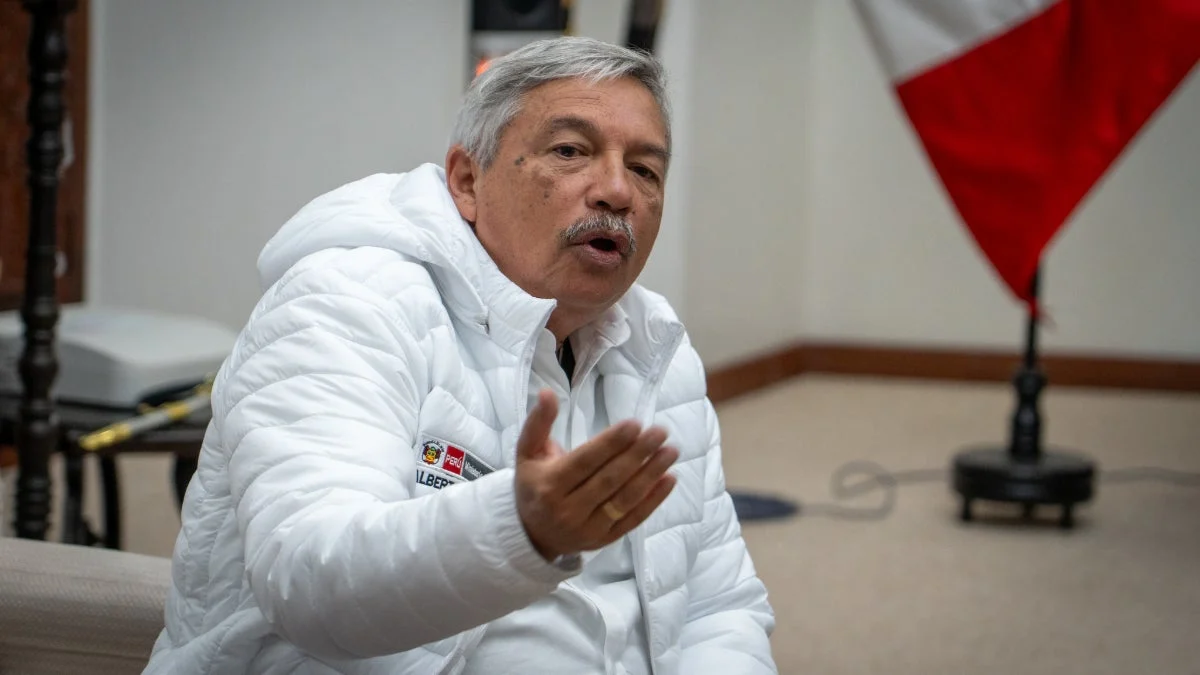
In a pivotal week for the Peruvian government, Minister of Culture Alberto Beingolea has emerged as a central figure, balancing intense legislative friction over delegated powers with a bold, controversial overhaul of the ticketing system for the country’s most iconic landmark, Machu Picchu.
The Minister’s recent public statements reveal a deepening rift between the executive branch and a coalition of legislative groups. While certain parliamentary factions demand that the government narrow its scope to specific, emergency-focused legislative requests—specifically security and the impending ‘El Niño’ weather phenomenon—Beingolea has dismissed this approach as "compartmentalized" and strategically flawed. Simultaneously, the Ministry of Culture is tackling systemic corruption and inefficiency in tourism by eliminating the long-standing system of advance reservations for the Machu Picchu citadel, a move aimed at curbing black-market dynamics that have historically plagued the site.
The Legislative Impasse: Security vs. Comprehensive Policy
The Conflict Over Delegated Powers
The core of the current political tension lies in the debate over the "delegation of faculties," a constitutional mechanism allowing the Executive to issue legislative decrees on matters usually reserved for Congress.
Three specific parliamentary blocs—Ahora Nación, Juntos por el Perú, and Obras—have formally requested that the Prime Minister, Luis Galarreta, withdraw the current proposal and submit a revised version. Their argument is centered on precision: they contend that in times of crisis, the government should prioritize only two areas: public security and preparation for the environmental and infrastructure threats posed by the ‘El Niño’ phenomenon.
Beingolea’s Counter-Argument: The "Integral Problem"
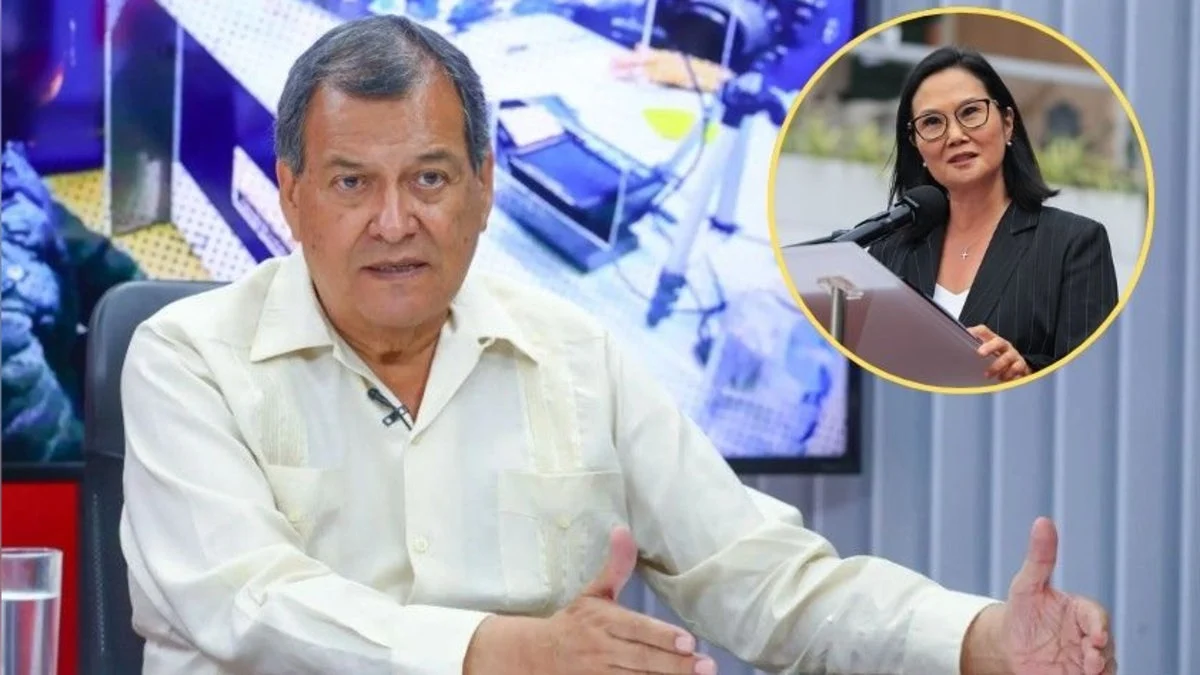
Minister Beingolea, speaking in a candid interview with RPP, characterized this legislative pressure as a dangerous "error of vision." He argued that the political class advocating for these restrictions suffers from a failure to understand the interconnected nature of modern governance.
"The problems of the country are integral," Beingolea stated. "This opinion, which is beginning to gain traction among a certain group of politicians—that public security is one thing, the ‘El Niño’ phenomenon is another, economic welfare is a third, and labor development is a fourth—is a deeply mistaken vision. It is the classic ‘compartment’ fallacy. They believe that things can be fixed in isolation, failing to realize that a modern state requires a holistic approach to progress."
For the Executive, limiting the delegation of powers to only security and climate response would leave critical economic and social reforms in a state of legislative paralysis. The government maintains that without the authority to legislate on labor and the broader economy, the country’s long-term stability remains compromised.
Chronology of the Legislative Standoff
To understand the current urgency, one must look at the progression of the government’s request:
- Initial Filing: The Executive submits the request for delegated powers, emphasizing a broad range of policy areas intended to stimulate economic recovery and institutional strengthening.
- Congressional Pushback: As the request moves through the Committee on the Constitution, opposition grows. Six sub-committees of the Chamber of Deputies reject the proposal, citing a lack of "material precision" as required by Article 104 of the Constitution.
- The "Emergency" Pivot: Recognizing the legislative gridlock, the three opposition blocs issue an official letter to Prime Minister Galarreta, urging a pivot to a "security and disaster-prevention only" agenda.
- The Current Standstill: The Committee on the Constitution remains poised to vote, with the Executive under immense pressure to either compromise on its scope or risk a total defeat of its legislative agenda.
The Machu Picchu Reform: Tackling Systemic Inefficiency
Dismantling the "Mafia" of Reservations
While the political debate rages in the capital, the Ministry of Culture has moved forward with a significant administrative shift in the tourism sector. Minister Beingolea announced the immediate cessation of the "advance reservation" system for Machu Picchu, a mechanism he openly described as a facilitator of "mafia-like" behavior.
The Minister explained that the old system did not actually facilitate broader access; instead, it created a bubble of false expectations. "You create an entire dynamic where it appears that all tickets are sold out," Beingolea explained. "The reality is that people cannot buy them, yet when the ‘reservations’ are returned to the system—which happens at an alarming rate—they are not readily accessible to the general public. It’s a mechanism that fuels the black market."
Supporting Data: The 62% Failure Rate
The Ministry provided compelling data to justify the change. According to the most recent report from the Ombudsman’s Office (Defensoría), 62% of all blocked or reserved tickets for Machu Picchu were ultimately returned to the system unused.
"62 percent! That number is absolutely gigantic," Beingolea emphasized. "This is exactly why tourism numbers have been declining at the citadel. We are artificially restricting the flow of visitors based on a system that rewards hoarding rather than actual demand."
New Operational Standards
Under the new mandate, the government will continue to release 1,000 tickets for direct, in-person purchase, but with a massive technical overhaul:
- Elimination of the 3-hour grace period: The old system, which allowed reservations to be held for three hours, is being scrapped.
- The 15-Minute Rule: The new digital architecture will enforce a "direct purchase" model, where a reservation must be backed by a confirmed payment within 15 minutes, or the ticket is immediately released back into the public pool.
This transition is expected to stabilize the number of visitors and ensure that genuine tourists, rather than ticket-scalpers, occupy the limited slots available for the world-famous site.
Implications for the Future
The Political Fallout
The refusal of six parliamentary commissions to support the current legislative request suggests that the Executive branch is in a weakened position. If the government refuses to narrow its focus, it risks having the entire petition rejected, which would be a severe blow to the administration’s credibility. However, yielding to the opposition’s demand for a "narrow" focus could alienate the government’s base and signal an inability to manage the country’s broader economic needs.
Social and Cultural Impact
The promotion of culture remains a cornerstone of Beingolea’s tenure. The Minister’s comments were made during the anniversary celebrations of Law No. 30487, the "Law for the Promotion of Cultural Points," which supports 841 civil organizations across Peru. The Minister’s dual focus—managing high-stakes political conflict and protecting the integrity of Peru’s cultural heritage—highlights the complex burden of his office.
The shift in the Machu Picchu ticketing system is not merely an administrative tweak; it is a signal of a shift toward technocratic efficiency in a sector long characterized by opacity and corruption. By aligning his administrative decisions with data-driven results (such as the 62% return rate), Beingolea is attempting to build a narrative of competence in a political climate often dominated by unproductive rhetoric.
Conclusion: A Test of Institutional Resilience
As the Committee on the Constitution prepares for its final decision, the nation watches to see if the Executive and the Legislative branches can find a path forward. Minister Beingolea’s firm stance—that the nation’s challenges cannot be solved in isolation—represents a fundamental challenge to the current legislative trend of fragmentation.
Whether the government succeeds in securing its requested powers or is forced to concede to a more limited agenda, the episode underscores a wider truth: in a country as complex as Peru, the path to stability is rarely found in isolated, compartmentalized solutions, but rather in the difficult, necessary work of integrated, long-term policy development. As for Machu Picchu, the coming months will reveal if the elimination of the reservation system successfully democratizes access to one of the world’s most cherished wonders.