By Political Correspondent
The legislative landscape of the nation experienced a significant shift this week as the Junta de Portavoces (Board of Spokespersons) of the Chamber of Deputies reached a decisive agreement regarding the leadership of the pivotal Ethics Commission. Following days of internal negotiations and mounting public pressure, the Chamber has solidified the structure that will oversee parliamentary conduct, even as broader discussions regarding the distribution of other legislative committees remain deadlocked.
The agreement, confirmed by high-ranking legislative officials, marks a turning point in the Chamber’s efforts to restore institutional integrity, particularly in light of recent controversies involving alleged misconduct by parliamentarians.
The Core Agreement: Restructuring the Ethics Commission
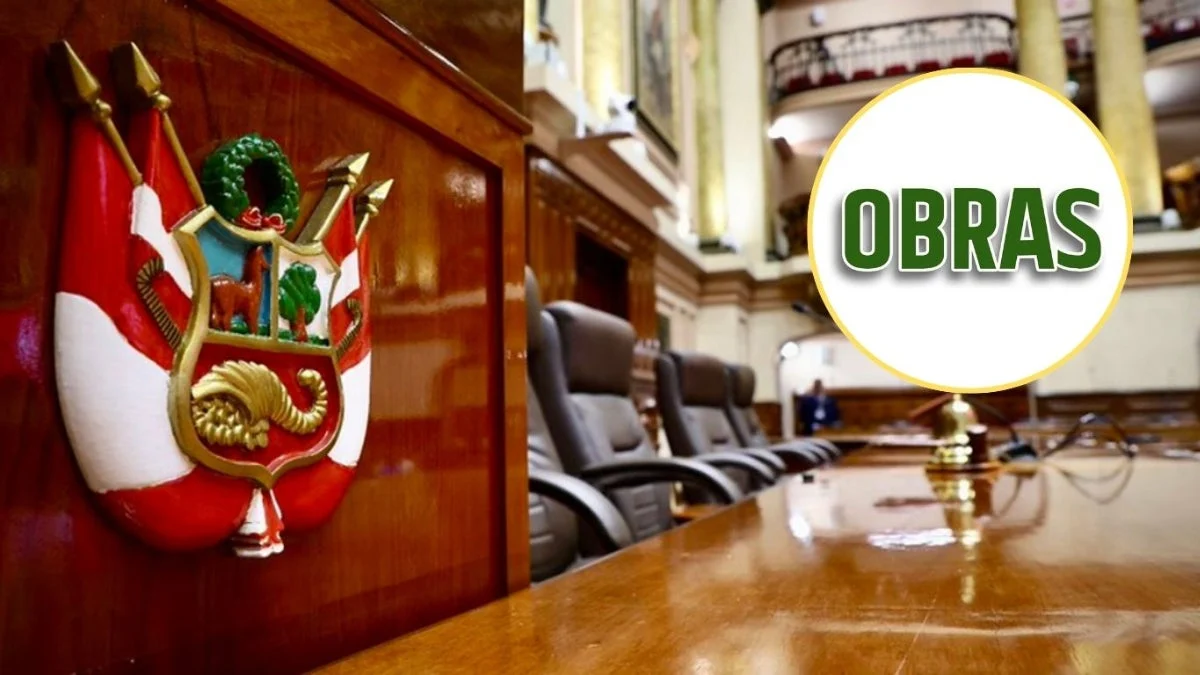
In a session characterized by intense deliberation, the Board of Spokespersons determined that the Partido Cívico Obras will assume the presidency of the Ethics Commission. The leadership role has been entrusted to Heber López Letona, a prominent deputy from the party, who is now tasked with navigating the commission through a period of heightened public scrutiny.
The distribution of the remaining key positions within the commission has been allocated to ensure a multi-partisan balance:
- Presidency: Partido Cívico Obras (Heber López Letona)
- Vice Presidency: Juntos por el Perú
- Secretariat: Ahora Nación
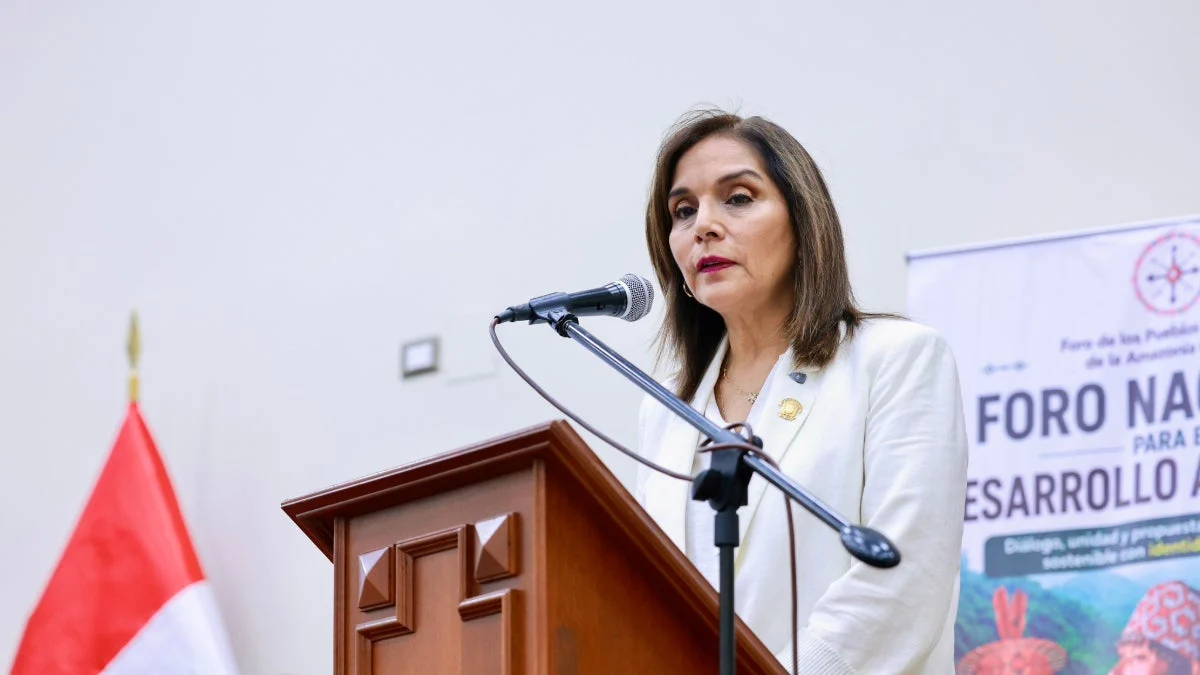
The decision was publicly verified by Roxana Rocha Gallegos, a deputy representing Renovación Popular, who addressed the media following the conclusion of the board’s session. Rocha Gallegos emphasized that the composition reflects a consensus aimed at fostering transparency, though she acknowledged that the path to this agreement was paved with complex negotiations between the various benches.
Chronology of Legislative Developments
The road to this week’s announcement has been marked by a series of events that underscored the urgency of establishing a functional Ethics Commission.
- Early August: Public reports regarding alleged administrative irregularities and potential ethical breaches involving various congresspeople—most notably the case of Catherin Palomino—began to dominate the political agenda. These incidents sparked public outcry and demands for a robust parliamentary response.
- August 10: Following reports of the theft of state assets from congressional offices, the pressure intensified on leadership to solidify the Ethics Commission’s structure to handle such cases.
- August 11: The Junta de Portavoces convened to resolve the impasse. While the Ethics Commission leadership was successfully negotiated, the broader question of standing committees remained unresolved.
- August 12 (Scheduled): A follow-up session is set for 11:00 AM to address the remaining gaps in committee assignments, reflecting the ongoing struggle to align the interests of diverse political factions.
Reinstating In-Person Governance
A critical outcome of the latest session is the formal mandate that all plenary sessions and commission meetings return to a strictly in-person format. This decision signals a departure from the hybrid and remote protocols that were adopted during the pandemic era.
According to Deputy Roxana Rocha Gallegos, the decision to prioritize physical attendance was a collective agreement among the spokespersons. "One of the first agreements is that we are going to carry out the representation week this month, from August 24 to 28. A second agreement confirmed the Ethics Commission leadership… A third agreement is that, as a general rule, in-person attendance will be required in all plenary sessions," she stated.
The move to mandate in-person sessions is being viewed by political analysts as an attempt to restore the "gravity" of the legislative process and ensure more direct accountability among members of the Chamber.
Implications: A Looming Conflict Over Committee Distribution
Despite the successful formation of the Ethics Commission, the broader legislative agenda faces potential bottlenecks. The Junta de Portavoces was forced to suspend its deliberations regarding the distribution of other standing committees, as the major political blocs have yet to reach a consensus on their respective portfolios.
The friction is primarily driven by the competition for control over high-impact committees, such as the Budget and Constitutional Committees, which hold significant sway over the national agenda. Political insiders suggest that smaller parties are leveraging their influence to ensure they are not marginalized in the distribution process, leading to the current deadlock.
The meeting scheduled for Wednesday, August 12, is expected to be a litmus test for the Chamber’s leadership. If a consensus is not reached, the administrative paralysis could delay the introduction of critical legislation, including the upcoming fiscal budget and pending social reforms.
Supporting Data and Context
The Ethics Commission is currently under extreme pressure to address several high-profile cases. Among the most cited is the inquiry into Catherin Palomino, which has become a focal point for critics who argue that the legislative branch has been slow to police its own.
Furthermore, the recent reports of theft within congressional offices—specifically involving members of the Obras party—have created a unique irony: the party now tasked with enforcing ethics within the chamber is simultaneously addressing internal security and conduct issues. Analysts suggest that the success of Heber López Letona will depend on his ability to maintain a wall of impartiality between his party’s administrative concerns and the commission’s investigative mandate.
The composition of the commission is not merely symbolic; it represents the political capital of the parties involved. By holding the presidency, the Partido Cívico Obras gains the power to set the investigation schedule, define the scope of inquiries, and manage the flow of information regarding pending cases.
Official Responses and Political Analysis
The reaction from the political spectrum has been mixed. Supporters of the new arrangement argue that it provides a fresh start for the commission, which had been criticized for stagnation. Conversely, opposition members have expressed caution, noting that the influence of the Partido Cívico Obras must be monitored closely to ensure that the Ethics Commission does not become a tool for political retribution or, conversely, a shield for allies.
"The integrity of the Chamber is at stake," said one political consultant based in the capital. "The return to in-person sessions is a positive step, as it forces members to engage directly with their peers and the public, but the real test is whether the Ethics Commission can move past partisan lines to deliver justice in the cases currently pending before it."
As the Chamber of Deputies prepares for the August 24-28 representation week, the focus will shift from administrative restructuring to the substantive work of the commissions. The success of this transition will depend heavily on the outcomes of the August 12 meeting and the ability of the Board of Spokespersons to finalize the committee landscape.
Conclusion: A Delicate Balance
The Chamber of Deputies stands at a crossroads. The resolution regarding the Ethics Commission is a necessary, though incomplete, step toward restoring institutional functionality. With the return of mandatory in-person plenary sessions, the legislative body is attempting to regain public trust.
However, the lingering deadlock over the remaining committees serves as a reminder of the deep-seated political divisions that continue to hamper progress. Whether the Chamber can successfully pivot from internal administrative disputes to addressing the urgent needs of the nation remains the central question for the coming weeks. As August progresses, the eyes of the public and the media will remain fixed on the Chamber’s ability to resolve these internal conflicts and return to its primary mandate: the creation and oversight of national policy.