Introduction: A Viral Controversy Sparks Regulatory Scrutiny
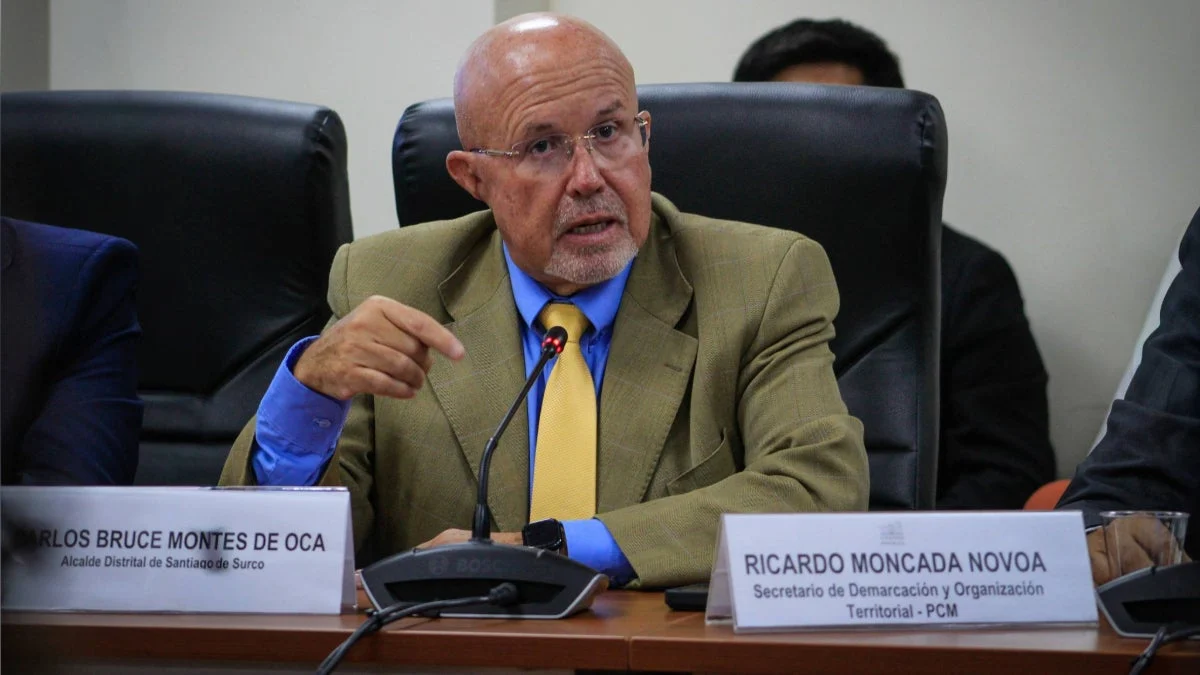
The landscape of municipal governance in Lima, Peru, has been shaken by a viral video that has triggered both a firestorm of public criticism and an official labor investigation. The Superintendencia Nacional de Fiscalización Laboral (Sunafil), Peru’s national labor inspection authority, has officially initiated an inquiry into the district of Santiago de Surco. The investigation centers on a disturbing video clip featuring the district’s mayor, Carlos Bruce, discharging a non-lethal electrical weapon—commonly known as a Taser—at one of his own advisors, Arturo Bobbio Carranza, within the confines of a municipal office.
The incident, which surfaced on social media platforms, shows the advisor collapsing to the ground after being struck by the projectile. While the administration claims the event was a harmless demonstration, labor authorities are now tasked with determining if the act constitutes a violation of workplace safety protocols and fundamental labor rights.
The Chronology of the Incident
The Viral Spark
The controversy began when a short video snippet began circulating on various social media platforms, including X (formerly Twitter) and Facebook. In the footage, Mayor Carlos Bruce is seen handling a Taser device. He aims the weapon at Arturo Bobbio Carranza, his advisor, and fires. Upon impact, Bobbio visibly loses his balance and falls to the floor, illustrating the immediate physiological impact of the device.
The Immediate Public Reaction
The release of the video prompted widespread shock and condemnation from both the public and political observers. Many users questioned the judgment of a public official using potentially dangerous equipment on a subordinate, regardless of the stated "voluntary" nature of the act. The optics of a superior firing a weapon—even a non-lethal one—at an employee raised immediate questions regarding the power dynamics within the Surco municipal government and the potential for workplace harassment or abuse of authority.
The Regulatory Intervention
Responding to the public outcry and the potential implications for labor safety standards, the Intendencia de Lima Metropolitana (a regional branch of Sunafil) acted swiftly. On May 21, the agency issued an official statement via its social media channels confirming that an inspection order had been generated. The goal of this inspection is to verify whether the incident breached Peruvian labor regulations, specifically those governing the physical integrity and safety of employees in the workplace.
Supporting Data: The Context of Non-Lethal Weapons in Surco
To understand the backdrop of this incident, it is necessary to examine the recent policy shift in the district of Santiago de Surco. Just one week prior to the incident, Surco made headlines by becoming the first district in Peru to officially equip its municipal security force (Serenazgo) with advanced electrical weapons.
The Deployment of Taser 10 Units
The municipal government, under Mayor Bruce’s leadership, procured 150 units of the "Taser 10" model. These devices, alongside newly implemented body-worn cameras, were intended to provide Serenazgo personnel with a middle-ground option for de-escalating conflicts without resorting to lethal force. The municipality framed the procurement as a necessary modernization of local security, arguing that the Taser 10 allows officers to neutralize aggressive individuals while minimizing the risk of permanent injury.
The "Test" Narrative
According to the administration, the video in question was not an act of workplace violence, but rather an informal and "out of context" demonstration of the equipment’s efficacy. The administration asserts that the testing was part of a broader effort to ensure the municipal leadership understood the capabilities of the tools they were providing to their security staff.
Official Responses and Justifications
The Defense by Mayor Carlos Bruce
In the wake of the intense backlash, Mayor Carlos Bruce took to his social media platforms to address the incident. He described the viral video as an "edited extract" that lacked the necessary context. Bruce stated:
"The images spread correspond to an edited extract, taken out of context, from a dynamic carried out in a private environment and among people of mutual trust. While we were observing the devices, simulations were performed that were not real, and the participation of those present was completely voluntary. At no point was there any situation of real risk or major consequences."
Bruce’s defense relies heavily on the premise of "voluntary participation" and the claim that the incident was not a workplace confrontation, but an experimental simulation conducted by consenting adults.
The Stance of Arturo Bobbio Carranza
The advisor in the video, Arturo Bobbio Carranza, has been equally vocal in his defense of the Mayor. Bobbio characterized the incident as a dry run for a planned "live journalistic" demonstration that was intended to showcase the technology to the public.
Bobbio’s response was particularly combative toward the critics of the video. He questioned the motives of those who leaked the footage, suggesting the involvement of "dark and criminal characters" who he claimed are utilizing Artificial Intelligence and defamation campaigns to discredit his reputation.
Bobbio further reinforced his belief in the equipment by asserting his willingness to endure even more such tests, stating that he would "receive a thousand electrical shocks" if that is what it takes to prove that these devices are essential tools for protection. He argues that the controversy is an attempt by political detractors to undermine the municipality’s security initiatives.
Implications: The Legal and Ethical Battlefield
The investigation by Sunafil represents a significant legal hurdle for the Surco municipal administration. The case brings several critical questions to the forefront of Peruvian labor law.
1. The Definition of Workplace Safety
Sunafil’s investigation will likely focus on whether the act of shooting a Taser at an employee—regardless of consent—constitutes a breach of the employer’s duty to provide a safe and professional environment. Labor laws in Peru are stringent regarding the physical well-being of workers. Even in scenarios where an employee might "consent" to a dangerous act, the law often places the onus on the employer to prevent hazardous conduct.
2. The Abuse of Authority
The power dynamic between a mayor and his advisor is significant. Legal experts are debating whether an advisor can truly provide "voluntary" consent to be used as a human test subject for a weapon. The investigation will need to determine if there was any coercive pressure applied to Bobbio to participate in the "demonstration," which would fundamentally alter the legal interpretation of the event.
3. Public Trust and Municipal Governance
Beyond the legal repercussions, the incident has had a tangible effect on the public image of the Surco municipality. The use of non-lethal weapons by Serenazgo was already a subject of national debate in Peru. By involving the Mayor directly in a physical test of these weapons, the administration has inadvertently turned a policy debate into a scandal of personal judgment.
The public perception of the Taser program is now intrinsically linked to the viral video. Critics argue that if the municipal leadership treats these weapons as toys for office simulations, it raises red flags regarding the training and oversight protocols that will be applied to the rank-and-file Serenazgo officers who will be carrying them on the streets.
4. Potential Precedents
If Sunafil finds that the municipality violated safety regulations, the case could set a significant precedent for how local governments in Peru manage their personnel and safety equipment. It may lead to more rigorous oversight of the "testing" phase of municipal equipment and potentially stricter regulations on how non-lethal weapons are handled by non-security personnel.
Conclusion
The incident in Santiago de Surco has morphed from a simple municipal security announcement into a complex labor law inquiry. While Mayor Carlos Bruce and his advisor Arturo Bobbio Carranza maintain that the viral video was a harmless, voluntary simulation intended to demonstrate the utility of Taser 10 devices, the national labor authority, Sunafil, is taking a much sterner view.
As the inspection moves forward, the focus will remain on whether the administrative leadership of Surco upheld the standards of workplace safety required by law. Regardless of the final outcome of the investigation, the event serves as a stark reminder of the intersection between political theater, the procurement of new security technologies, and the ever-present requirement for professional conduct in the public sector. The citizens of Lima and the rest of Peru will be watching closely to see if this incident results in disciplinary action or if it remains a cautionary tale of the risks inherent in mixing administrative leadership with the testing of potentially dangerous hardware.