In the heat of an electoral campaign, political discourse often shifts from formal, written proposals to reactive promises made during televised interviews. A recent controversy involving Luis Carranza, former Minister of Economy and a key member of the technical team for the political party Fuerza Popular (FP), has brought this discrepancy to the forefront. During a high-profile television interview, Carranza made a definitive claim regarding the party’s stance on the so-called "pro-crime" laws—a collection of legislative measures criticized for hindering the fight against organized crime. However, a rigorous analysis by the AmaLlulla fact-checking network reveals that this claim is factually incorrect.
The Core Discrepancy: What Was Said vs. What Is Written
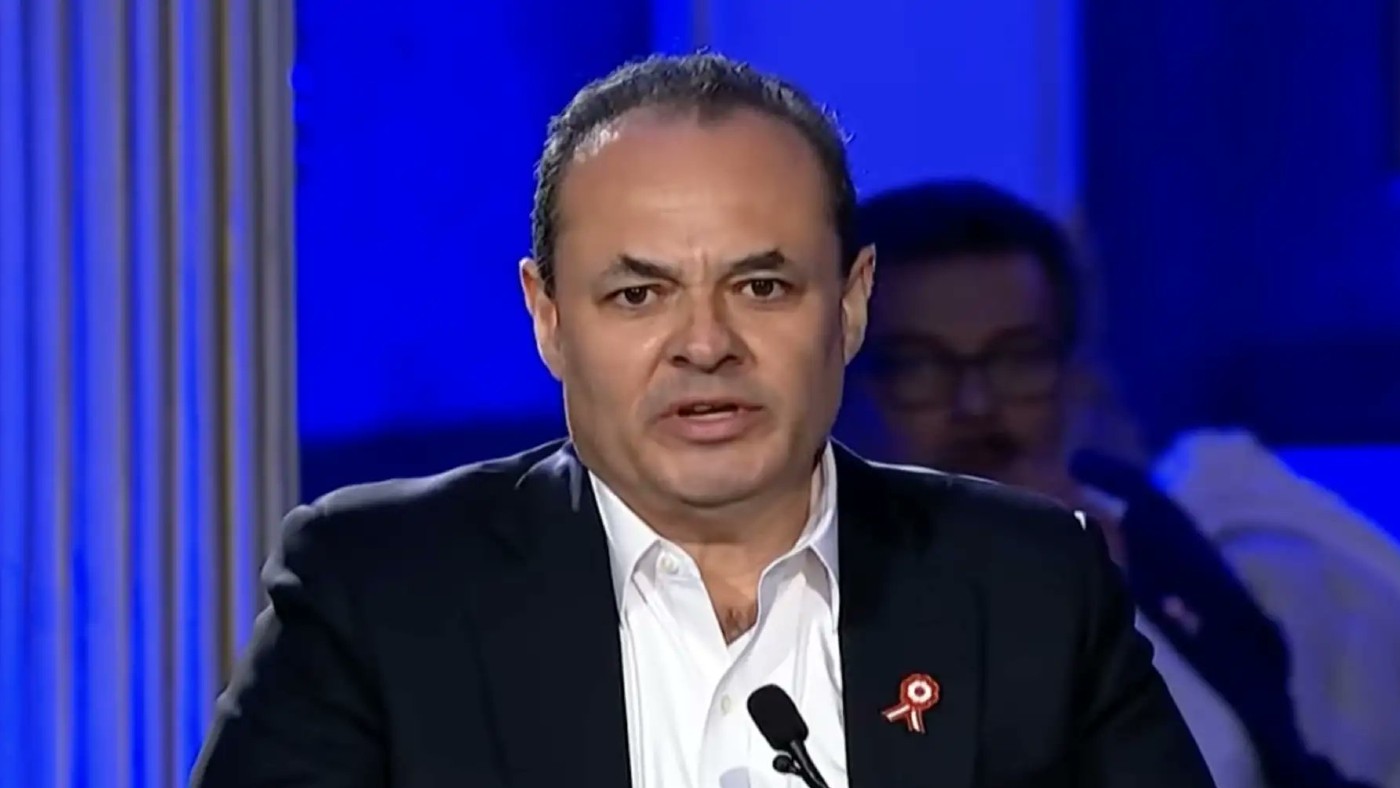
The controversy began when Carranza was directly questioned by an interviewer about whether his party would be willing to review or propose the revision of the controversial "pro-crime" laws should they win the upcoming general elections.
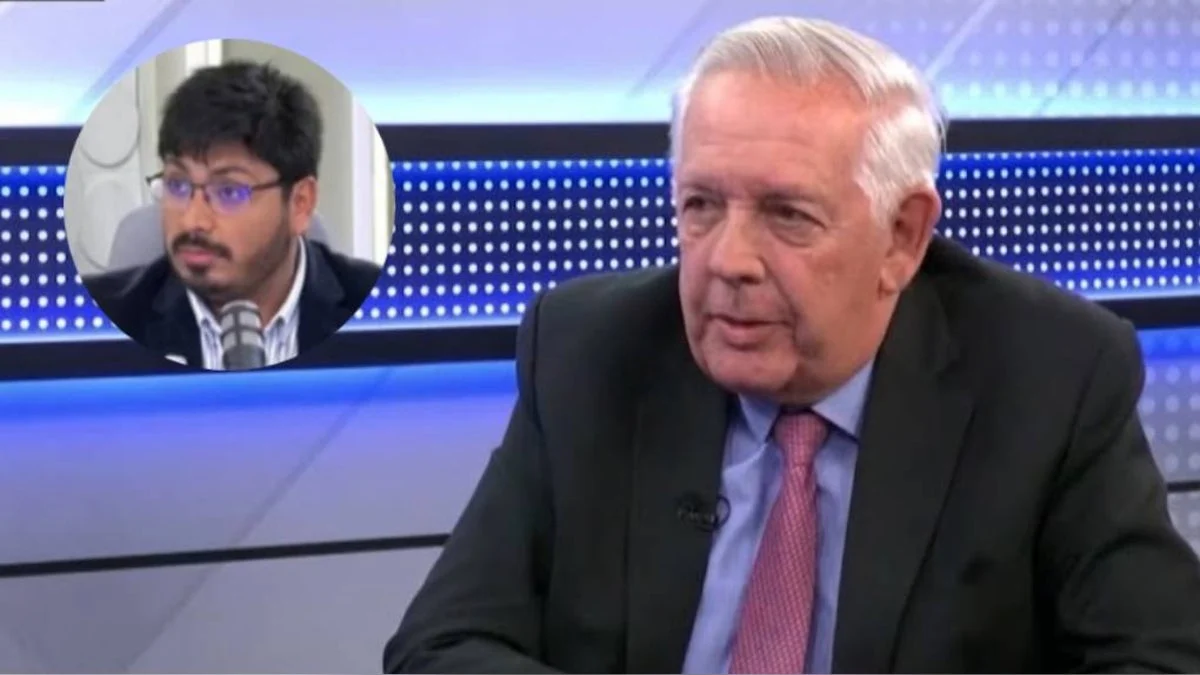
Carranza’s response was emphatic: "The problem of insecurity in the country began to grow very strongly in 2022… Beyond the laws themselves, I believe this country needs to strengthen its police forces and significantly improve the Prosecutor’s Office and the Judiciary system. If the laws need to be reviewed, they will be reviewed."
When pressed further by the interviewer, who sought a clear confirmation of whether this commitment existed in the party’s official platform, Carranza insisted: "The answer is emphatic. It is in the government program of Fuerza Popular."
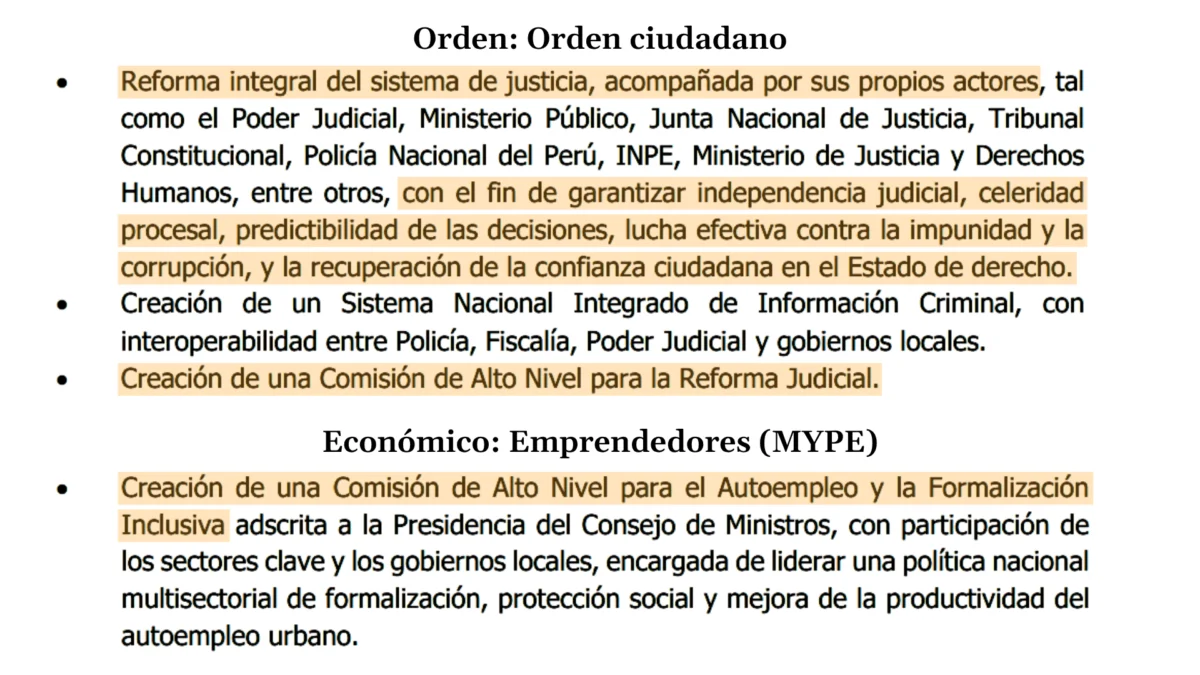
Contrary to the former minister’s assertion, an exhaustive review of the party’s official government plan, titled "Perú con Orden" (Peru with Order) and registered with the National Jury of Elections (JNE), yields no mention of the "pro-crime" laws. The document focuses on broad institutional reforms but remains silent on the specific legislative rollback of the norms approved by the Congress between 2021 and 2026.
Chronology of the "Pro-Crime" Debate
To understand the weight of this claim, one must look at the timeline of the legislative and political conflict surrounding these laws:
- 2021–2026 (Congressional Period): The Peruvian Congress approves a series of legislative measures concerning the penal system and criminal procedure. Over time, these laws face mounting criticism from legal experts and justice institutions.
- January 14, 2025: The Public Ministry (Fiscalía) publishes an official graphic on social media, identifying at least six laws that "affect the fight against crime and the pursuit of justice," labeling them a "setback in the defense of citizens’ rights."
- Ongoing (The CAL Initiative): The Lima Bar Association (CAL) submits a legislative project to Parliament seeking the repeal of several of these norms, arguing they protect organized crime and undermine the Rule of Law.
- May 31, 2026: Following a presidential debate, candidate Keiko Fujimori mentions the potential creation of a "high-level commission" to evaluate these laws, marking the first time the leadership suggests such a review outside of the written party platform.
- Current Date: Despite these public statements, the AmaLlulla verification confirms that no formal amendment or policy document has been integrated into the Fuerza Popular government plan to reflect this intent.
Supporting Data: Defining the "Pro-Crime" Laws
While there is no formal legal definition for "pro-crime" laws, the term has gained traction in public discourse to describe specific legislative acts that observers believe hinder judicial efficacy. Both the Public Ministry and the Lima Bar Association have identified a subset of these laws as particularly damaging.
Key among these is Law 32107, which limits the Public Ministry’s ability to act in cases involving human rights violations that have already received final sentencing. Another frequently cited example is Law 31990, which significantly shortens the timeframes for verifying information provided by "effective collaborators" (informants), a tool essential for dismantling criminal networks.
The AmaLlulla network analyzed 11 such laws identified by these institutions. The findings suggest that the legislative framework currently in place creates a bottleneck for prosecutors and judges, effectively weakening the state’s capacity to confront systemic corruption and organized violence. By claiming that their government plan addresses these specific laws, Carranza attempted to align Fuerza Popular with the growing public demand for legal reform—a claim that is not supported by the party’s own literature.
Official Responses and Political Maneuvering
The discrepancy between Carranza’s statements and the written plan suggests a "moving target" strategy, where candidates make promises during interviews to appease public opinion without committing to them in their formal, legally binding documents.
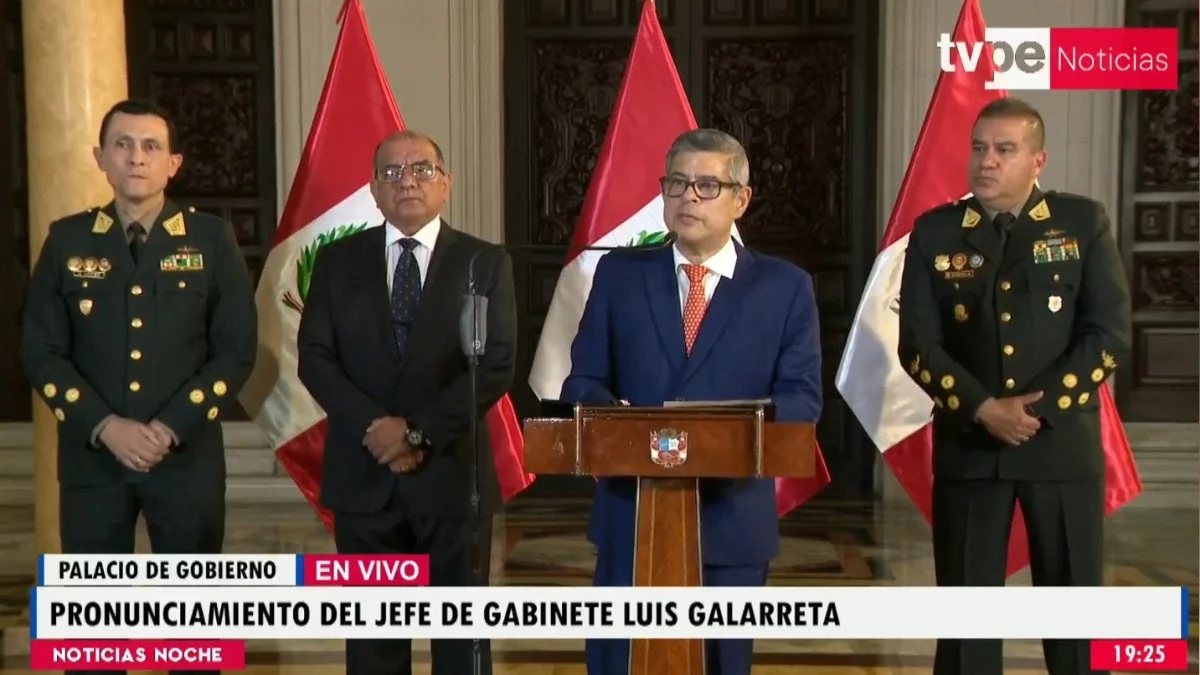
When pressed for clarification, Marco Vinelli, the head of Fuerza Popular’s government plan, attempted to bridge the gap. He argued that the party is "detailing more things that are in the plan" and insisted that if a request for review is made, Keiko Fujimori’s proposed "non-political high-level commission" would handle the evaluation. According to Vinelli, the conclusions of this commission would be adopted in their entirety and presented to the legislature.
However, the official document itself mentions only two high-level commissions: one for "Judicial Reform" and one for "Self-Employment and Inclusive Formalization." Neither commission is tasked with the specific mandate of reviewing the "pro-crime" laws. The Judicial Reform commission is described in the plan as being focused on "guaranteeing judicial independence, procedural speed, and the fight against impunity"—a generic set of goals that does not explicitly challenge the controversial laws.

AmaLlulla made several attempts to contact Luis Carranza through the Fuerza Popular press team and the Institute of Government and Public Management at the University of San Martín de Porres. While the office acknowledged the request, no formal response or clarification was provided by the time this analysis was concluded.
Implications for the Electoral Process
The implications of this fact-check are significant for the integrity of the electoral process. Voters rely on government plans to understand the concrete policy direction of a candidate. When representatives like Carranza claim that a specific, high-priority policy is included in their platform, they are signaling a level of commitment that does not currently exist.
1. Transparency and Voter Trust
The failure to include the review of these laws in the written plan, while simultaneously claiming they are there during interviews, creates a "transparency gap." This leads to voter confusion and undermines the credibility of the candidate’s technical team.
2. Legislative Reality
If elected, a president is expected to implement the proposals outlined in their registered government plan. If the "pro-crime" law review is not part of that plan, it may face legal or procedural challenges if the administration attempts to implement it later, as it would not have been part of the original mandate presented to the public.
3. The Role of Independent Verification
As political rhetoric becomes more complex, the role of independent fact-checkers like AmaLlulla becomes vital. By cross-referencing public statements with official documentation, these organizations provide a necessary filter against political opportunism.
In conclusion, the assertion that the Fuerza Popular government plan includes the review of the so-called "pro-crime" laws is, at this stage, false. While party leadership has signaled a willingness to address these laws in public appearances, the formal policy framework of the party remains unchanged. Voters are left to decide whether the verbal assurances of a technical expert hold as much weight as the official, documented commitments of a political party.