Introduction
Lima, a city of over 10 million inhabitants, sits precariously on the "Ring of Fire," a region known for its intense seismic activity. As the capital of Peru, it faces a looming threat: a "mega-earthquake" that experts suggest is statistically overdue. The primary concern is not just the seismic hazard itself, but the structural fragility of the city’s urban landscape.
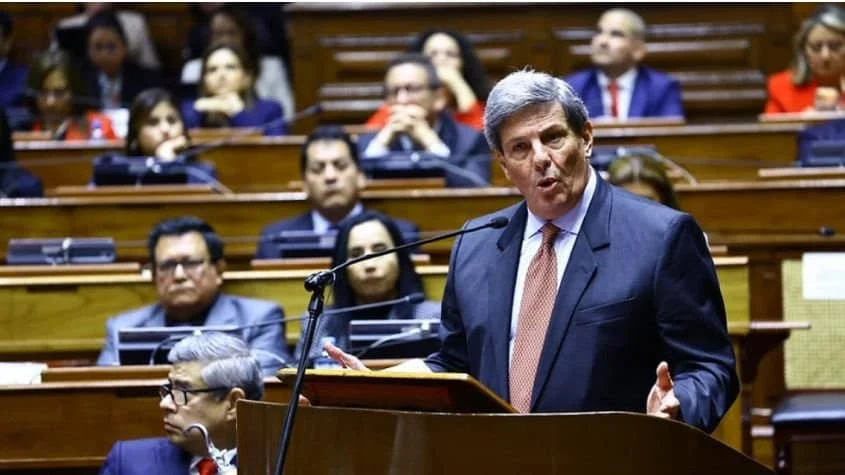
In a recent, in-depth discussion, Ing. Miguel Estrada—a distinguished researcher at the Japan-Peru Center for Earthquake Engineering Research and Disaster Mitigation (CISMID), former Minister of Housing, Construction, and Sanitation, and current Dean of the Faculty of Civil Engineering at the National University of Engineering (UNI)—provided a sobering analysis of Lima’s structural integrity. According to Estrada, the city’s vulnerability is intrinsically linked to a toxic mix of informal construction, lack of technical oversight, substandard materials, and hazardous soil conditions.
Main Facts: The Anatomy of Lima’s Seismic Risk
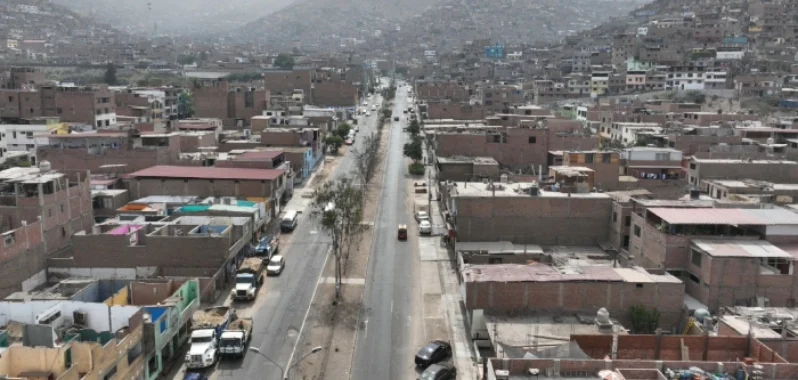
The core of Lima’s vulnerability lies in its history of rapid, unplanned urban expansion. For decades, the demand for housing has outpaced the city’s ability to provide regulated, safe living spaces. This has led to a proliferation of "self-construction," where families build their homes incrementally without the input of architects or structural engineers.
The Myth of "Higher is Safer"
A common misconception is that all tall buildings in Lima are dangerous. Ing. Estrada clarifies this: "High-rise buildings, generally speaking, are not the problem. They are typically designed by professionals, follow building codes, and undergo rigorous supervision. Their vulnerability is relatively low compared to the low-rise, informal residential sector."
The real danger, Estrada notes, resides in the ubiquitous residential buildings of two to five stories. In many districts, it is common to see structures reaching up to seven stories, built using "confined masonry"—a system where walls are erected before structural columns and beams are poured. This system, while effective when engineered correctly, becomes a death trap when the building code is ignored, as is frequently the case in self-constructed dwellings that lack proper structural continuity.
Chronology: A History of Seismic Neglect
To understand the current crisis, one must look at the timeline of urban development in Peru:
- 1966–1974: The implementation of the first formal seismic building codes in Peru. However, these codes rarely reached the informal settlements springing up on the city’s periphery.
- 1990s–2000s: A period of massive, unchecked migration to Lima. The "pueblos jóvenes" (young towns) expanded rapidly, with infrastructure often built on unstable slopes or sandy soils without geotechnical studies.
- 2007 (Pisco Earthquake): A magnitude 8.0 earthquake struck the central coast of Peru. It served as a violent wake-up call, exposing the failure of adobe and poorly constructed brick structures.
- 2010s–Present: Despite updated regulations (such as the E.030 Seismic Design Code), the informal sector continues to build without permits, ignoring seismic safety margins and utilizing materials of questionable quality.
Supporting Data: Why Soil and Material Matter
Seismic risk is not solely about the structure; it is about the ground upon which the structure rests. Lima’s geography is diverse, ranging from the rocky cliffs of the coast to the alluvial, sandy soils of the valleys.

Soil Amplification
Ing. Estrada emphasizes that certain districts, particularly those located on soft, sandy soil or reclaimed land, are prone to "soil amplification." During an earthquake, these soils can amplify seismic waves, causing significantly more damage than the same tremor would cause on firmer, rocky ground. Buildings that are not anchored into the bedrock or that lack a deep, engineered foundation face a high risk of liquefaction or structural collapse.
The "Informal" Construction Deficit
Data from various engineering bodies suggests that over 60% of housing in Lima is built informally. This involves:
- Non-engineered foundations: Failure to reach load-bearing soil layers.
- Structural "Add-ons": Adding extra floors to a house that was originally designed for only one or two levels, overloading the support system.
- Lack of Confinement: Using bricks without the necessary structural steel reinforcement or proper concrete columns, turning the walls into projectiles during a tremor.
Official Responses and Policy Failures
The Peruvian government has struggled to bridge the gap between building codes and reality. While the Ministry of Housing, Construction, and Sanitation has created initiatives like Techo Propio and Mivivienda to incentivize formal housing, these programs have not been able to scale fast enough to meet the demand of the lower-income population.
Regulatory Hurdles
One of the major criticisms from experts like Estrada is the bureaucratic hurdle associated with formalizing construction. For a low-income family, obtaining a building permit is often too expensive and time-consuming. Consequently, the incentive to bypass the law remains high.
The Need for "Structural Retrofitting"
The official response must shift from purely "new construction" policies to "retrofitting" existing ones. The government, in partnership with academic institutions like UNI, has proposed pilot programs for the reinforcement of existing informal homes—adding steel bracing or structural columns to existing walls. However, these programs lack the funding and political urgency required to address the scale of the problem.
Implications: The Looming Human Cost
The implications of a major seismic event in Lima are catastrophic. If a magnitude 8.5+ earthquake were to occur, the primary casualty count would likely stem from the collapse of these informal residential units.
Urban Chaos and Emergency Response
Beyond the immediate structural collapse, the urban design of many neighborhoods in Lima—characterized by narrow, winding streets and high-density housing—presents a nightmare for emergency responders.

- Access: Fire trucks and ambulances would struggle to enter neighborhoods where the streets are blocked by rubble or illegal extensions.
- Utility Failure: Water, sewage, and electrical lines in informal areas are often poorly integrated, leading to secondary disasters such as fires (from ruptured gas lines) and disease (from broken sewage pipes).
The Economic Toll
The economic impact on a city that contributes nearly 50% of the national GDP would be paralyzing. A significant portion of the workforce resides in these vulnerable areas; the loss of their homes would lead to a humanitarian crisis that would require decades to rectify.
Conclusion: A Call to Action
Ing. Miguel Estrada’s analysis serves as both a scientific assessment and an urgent warning. The vulnerability of Lima is not an "act of God"; it is the cumulative result of decades of policy inaction, lack of technical education among builders, and the prioritization of speed over safety.
To mitigate this, Peru must prioritize three key areas:
- Technical Decentralization: Bringing engineering oversight to the neighborhood level, making it easier for citizens to access professional blueprints and supervision.
- Structural Audits: Identifying and retrofitting the most vulnerable critical infrastructure—schools, hospitals, and high-density residential blocks.
- Public Education: Cultivating a culture of seismic awareness where citizens understand that a home is not just a place to live, but a structural system that requires professional maintenance and compliance with safety standards.
As the city continues to grow, the clock is ticking. The question is not if the earth will move, but whether Lima will be prepared to withstand the impact, or whether the current state of informality will lead to an avoidable tragedy.
For more in-depth insights into structural engineering and urban safety in Peru, read the full interview in the 103rd edition of Peru Construye.