Introduction: A Humanitarian Crisis Unfolds
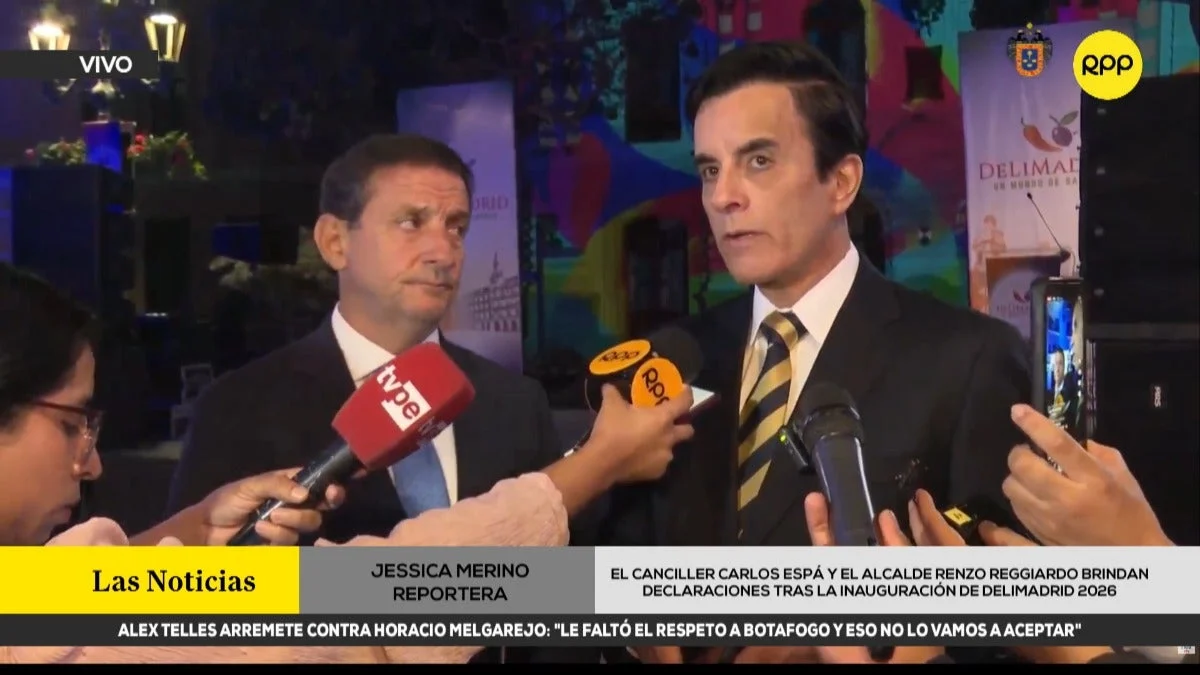
The Peruvian government, through the Ministry of Foreign Affairs, has intensified its diplomatic efforts to locate and repatriate a group of Peruvian citizens who were allegedly lured to Russia under the guise of legitimate employment, only to be forcibly funneled into the ongoing conflict between Russia and Ukraine. Foreign Minister Carlos Espá confirmed that the administration is exerting significant pressure on Russian diplomatic authorities to secure information regarding the whereabouts and status of these individuals, many of whom have been reported missing by their families.
The situation, which has sparked outrage across Peru, involves a sophisticated network of human trafficking and recruitment that preyed upon vulnerable citizens with promises of high-paying jobs abroad. Instead of the promised roles in construction or logistics, these men were reportedly coerced into combat roles on the front lines, leaving their families in a state of desperation and uncertainty.
The Genesis of the Crisis: Falsified Promises and Recruitment
The recruitment operation appears to have targeted individuals in various regions of Peru, including Cusco, where economic hardship often makes workers susceptible to lucrative overseas employment offers. Reports indicate that these recruitment schemes were orchestrated by intermediaries who utilized social media platforms and local contacts to promise stable, high-paying work in Russia.
The Mechanism of Deception
The victims were allegedly offered contracts that suggested employment in non-combat support roles. However, upon arrival in Russia, the reality was drastically different. According to testimony from families and initial investigations, the recruits had their passports confiscated and were subjected to intense psychological and physical pressure to sign military contracts. Those who refused were threatened with imprisonment or violence. The transition from civilian "worker" to "combatant" was often swift and involuntary, placing these men in the heart of one of the most dangerous conflict zones in the world.
Chronology of Government Intervention
The Peruvian state’s response to this crisis has been a multi-layered diplomatic and legal operation.
- Initial Reports (Early 2024): Families of the missing began reaching out to local authorities and the media, reporting that their relatives had stopped communicating or had sent distress messages from within Russia.
- Diplomatic Escalation (Mid-2024): The Ministry of Foreign Affairs, led by Minister Carlos Espá, formally recognized the gravity of the situation. A specialized committee was formed, involving the Public Prosecutor’s Office and the Ministry of the Interior, to investigate the human trafficking networks.
- Direct Engagement: The Peruvian government summoned the Russian Ambassador and Consul to Lima for a series of high-level meetings. During these sessions, Peru demanded transparency regarding the status of its citizens.
- Deployment of Diplomatic Envoys: Recognizing the limitations of remote communication, the Peruvian government dispatched an ambassador directly to Russia to conduct on-the-ground inquiries and liaise with Russian state authorities.
- Ongoing Advocacy: To date, the Foreign Ministry has held approximately 30 direct meetings with the families of the missing, providing a channel for information sharing and emotional support.
Supporting Data: The Scope of the Issue
The statistics provided by the Ministry of Foreign Affairs underscore the success of initial rescue efforts, even as the fate of others remains unknown.
- Repatriations Secured: The government has successfully facilitated the return of 28 Peruvian citizens who were identified in Russia and chose to return home.
- The "Third Country" Route: Two additional citizens who escaped the conflict chose to remain in Europe rather than return to Peru, highlighting the fear and instability these individuals faced.
- The Missing: The exact number of those still held in Russia remains undisclosed by Moscow, despite repeated requests. This lack of data is the primary point of contention between the two nations.
Official Responses and Diplomatic Friction
Foreign Minister Carlos Espá has been vocal in his frustration regarding the lack of cooperation from the Russian government. In recent statements to the press, Espá emphasized the humanitarian imperative:
"We have asked the Russian government to provide the information we have been requesting, which the families demand, and to facilitate the repatriation of those Peruvians who may have fallen in Russia."
The Ministry of Foreign Affairs has characterized the situation as a clear violation of the rights of Peruvian nationals. The government is not only seeking the living but also demanding the recovery and repatriation of the remains of those who have died in the conflict, a process complicated by the ongoing hostilities and the Russian government’s refusal to acknowledge the recruitment of foreign nationals for their war effort.
The Role of the Inter-Agency Committee
The task force established by the Peruvian government serves as a hub for both domestic investigation and international advocacy. By integrating the Ministry of the Interior and the Public Prosecutor’s Office, the government aims to dismantle the criminal networks operating within Peru that facilitate this trafficking. This dual-pronged approach—prosecuting recruiters at home while applying diplomatic pressure abroad—is seen as the most viable path to resolving the crisis.
Implications: A Broader Geopolitical Challenge
The recruitment of foreign nationals for the war in Ukraine is not a phenomenon unique to Peru; similar reports have emerged from other nations in the Global South. However, the Peruvian case highlights the profound vulnerability of citizens in the face of transnational organized crime and geopolitical instability.
Violation of Sovereignty and Human Rights
The involuntary recruitment of Peruvian citizens into a foreign conflict is a grave breach of human rights. It raises significant questions regarding international law, the obligations of the host country (Russia) to protect foreign nationals, and the responsibility of the Peruvian state to prevent its citizens from being exploited in such a manner.
The Future of Bilateral Relations
The persistent refusal of the Russian government to provide transparent data is placing a significant strain on bilateral relations. For Peru, the issue is not just about individuals, but about the fundamental protection of its citizens’ rights abroad. If Moscow continues to stonewall the requests for information, the Peruvian government may be forced to escalate the matter to international human rights bodies, such as the United Nations or the Inter-American Commission on Human Rights.
Conclusion: A Call for Transparency
As the investigation continues, the focus remains on the families who wait for word on their loved ones. The Peruvian government has reaffirmed its commitment to the "full investigation" of these cases, promising that no effort will be spared in identifying those who were deceived and ensuring their safe return.
The case serves as a somber reminder of the dangers posed by predatory recruitment networks in an era of global conflict. For the families, the wait continues, and for the Peruvian state, the pressure on Russia to honor its diplomatic obligations is now more critical than ever. The government’s resolve, as expressed by Minister Espá, remains firm: until the truth is known and the survivors are home, the search will continue.
Summary of Key Demands:
- Full Disclosure: Immediate provision of the names and status of all Peruvian citizens currently in Russian custody or military service.
- Access: Diplomatic access to the locations where these individuals are being held.
- Humanitarian Repatriation: An expedited process for the return of all living recruits and the respectful return of the remains of those deceased.
- Justice: Continued cooperation between Peruvian and international authorities to prosecute the criminal networks responsible for this trafficking operation.