Executive Summary: A Structural Shift in Disaster Management
The Peruvian government, under the leadership of the Presidency of the Council of Ministers (PCM), has officially unveiled a strategic legislative roadmap designed to bolster the nation’s resilience against the looming threats of climate volatility, specifically the El Niño phenomenon. Central to this proposal is a comprehensive request for legislative faculties, which includes a package of 25 targeted measures—representing nearly 40% of the total 66 requests submitted to the Chamber of Deputies.
These measures are not merely administrative adjustments; they represent a fundamental pivot in how the State intends to confront environmental crises. By focusing on the removal of bureaucratic bottlenecks, strengthening sectoral resilience, and ensuring immediate, agile support for affected populations, the government seeks to transform the current emergency management paradigm from reactive to proactive.
The Four Pillars of Legislative Reform
To understand the scope of the government’s proposal, one must analyze the four distinct pillars upon which these 25 measures are constructed:
1. Transversal Habilitation and Bureaucratic Streamlining
The first pillar addresses the persistent systemic delays that often paralyze state action during disasters. The government aims to replace cumbersome, multi-layered procedures with standardized, agile protocols. A key focus here is the acceleration of digital transformation and the implementation of interoperability systems between public entities. By digitizing data sharing, the State aims to ensure that agencies communicate in real-time, reducing the "silo effect" that currently slows down resource allocation and emergency mobilization.
2. Sectoral Resilience and Economic Protection
The second pillar focuses on safeguarding the nation’s productive base. Recognizing that climate events often devastate the agricultural sector, the government proposes the activation of advanced compensation mechanisms, specifically through the Agricultural Insurance and the Guarantee Fund for the Rural Sector. These financial instruments are designed to provide a safety net both before and after catastrophic events, such as severe droughts or excessive flooding, ensuring that farmers can recover their livelihoods without succumbing to total insolvency.

3. Recovery, Habitability, and Infrastructure Security
The third pillar addresses the structural causes of vulnerability. A critical component involves the sanitation of land ownership, ensuring that the State holds the legal and physical capacity to execute urgent infrastructure projects—such as river defenses, irrigation channels, and reservoirs—before the rainy season begins. Furthermore, this pillar includes a commitment to the artisanal fishing sector, proposing new economic safeguards and formalization pathways to protect vulnerable fishing communities from the economic shocks triggered by climate instability.
4. Immediate Emergency Response
The final pillar is perhaps the most critical for public welfare: the acceleration of direct assistance. The proposal grants the National Institute of Civil Defense (INDECI) the authority to distribute aid directly during the initial 15 days of an emergency. This bypasses the typical administrative delays that often leave victims without essential goods during the "golden hours" of a disaster. Additionally, the government seeks to simplify access to the Family Housing Bonus (Bono Familiar Habitacional) and the Emergency Leasing Bonus, providing immediate housing security to families whose homes are destroyed or deemed uninhabitable.
Chronology and the Legislative Path
The path to this proposal follows a long history of institutional struggle against bureaucratic inertia.
- Early 2026: Scientific reports confirmed the increasing probability of an intensified El Niño phenomenon, signaling the need for an urgent government response.
- Mid-2026: Cabinet meetings led by the Presidency of the Council of Ministers (PCM) identified the 66 critical areas where legislative action was required to bypass existing legal roadblocks.
- September 2026: The formal submission of the request for legislative faculties to the Chamber of Deputies.
- Current Status: The proposal is currently under legislative review. Prime Minister Luis Galarreta has underscored the urgency of the matter, citing that current procedures—which can take six to eight months—are incompatible with the unpredictable nature of climate emergencies.
Supporting Data: Why Change is Mandatory
The necessity for this reform is underscored by historical data on state inefficiency. Previous emergency responses have been characterized by fragmented oversight and delayed funding. According to the PCM, the current legislative framework often forces officials to spend more time navigating internal auditing requirements than on the actual construction of preventative infrastructure.
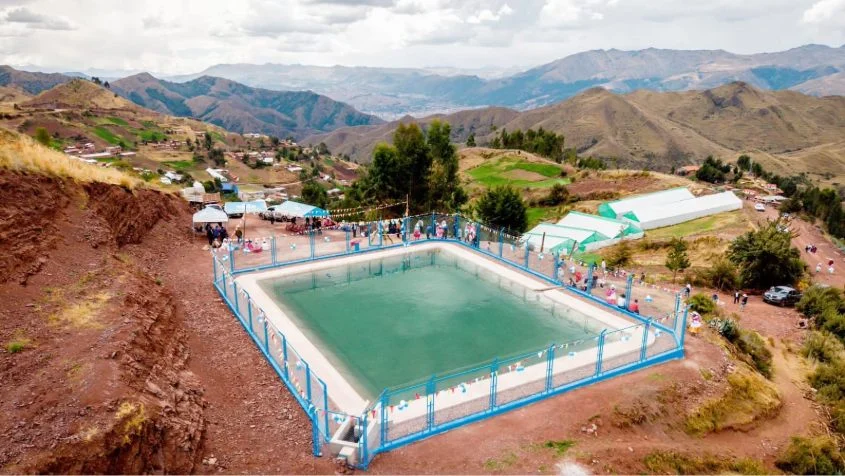
For instance, the recent inauguration of the irrigation system in Conchacalla, Cusco, serves as a local model for the type of regional infrastructure the government wishes to replicate on a national scale. However, the government acknowledges that such projects currently require an excessive number of permits, which often expire or get caught in administrative limbo. By providing the Executive with the power to simplify these processes, the government estimates that the construction time for critical defensive infrastructure could be reduced by up to 40%.

Official Responses and Political Implications
Prime Minister Luis Galarreta has been the primary advocate for these measures, framing them as a necessary tool to overcome "state paralysis." In his recent address, Galarreta remarked, "A standard norm may take between six and eight months to pass, but the needs of the citizens demand immediate, real-time responses. We are asking for the tools to ensure that the State can act at the speed of the disaster, rather than at the speed of the office."
Political analysts suggest that the request for these faculties is a high-stakes move. While the opposition has expressed concerns regarding the breadth of the executive power requested, the government maintains that without these specific legislative adjustments, the national response to the upcoming rainy season will be insufficient.
Long-term Implications for Peru
The success of this legislative package will have profound implications for the future of Peru’s infrastructure and social welfare policies.
Strengthening the Housing Sector
The focus on the "Bono de Arrendamiento" (Leasing Bonus) signifies a shift toward more flexible, market-oriented solutions for disaster victims. By allowing for the rapid deployment of these funds, the government intends to prevent the formation of informal, dangerous settlements that often appear after mass displacement events.
The Role of Technology
The commitment to digitalization is not merely a bureaucratic preference but a strategic necessity. By integrating the databases of the various ministries, the government hopes to create a "National Emergency Dashboard" that tracks the vulnerability of both physical assets and populations in real-time.

Socio-Economic Stability
By prioritizing the agricultural and fishing sectors, the government is attempting to mitigate the inflationary pressures that usually follow environmental disasters. When food supply chains are protected through robust insurance and preemptive infrastructure maintenance, the ripple effects of a climate crisis on the national economy are significantly muted.
Conclusion: A Race Against Time
The proposal presented to the Chamber of Deputies is a test of the government’s ability to prioritize functionality over procedural perfection. As the country faces the impending reality of climate change, the legislative faculties requested by the Executive represent a critical attempt to align the State’s administrative capacity with the urgent demands of the people.
The focus remains clear: through 25 targeted measures, the government aims to ensure that when the next disaster hits, the State is not just a witness to the tragedy, but an active, capable, and efficient force for recovery and resilience. The coming weeks will be decisive as the legislature debates the balance between executive efficiency and democratic oversight, with the safety of millions of citizens hanging in the balance.