Executive Summary: Bridging the Infrastructure Gap
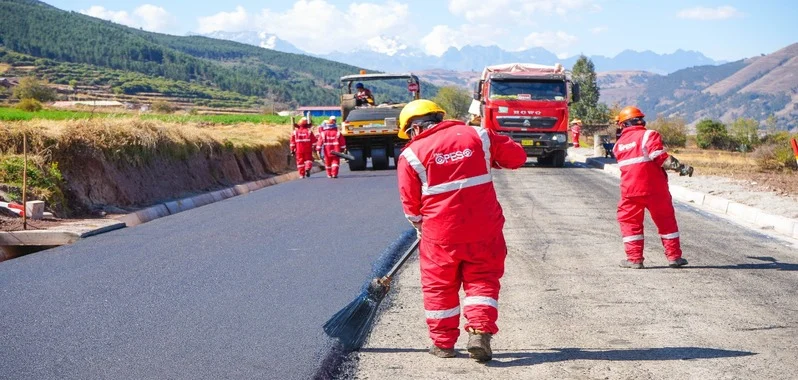
In a decisive move to bolster national connectivity and catalyze economic growth, the Ministry of Transport and Communications (MTC), through the Special Project for National Transport Infrastructure (Provías Nacional), has officially launched a series of high-impact tenders. These projects, structured under the Proregión 2 program, focus on the development of three strategic road corridors spanning the regions of Cajamarca, Huánuco, and Ucayali.
This ambitious infrastructure rollout is set to benefit over 217,000 citizens directly. By intervening in more than 380 kilometers of departmental roads with an investment exceeding S/ 650 million, the Peruvian government aims to resolve longstanding logistical bottlenecks that have historically hampered the competitiveness of the country’s agricultural heartlands.
Chronology of the Initiative: From Planning to Execution
The path to this infrastructure expansion is the culmination of meticulous regional planning and the strategic prioritization of road assets.
- Initial Assessment (Q1-Q2 2026): Provías Nacional conducted a comprehensive diagnostic of the national road network, identifying key "feeder" routes that connect rural agricultural hubs to major arterial highways.
- Program Design (Q2 2026): The framework for Proregión 2 was finalized, focusing on not just road construction, but the long-term conservation and maintenance of the assets to ensure operational sustainability.
- Formal Tendering (September 2026): The MTC officially launched the public procurement processes for the specific corridors. This phase marks the transition from conceptual design to active construction readiness.
- Projected Mobilization (Q4 2026 – Q1 2027): Following the adjudication of contracts, the winning consortia are expected to begin site mobilization and the establishment of base camps, signaling the physical commencement of the works.
Supporting Data: Infrastructure and Investment Breakdown
The scale of the Proregión 2 program is best understood through its granular impact on the specific regions involved. The allocation of resources is strategically divided to maximize socioeconomic returns:
1. The Cajamarca Corridor (Corredor Vial Alimentador n.° 17)
Cajamarca, a region with immense agricultural potential, is the focus of the first major intervention. This project involves the improvement and maintenance of over 94 kilometers of departmental roads.

- Target Provinces: Cajabamba and San Marcos.
- Financial Scope: An investment exceeding S/ 140 million.
- Beneficiaries: Over 77,000 residents will experience improved access to markets, schools, and healthcare facilities.
- Primary Objective: To reduce transit times for agricultural cargo and lower the cost of logistics for local producers.
2. The Huánuco-Ucayali Integration (Corredor Vial Alimentador n.° 23)
This corridor represents a vital link between the Andean highlands of Huánuco and the Amazonian connectivity of Ucayali.
- Scope of Work: Rehabilitation of more than 186 kilometers of road network.
- Financial Scope: A substantial allocation of over S/ 292 million.
- Beneficiaries: 107,029 inhabitants across two provinces.
- Primary Objective: To facilitate the movement of goods between the Sierra and the Selva, creating a more cohesive regional trade bloc.
Official Perspective: The MTC’s Vision for Competitiveness
The Ministry of Transport and Communications (MTC) views these road corridors as the "arteries" of the national economy. According to government spokespersons, the focus of Proregión 2 is not merely to lay asphalt, but to implement a systemic approach to territorial development.
"By investing in these feeder corridors, we are essentially lowering the barriers to entry for thousands of farmers who currently struggle to reach urban markets," an MTC representative noted. "This is about equity. When we improve a road, we increase the value of the land, we decrease the waste of perishable crops, and we integrate isolated populations into the national economy."
Provías Nacional, as the executing agency, has emphasized that these projects adhere to modern standards of climate-resilient engineering, ensuring that the roads can withstand the challenging topographic and weather conditions characteristic of the Cajamarca and Huánuco regions.
Socioeconomic Implications: Beyond Asphalt
The implementation of these three corridors is expected to trigger a ripple effect throughout the regional economies:

Impact on Agricultural Logistics
Peru’s agricultural sector is heavily reliant on timely transport. The current state of many secondary roads results in significant post-harvest losses. The rehabilitation of these 380+ kilometers will directly lead to a decrease in fuel consumption, vehicle maintenance costs, and travel time, effectively increasing the net profit for thousands of smallholder farmers.
Employment and Local Stimulus
The construction phase itself is a massive engine for local employment. The tenders mandate the prioritization of local labor, which will inject millions of soles into the regional economies of Cajamarca, Huánuco, and Ucayali. Furthermore, the presence of construction teams typically boosts demand for local services, including housing, food, and transport, providing a temporary but vital stimulus to these provincial hubs.
Connectivity as a Social Catalyst
For the 217,000 residents identified in the project scope, these roads represent more than just asphalt. They represent the difference between access and exclusion. During emergencies, such as natural disasters or health crises, these road corridors act as lifelines. By ensuring these routes remain paved and well-maintained through the "conservation" aspect of the contracts, the government is creating a more resilient public infrastructure network.
Strategic Context: The Broader Infrastructure Landscape
The launch of the Proregión 2 initiative does not exist in a vacuum. It is part of a larger national strategy to modernize Peru’s logistical backbone.
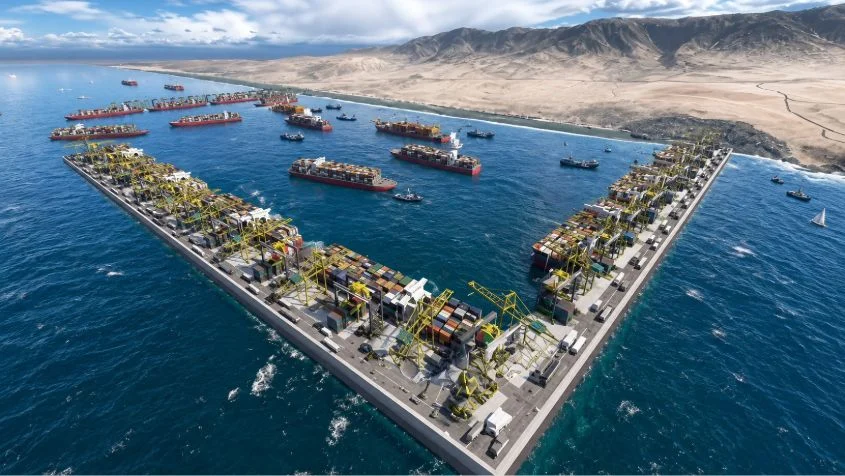
Recent developments, such as the approval of the Master Plan for the Port of Corío, highlight the government’s dual approach: developing world-class port infrastructure (like Corío, which involves an investment exceeding US$ 800 million) while simultaneously building the inland road infrastructure necessary to feed these ports. Without the secondary road corridors—the "feeders"—the large-scale export projects would lack the supply chain efficiency required to compete on the global stage.

The integration of the Proregión 2 road network with upcoming regional port and airport projects is a deliberate strategy to create a seamless, multimodal transportation network across Peru.
Future Outlook: Challenges and Monitoring
While the announcement of the tenders has been met with enthusiasm, stakeholders emphasize that the success of these projects will depend on rigorous oversight. The history of infrastructure in the region has sometimes been marred by project delays and budget overruns.
To mitigate these risks, the MTC has implemented:
- Transparent Bidding Processes: Leveraging digital platforms to ensure competitive and fair adjudication.
- Multiphase Monitoring: Establishing performance indicators that contractors must meet to receive periodic payments.
- Stakeholder Engagement: Encouraging community involvement in the monitoring of the works to ensure quality control at the local level.
As the program moves into its active phase, the MTC remains committed to the principle that "infrastructure is the foundation of development." For the residents of Cajamarca, Huánuco, and Ucayali, the promise of improved connectivity is a significant step forward in closing the developmental gap between the capital and the regions.
Through Proregión 2, the government is not just building roads; it is constructing the physical foundation upon which the future prosperity of these regions will be built. The coming months will be critical as the projects transition from planning to reality, marking a new chapter in Peru’s regional integration efforts.