As the second round of the 2026 presidential elections approaches, the Peruvian electorate is being urged to prepare for their civic obligations. With the date set for June 7, the Oficina Nacional de Procesos Electorales (ONPE) has intensified its communication efforts to ensure citizens understand the financial consequences of non-compliance and the procedural changes regarding polling stations.
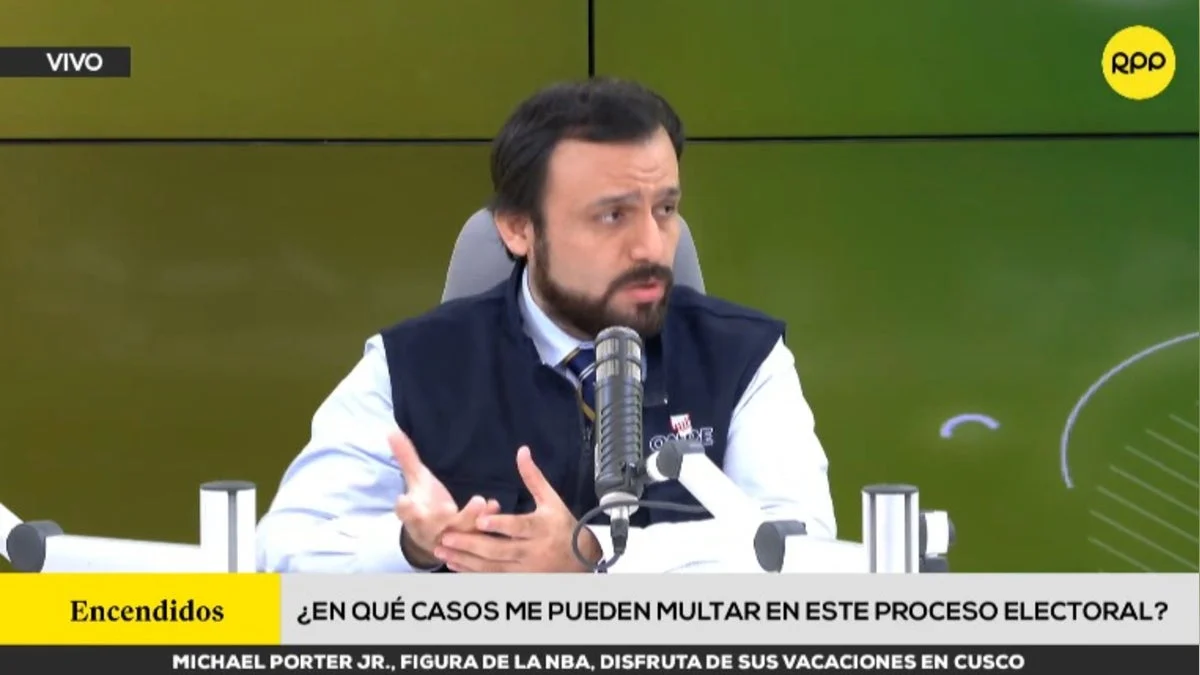
Rafael Arias, the Deputy Manager of Institutional Relations at the ONPE, has issued a series of critical clarifications to prevent confusion, emphasizing that electoral discipline is not merely a formality but a legal requirement with tangible impacts on one’s professional and personal life.
The Financial Reality of Non-Compliance: A Breakdown of Fines
One of the most persistent queries from the public concerns the financial penalties associated with the electoral process. Mr. Arias clarified that, for the purpose of the 2026 electoral cycle, the first and second rounds are treated as distinct events. Consequently, failure to vote or failure to serve as a member of the polling station committee (miembro de mesa) in both rounds results in the accumulation of two separate sets of fines.
Fines for Absenteeism
For the average citizen, the penalty for not showing up to cast a ballot is determined by the socioeconomic classification of their home district. This system is designed to align with the national poverty index, ensuring that penalties remain proportional:
- Non-Poor Districts: Citizens residing in these areas face a penalty of 110 soles.
- Poor Districts (Non-Extreme): For those in areas classified as poor, the fine is reduced to 55 soles.
- Extreme Poverty Districts: For the most vulnerable regions, the penalty is 27.50 soles.
The Obligation of Members of the Polling Station
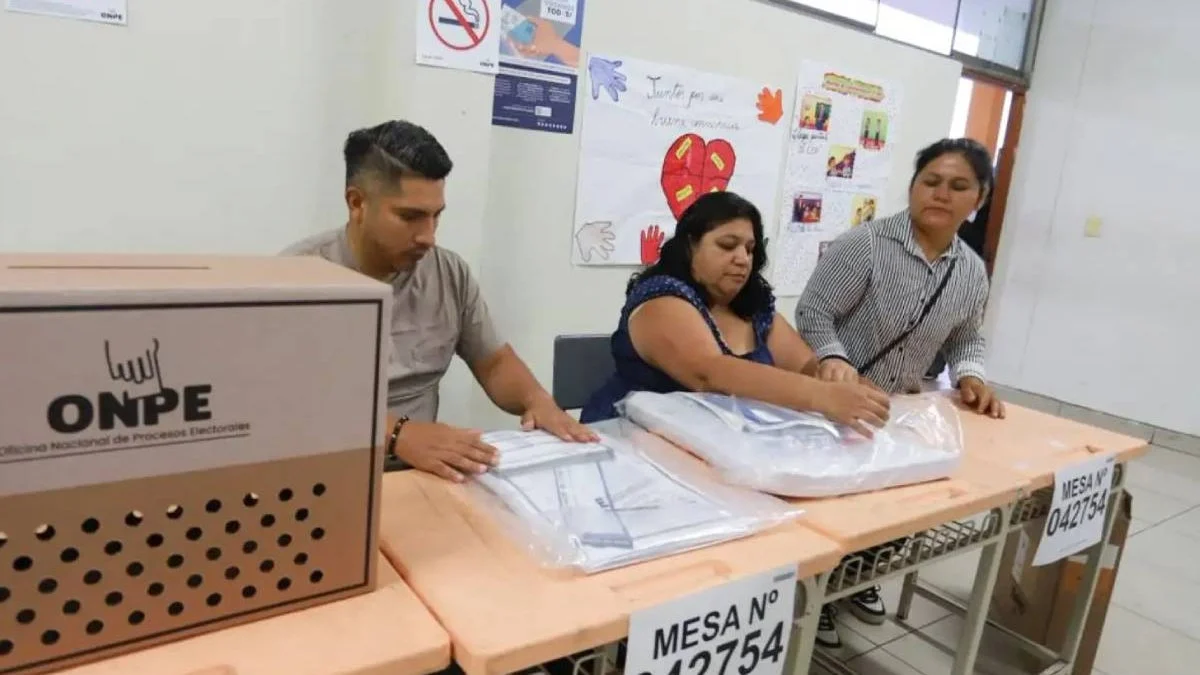
The stakes are significantly higher for those selected as members of the polling station (miembros de mesa). Unlike the sliding scale for general voters, the fine for failing to perform this essential democratic duty is fixed at 275 soles.
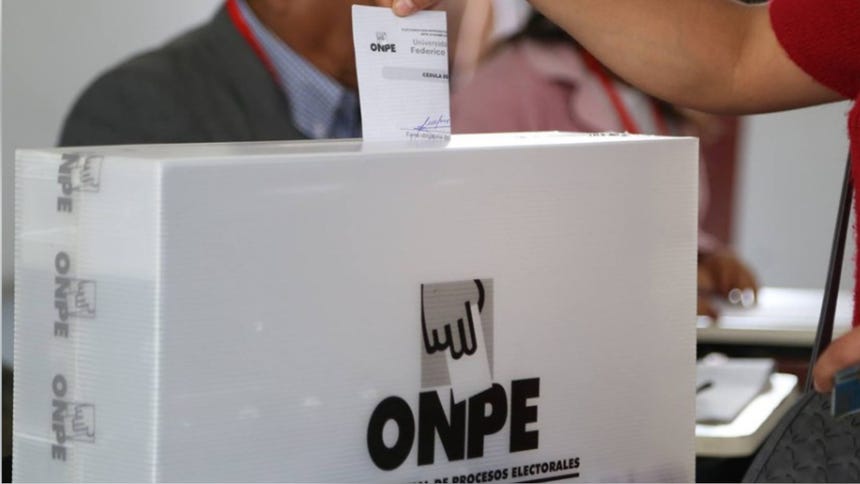
Arias emphasized that because no new lottery for polling station members was conducted for the second round, those who served in the first round—or were initially selected—retain the legal obligation to fulfill their duties on June 7. "There is no excuse for those who served in the first round to assume their task is complete," Arias noted, underscoring that the integrity of the second round relies heavily on the presence of these appointed officials.
Chronology of the 2026 Electoral Process
The road to the 2026 presidency has been a rigorous one. To understand the current climate, one must look at the timeline of the electoral calendar:
- The Initial Selection: Months before the first round, the ONPE conducted the mandatory lottery to select citizens for polling station duties.
- The First Round: Held earlier this year, this event served as the initial test for voter participation and logistical deployment.
- The Pre-Second Round Window: Following the official confirmation of the two candidates reaching the runoff, the ONPE launched an intensive verification campaign.
- The Current Phase: As of early June, the focus has shifted entirely to "last-mile" logistics—confirming voter locations and ensuring that polling stations are fully staffed.
- The Second Round (June 7): The definitive date for the final decision of the electorate.
- Post-Election (The Dispensa Window): Following the election, citizens who were unable to vote due to force majeure will have a specific window to request a waiver (dispensa) from the Jurado Nacional de Elecciones (JNE).
The Hidden Consequences: Beyond the Fine
While the monetary values of the fines are explicitly stated, the administrative repercussions of failing to pay are often misunderstood. Rafael Arias warned that while these debts do not accrue interest over time, they do not simply vanish.
Restrictions on Civil and Professional Life
A persistent debt with the electoral authorities acts as a "blocker" in the Peruvian administrative system. Citizens with unpaid fines may face the following complications:
- Banking Limitations: Many financial institutions may restrict access to certain services or credit lines for individuals with outstanding state-imposed sanctions.
- Employment Hurdles: Perhaps most significantly, individuals with unpaid electoral fines are prohibited from signing contracts for employment or professional services with the State. This is a critical factor for contractors and public servants.
- Legal/Administrative Delays: Any attempt to update civil documents or process certain government requests may be paused until the debt is satisfied at the Banco de la Nación.
Official Responses and Procedures for Dispensas
A common point of confusion for voters is the process of seeking a dispensa (waiver). The ONPE has clarified that the period for requesting justifications for not voting in the first round has concluded.
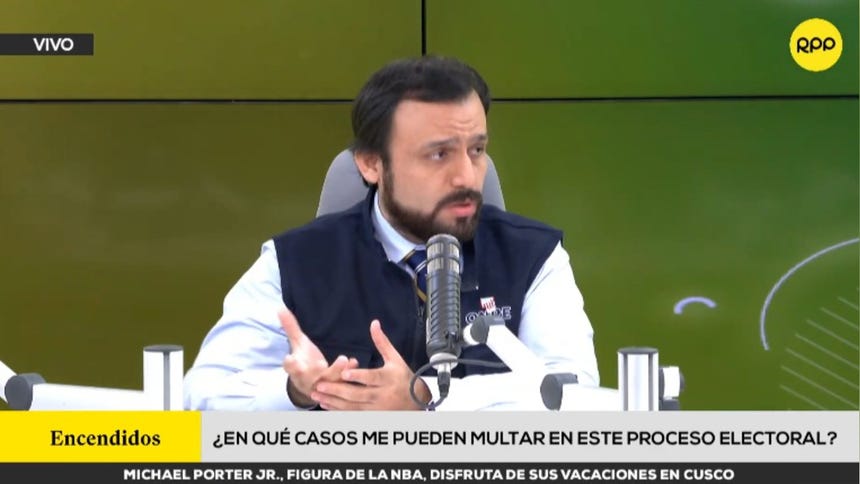
For the upcoming June 7 election, the process is as follows:
- Post-Election Processing: Any request for a waiver must be filed after the election.
- The Role of the JNE: The Jurado Nacional de Elecciones (JNE) is the sole authority responsible for reviewing and approving these requests. They assess the validity of the documentation provided (such as medical certificates, travel records, or proof of theft of documents).
- Evaluation Criteria: The JNE applies strict standards. A valid dispensa is only granted under circumstances of force majeure that made it physically impossible for the citizen to reach their designated polling station.
Logistical Challenges: Why You Must Check Your Local de Votación
Perhaps the most urgent warning issued by the ONPE involves the location of polling stations. Due to security assessments conducted by the Peruvian Armed Forces and the National Police, several locations used in the first round have been decommissioned for the second.
Security Concerns and Re-location
The authorities have prioritized venues that offer robust security, specifically those with clear perimeter fencing and controlled access points. As a result, a significant portion of the electorate has been reassigned to new schools or public facilities.
"We urge every citizen, regardless of whether they voted in the same place for the first round, to visit the official ONPE portal," Arias stated. Relying on habit is a recipe for error. The website, along with the official mobile applications, allows users to input their DNI number to see their precise location and their número de orden (order number), which helps speed up the check-in process at the table.
The Importance of an Informed Vote
The JNE has continued its campaign to promote an "informed vote," stressing that the second round is the final opportunity for citizens to shape the future of the nation. Beyond the logistics of fines and locations, the electoral bodies are reminding the public that voting is a collective exercise in democratic health.
By staying informed, verifying voting locations early, and understanding the legal weight of their duties, citizens contribute to a more efficient and transparent electoral process. The message from the authorities is clear: the cost of negligence is not just monetary, but a hindrance to the individual’s ability to interact fully with the state.
As Peru prepares for the final showdown at the ballot box, the focus remains on civic responsibility. Whether it is by ensuring one is not a "debtor" to the state or by simply arriving at the correct school on Sunday, the participation of the citizenry is the cornerstone upon which the stability of the 2026 transition rests.
Citizens are encouraged to visit the ONPE website frequently in the final 48 hours leading up to the election to confirm that no last-minute logistical changes have occurred, ensuring that their voice is heard when it matters most.